By Kazeem Waris
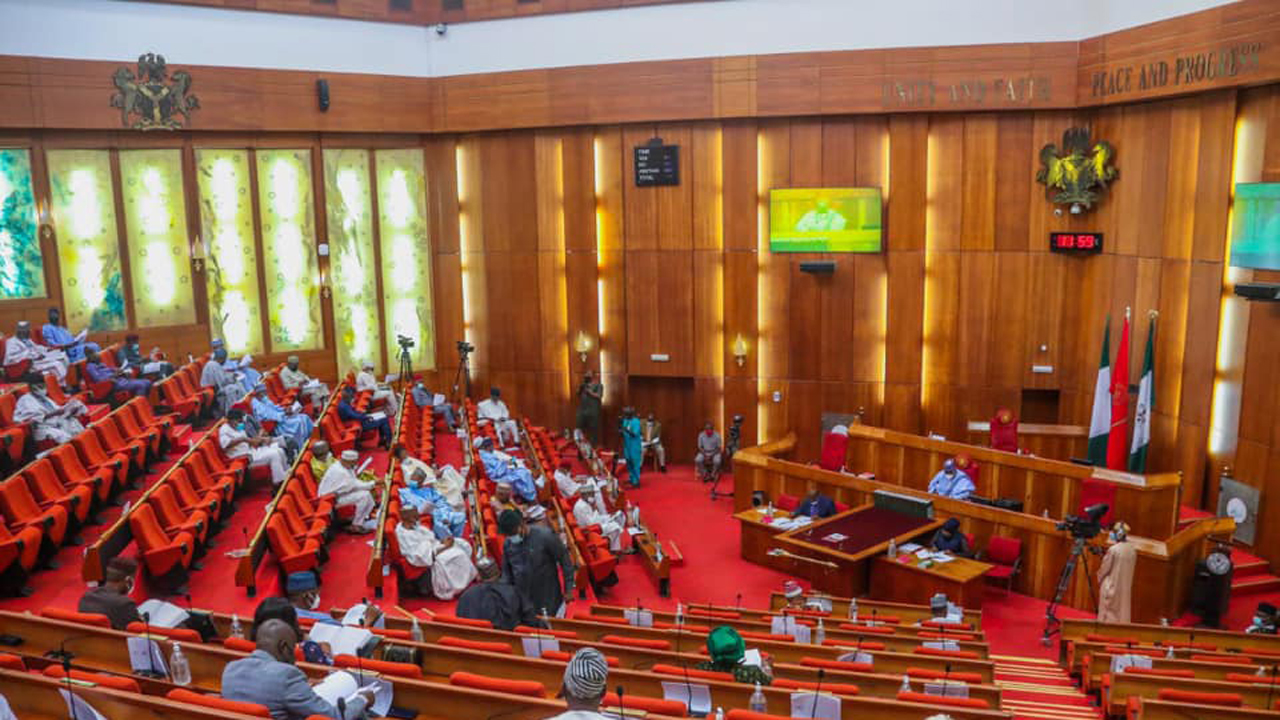
The National Assembly has suspended all official visits to South Africa and ordered a boycott of South African-hosted or organized legislative activities over continuing reports of xenophobic attacks targeting Nigerians and other African nationals in the country.
The decision, which takes immediate effect and will remain in force until further notice, followed consultations between the leadership of the Senate and the House of Representatives.
The Clerk to the National Assembly, Kamoru Ogunlana, announced the resolution in a statement yesterday, saying the leadership was deeply concerned over reports of violence, intimidation, destruction of property and other forms of hostility against Nigerians and other African nationals resident in South Africa.
The National Assembly said it was particularly disturbed by reports that Nigerians had been killed, injured, displaced or forced to abandon their businesses, investments, homes and other properties following recurring attacks.
It said the decision became necessary after repeated appeals by the Nigerian government and other stakeholders to South African authorities to take decisive measures to protect Nigerians and other foreign nationals failed to halt reports of attacks.
“In view of these developments and following consultations between the Leadership of the Senate and the House of Representatives, the National Assembly has resolved to suspend all official visits to the Republic of South Africa and to boycott South African-hosted or South African-organised legislative activities and engagements until further notice,” Ogunlana said.
The boycott covers official visits by senators, members of the House of Representatives, National Assembly committees, officials and staff.
It also extends to conferences, seminars, workshops, parliamentary meetings, legislative exchanges and other programmes organised or hosted by South African legislative authorities.
The National Assembly said the suspension would apply to both physical and virtual participation in South African-hosted legislative programmes.
Ogunlana said the Clerk had been directed to communicate the resolution to senators, members of the House of Representatives, committees, departments, directorates, officials and staff for strict compliance.
The federal lawmakers, however, stressed that the decision was not intended to undermine the longstanding historical, diplomatic and people-to-people ties between Nigeria and South Africa.
Rather, they described the action as “a strong expression of concern over the safety, dignity and welfare of Nigerians living and conducting legitimate businesses in South Africa.”
The National Assembly called on the South African government to take urgent and concrete measures to protect Nigerians and other African nationals within its territory and prevent further xenophobic attacks.
It also demanded thorough investigations into reported incidents, the arrest of suspected perpetrators and the prosecution of those found culpable.
The lawmakers said attacks against Nigerians and other African nationals could no longer be treated with indifference, stressing that the safety and dignity of Nigerian citizens abroad remained a matter of national concern.
The National Assembly leadership further urged the Houses of Assembly in the 36 states to take note of the federal legislature’s decision and consider adopting similar measures.
The resolution marks a significant escalation in Nigeria’s institutional response to reports of xenophobic violence in South Africa, coming amid renewed concerns over the safety of Nigerians living and doing business in the country.
The National Assembly said it would continue to monitor developments concerning the safety and welfare of Nigerians in South Africa and review the suspension as circumstances warrant.