By Kazeem Waris
The Nasarawa State Government says its annual budget will be based on inputs from citizens through needs assessment to ensure that no segment of society is left behind and that their interests are protected in the development of the state.
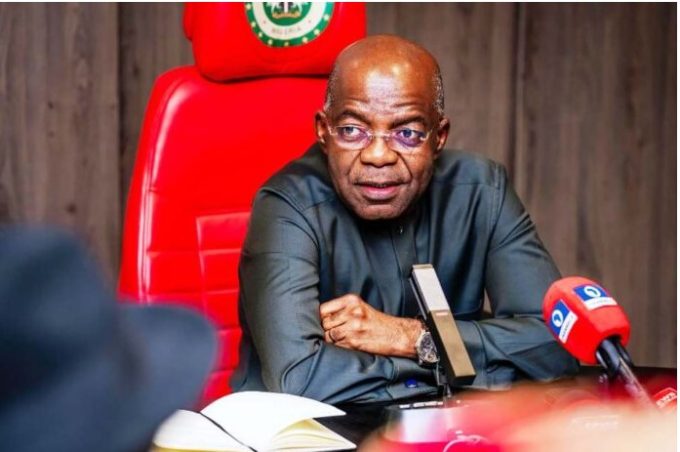
The Commissioner for Budget and Economic Planning, Hon. Ahmed Yakubu Muhammad, disclosed this during a citizens’ town hall engagement aimed at strengthening citizens’ participation and accountability in the budget process.
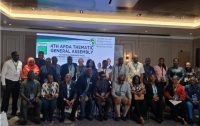
The engagement, which took place at the Nasarawa State Investment Development Agency (NASIDA) Hall, Shandam Road, Lafia, on Thursday, brought together citizens and representatives of various groups across the state.
The commissioner said the government had provided platforms through which citizens could send their inputs to the budget office, where such contributions would be assessed and prioritised based on needs, wants and available resources.
He said, “We’ve given a QR code, we’ve set up a website, whereby people can advise us, people can give suggestions on ‘these are the areas that government needs to put its own interest and give its own attention to.’ So it’s not just stopping here. It’s going to be a continuous process.”
“As the name implies, it is called a citizens’ budget. The reason why we are doing this is because we want to get input from all the citizens of Nasarawa State from different groups in society: from women, from youth, from people living with disability, all sorts of groups, market women, from the farmers, and so on and so forth,” he stated.
According to him, the era where people stayed in their offices and produced budgets for citizens was over, as the budget would now be made up of inputs from different segments of society.
He added that citizens’ recommendations would be attended to and reviewed in another budget cycle if they could not be exhaustively executed within a particular budgetary year.
The commissioner further disclosed that the town hall engagement was not just another routine meeting or an event to mark the calendar, but a demonstration of the government’s commitment to citizen participation, transparency, accountability and inclusive governance in the budget process.
“Indeed, the theme for this year: Strengthening Citizen Participation, Transparency, and Accountability in the Budget Process, speaks directly to our collective responsibility to ensure that the citizens are adequately informed, meaningfully engaged, and able to contribute to decisions concerning the allocation and utilisation of public funds,” he said.
The commissioner added that when citizens participate in the budgeting process, they are not just discussing figures, but helping the government understand the human needs behind those figures and ensuring that public resources are directed towards genuine priorities.
He, however, said that since the inception of the citizen budget engagement in Nasarawa State, significant progress had been made in ensuring that budgeting was no longer perceived as a purely top-down affair, but was steadily being transformed into a more transparent and participatory process where the voices, needs and aspirations of citizens could contribute to government planning, budgeting and implementation.
“I am proud to say that this approach is yielding positive results. During the 2025 citizen engagement, several of the projects and interventions suggested by citizens were not only acknowledged, but have subsequently been implemented or are ongoing,” he recalled.
He stated that the construction and rehabilitation of roads in rural communities, provision of potable water, agricultural support, educational infrastructure and health facilities were among interventions carried out based on priorities identified by citizens.
He commended citizens drawn from the 13 Local Government Areas, civil society organisations, community-based organisations, faith-based organisations, non-governmental organisations, market women, farmers’ associations, the media, youths, people living with disabilities and several communities for serving as the vital link between the government and the grassroots.