By Destiny Obinna
Family physicians have proposed a team-based model for managing Nigeria’s primary healthcare centres, urging governments to deploy specialist family doctors to supervise clusters of facilities rather than require a resident physician in every centre.
The proposal comes amid concerns that the exclusion of family physicians from primary healthcare leadership is contributing to fragmented treatment, delayed diagnoses, rising medical costs and pressure on secondary and tertiary hospitals.
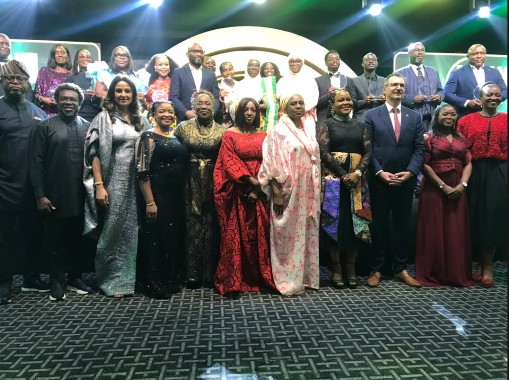
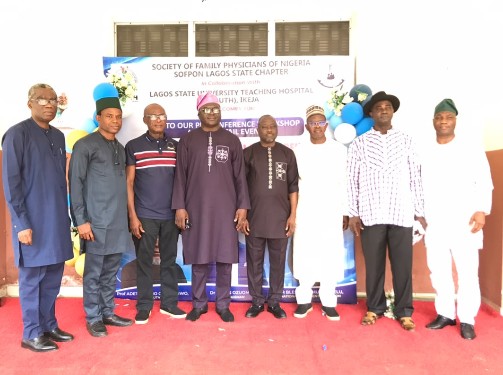
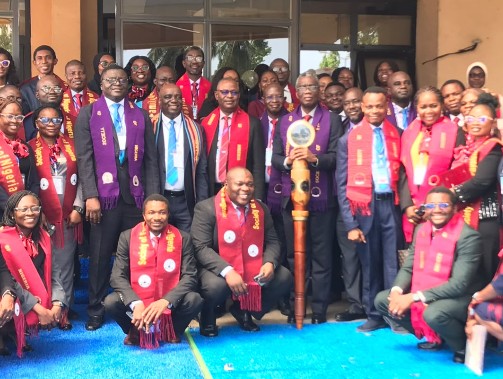
The call was made at the 29th Annual General Scientific Meeting (AGSM) of the Society of Family Physicians of Nigeria (SOFPON), held in Lagos on November 20, 2026, with the theme, “Primary Healthcare Without Family Physicians: Can Nigeria Afford the Gap?”
Representing SOFPON National President, Dr. Blessing Chukwukelu, Dr. Ibrahim Yakubu said Nigeria could not afford to operate primary healthcare without family physicians, either financially, clinically or ethically.
He warned that their exclusion would result in delayed diagnoses, fragmented treatment, increased out-of-pocket expenditure and preventable deaths.
Yakubu said Nigeria was battling a double burden of communicable diseases, including malaria and tuberculosis, and rising non-communicable diseases such as hypertension, diabetes, heart disease and cancer.
He explained that patients with multiple health conditions were often compelled to visit different specialist clinics, leading to repeated investigations, conflicting medical advice and increased financial burdens.
According to him, “family physicians provide comprehensive, person centered and continuous care by treating patients within the context of their families and communities.”
Delivering the keynote address, Mr. Sunday Udoh said Nigeria’s primary healthcare challenge was not necessarily the absence of policies but the failure to translate existing policies into effective services.
He cited the National Health Act 2014, the Basic Healthcare Provision Fund, the National Health Insurance Authority Act 2022 and the Primary Healthcare Under One Roof initiative as evidence of policy commitments to strengthening the health system.
However, he said weak implementation, inconsistent funding, inadequate infrastructure and unclear roles for physicians at the primary healthcare level continued to undermine service delivery.
Udoh noted that many primary healthcare facilities operated without physicians, leaving nurses, midwives and other health workers to provide services despite limitations in diagnostic and prescribing capacity.
He said this contributed to late diagnosis, poor management of chronic conditions, inadequate mental healthcare and weak referral systems, while patients who should ordinarily be treated at the primary level ended up in teaching hospitals.
He cautioned against the assumption that every primary healthcare centre must have a resident family physician, proposing instead that family doctors supervise clusters of centres within their areas of practice.
Under the model, family physicians would provide clinical oversight, train and mentor frontline health workers, establish treatment protocols and strengthen referral systems.
They would also support disease surveillance, quality improvement, maternal and newborn healthcare, community engagement and health insurance enrolment.
Udoh identified workforce migration, inadequate training opportunities, poor incentives and fragmented administrative structures as major obstacles to deploying family physicians across the country.

He said the proposed arrangement would improve the performance of existing facilities while making effective use of Nigeria’s limited specialist workforce.
In her remarks, the First Lady of Lagos State and Grand Matron of SOFPON, Mrs. Claudiana Sanwo-Olu, advocated a community-based deployment structure that would bring family physicians closer to residents.
She proposed deploying family physicians across Nigeria’s 774 local government areas and their wards to improve access to healthcare and promote early detection and management of diseases.
Sanwo-Olu said the family physician model practised in some foreign countries, where doctors maintain close relationships with residents in their communities, could be adapted to Nigeria.
She described family physicians as grassroots doctors who could identify health challenges early, monitor patients and prevent minor conditions from developing into more serious illnesses.
She also called for improved working conditions to address the migration of Nigerian healthcare professionals, urging stakeholders to develop local solutions to the country’s healthcare challenges.
Chairman of the Local Organising Committee and Chairperson of SOFPON Lagos, Dr. Sixtus Ozumba, said Nigeria could not afford to neglect family physicians in the planning, administration and delivery of primary healthcare.
He said family medicine was designed to provide comprehensive, preventive, curative and rehabilitative services to individuals, families and communities, irrespective of age, gender or the nature of their health conditions.
Ozumba stressed that family physicians were not in competition with other medical specialties but complemented their roles by coordinating patient care.
He said the increasing burden of diseases, coupled with the country’s dwindling health workforce, made it necessary to strengthen the role of family physicians to prevent overburdening existing healthcare personnel and compromising continuity of care.
“Why then are we neglecting the most important partner in primary healthcare policy and management? In my considered view, Nigeria cannot afford that gap,” he said.
Representing the Permanent Secretary of the Lagos State Health Service Commission, Dr. Femi Omololu, the Director of Medical Services, Dr. Olumide Shodire, described family physicians as the “handshake between every specialty” and the “masters of all” holding Nigeria’s health sector together.
Recalling his tenure as Medical Director across three general hospitals, Shodire said the posting of family physicians to any facility immediately transformed patient management and clinical coordination.
“I must commend Dr. Ibijoke Ajibola for fighting tirelessly over a decade ago to establish the family medicine residency programme in Lagos,” he said.
Speaking as Chairman of the occasion, the Medical Director of St. Nicholas Hospital, Dr. Dapo Majekodunmi, said the rise of artificial intelligence and online search tools had encouraged a culture of self-diagnosis, with patients seeking appointments directly with narrow subspecialists before consulting primary care doctors.
He said artificial intelligence would improve efficiency and outcomes in family medicine but insisted that technology could never replace a family doctor’s human discernment.
Majekodunmi stressed the importance of observing patients’ psychological state during consultations and engaging family members to gain a deeper understanding of their health conditions.
He urged stakeholders to invest in education and create an enabling environment to retain Nigeria’s youthful population, noting that roughly 50 per cent of the population was under 20.
“Whenever friends, family, or patients call me, requesting specific sub specialists, I directed them to first consult a family physician, who evaluates the whole person and makes appropriate referrals only when necessary,” he said.