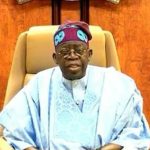
Nigeria has endured significant challenges: President Bola Tinubu acknowledged that the country’s 66-year journey has been marked by war, military rule, economic crises, insecurity and political upheaval, but said Nigerians have continued to demonstrate resilience.
He defended his administration’s economic reforms: Tinubu said the reforms introduced since 2023 were necessary to address long-standing weaknesses in the economy. He compared Nigeria’s situation when he assumed office to a cancer patient requiring painful but necessary treatment.
He rejected a return to fuel and energy subsidies: The President warned against proposals to restore what he described as “addictive subsidies,” arguing that such measures would amount to returning to policies that delayed difficult economic decisions.
Tinubu said the economy is showing signs of improvement: He cited economic growth of more than 4 per cent, lower inflation from its peak, reduced oil theft, rebuilt foreign reserves and greater stability in the foreign exchange market as evidence of progress.
He highlighted growth in non-oil exports: According to Tinubu, Nigeria recorded more than $6 billion in non-oil export revenue in 2025, which he described as the highest in the country’s history.
He declared a shift from reform to prosperity: Tinubu said the administration’s initial focus was correcting Nigeria’s economic direction, but that the priority must now move toward achieving “shared and widespread prosperity.”
Reducing the cost of living is a major priority: The President said his government would seek to lower production and transportation costs by investing in agriculture, irrigation, mechanisation, storage, roads, railways and ports, while improving the business environment.
Jobs and industrialisation will receive greater attention: Tinubu said the government would focus on creating productive employment, supporting industries, expanding digital connectivity, developing skills and providing Nigerian businesses with infrastructure and finance.
The government will expand social support for vulnerable Nigerians: He pointed to programmes including the National Social Register, Nigerian Education Loan Fund, CREDICORP, primary healthcare and basic education as measures intended to support poorer and vulnerable citizens while broader economic growth takes effect.
Tinubu said Nigeria has “crossed its Red Sea”: In his concluding message, the President said Nigeria had “corrected its course” and “passed through our own Red Sea.” He urged Nigerians not to look back but to move forward with faith and renewed hope, describing the “Promised Land” as a Nigeria of abundance, opportunity and broadly shared prosperity.