By Desire Uzochukwu
Africa’s drive to strengthen disease surveillance, epidemic preparedness and health security has received a fresh boost as the African Society for Laboratory Medicine (ASLM) and Roche Diagnostics renewed their partnership to strengthen diagnostic capacity and build sustainable laboratory systems across the continent.
The partnership comes ahead of the 7th Biennial Conference of ASLM, scheduled for December 8–11, 2026, in Cape Town, South Africa, where more than 1,500 delegates from over 40 countries are expected to deliberate on the future of integrated diagnostics and resilient healthcare systems.
The conference, tagged ASLM2026, will bring together ministers of health, public health institutions, scientists, laboratory experts, policymakers, development partners and private sector stakeholders to examine how stronger diagnostic systems can improve disease detection, outbreak response and patient outcomes.
Under the theme, “Integrated Diagnostics for Health Security: Investing in Sustainable Impact”, the conference will focus on early disease detection, epidemic preparedness, antimicrobial resistance, sustainable laboratory financing, workforce development, regional manufacturing, digital health and artificial intelligence.
The ASLM-Roche collaboration is designed to develop skilled laboratory leaders, promote the integration of testing for multiple diseases and strengthen diagnostic systems to respond to Africa’s changing healthcare needs.
Roche has worked with African Ministries of Health and other stakeholders to expand access to integrated healthcare services, including screening, early detection and care for cancer and non-communicable diseases.
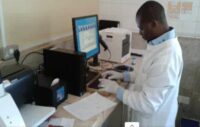
The company has also supported the establishment of more than 100 PCR testing laboratories across Sub-Saharan Africa, facilitating millions of HIV and early infant diagnosis tests, while strengthening laboratory infrastructure and the skills of thousands of laboratory professionals.
Speaking on the partnership, Chief Executive Officer of ASLM, Mr Nqobile Ndlovu, said stronger diagnostic systems were essential to the continent’s ability to anticipate and respond to health emergencies.

“Strengthening diagnostics is indispensable to Africa’s ability to anticipate, detect and respond to health crises whether endemic, epidemic or pandemic,” Ndlovu said.
He added: “At the same time, investing in integrated and resilient diagnostic systems is fundamental to improving patient outcomes, accelerating progress toward Universal Health Coverage, and strengthening health security across the continent.”
Similarly, Head of Roche Diagnostics, Africa, Dr Rishubh Gupta, said Africa needed diagnostic systems built around long-term investment, skilled personnel and sustainable infrastructure.
“Africa’s diagnostic systems need to be built for the long term, with the skills, infrastructure and resources to respond to changing healthcare needs,” Gupta said.
“Our partnership with ASLM is about strengthening local expertise, making better use of existing diagnostic technologies and helping countries build laboratory services that are sustainable, accessible and less dependent on external funding.”
ASLM, a pan-African organisation endorsed by the African Union, works with Africa CDC, Ministries of Health, international organisations and industry partners to improve laboratory services and systems.
Its priorities include developing a skilled laboratory workforce, expanding access to affordable and quality-assured diagnostics, strengthening national diagnostic services and advancing African leadership in laboratory medicine.
The Cape Town conference is expected to provide a platform for scientific exchange, policy dialogue and strategic partnerships aimed at ensuring that African countries can sustain diagnostic capacity beyond emergency funding cycles.
Through the renewed collaboration, ASLM and Roche Diagnostics hope to strengthen local expertise, expand access to reliable testing and build more resilient health systems capable of detecting and responding to emerging and existing health threats.