By Joyce Ekeh
The agitation for the creation of Anioma State should be treated as a collective demand that transcends partisan politics and the interests of individual politicians, public affairs commentator and national analyst, Maximus Progress, has said.
Progress made the position known in a statement issued on Saturday while reacting to renewed legislative efforts towards the creation of the proposed state.
He said the Anioma State campaign was not the project of any individual politician, stressing that the demand had been pursued by various groups and individuals over several years.
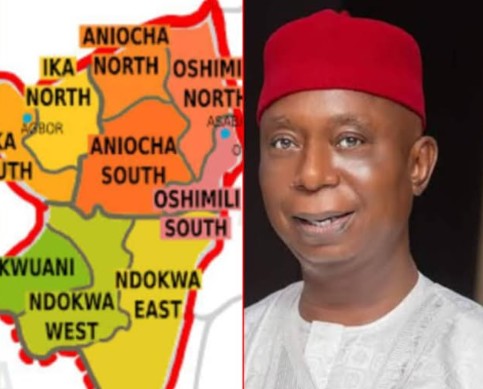
According to him, the renewed attention on the issue is partly linked to the involvement of Senator Ned Nwoko, representing Delta North, who has been advocating the creation of Anioma State as part of the ongoing constitutional amendment process.
Progress, however, said Nwoko’s involvement should be seen within the broader history of the agitation rather than as the origin of the movement.
He said the proposed state raised important questions about political representation, development, identity and access to opportunities, adding that the debate should therefore extend beyond the immediate political circumstances surrounding the current legislative process.

The analyst argued that state creation could potentially bring government closer to the people and provide an administrative structure through which communities could pursue their development priorities.
He, however, called for broad consultation and evidence-based discussion, noting that there could be differing perspectives even among people within the Anioma area.
Progress said traditional rulers, community leaders, professionals, youths, women, civil society organisations and residents should all have a voice in the conversation.
He cautioned against reducing the issue to the fortunes of any political party or individual, arguing that political offices and alliances could change while constitutional decisions on state creation would have consequences for generations.
On Nwoko’s role, Progress said acknowledging the senator’s contribution to the current legislative process should not amount to giving him ownership of the Anioma aspiration.
He described Nwoko as a current advocate of a cause that predates his emergence in the Senate, adding that successive generations of Anioma people had contributed to the campaign.
“The Anioma aspiration is bigger than any individual or political party,” he said, urging stakeholders to focus on the substance of the proposal rather than who ultimately receives political credit for the process.
Progress said the central issues should be what the creation of Anioma State would mean for development, political representation, effective governance and the future of generations to come.