By Joyce Ekeh
The Civil Society Legislative Advocacy Centre, CISLAC, has said Nigerians are bearing the brunt of economic corruption, bad governance and policy failures 66 years after independence, as the country continues to grapple with a severe cost-of-living crisis.
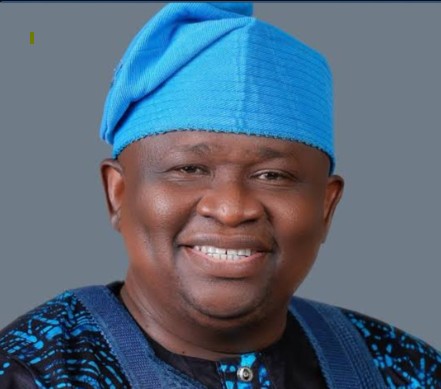
The Executive Director of CISLAC, Auwal Rafsanjani, stated this in an Independence Day message on Thursday, saying the economic growth recorded in the country had not translated into meaningful improvements in the lives of many Nigerians.
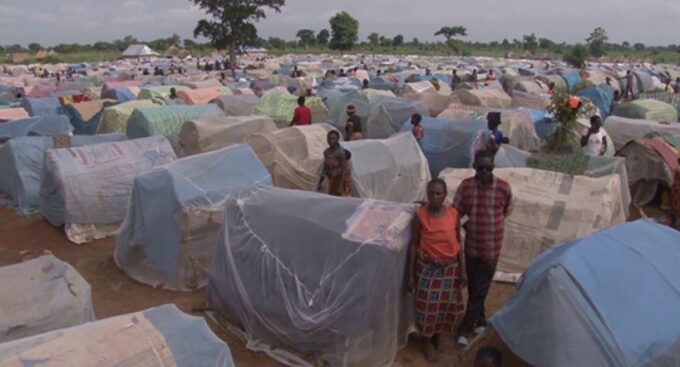
Rafsanjani said families were struggling with the rising cost of food, school fees, medical bills and transportation, arguing that the government must address the governance problems contributing to the hardship.
He said CISLAC took note of President Bola Tinubu’s declaration that reducing the cost of living was now a priority of his administration but stressed that the crisis could not be addressed without tackling corruption, waste, weak governance and dysfunctional public institutions.
“The President himself acknowledged that many families continue to struggle with the cost of food, school fees, medical bills and transportation. Nigerians therefore need more than another promise of prosperity; they need a government that confronts the governance failures that make everyday life unnecessarily expensive,” he said.
Rafsanjani described economic corruption as a “hidden tax” on Nigerians, saying the diversion or misuse of public resources ultimately affects the quality of essential services.
“When public contracts are compromised, public revenues leak through weak systems, patronage overrides value for money, and public resources fail to translate into reliable electricity, roads, healthcare, education, water and security, ordinary citizens ultimately pay the price,” he said.
He warned that Nigeria could not effectively tackle poverty while corruption, waste and institutional weaknesses continued to undermine public resources.
“Every Naira lost to corruption, inflated contracts, revenue leakages, abandoned projects and wasteful expenditure is money denied to citizens who desperately need functioning public services,” Rafsanjani said.
The CISLAC executive director also cautioned that economic reforms could impose severe pressure on citizens if they were poorly designed, inadequately sequenced or not accompanied by sufficient measures to cushion their impact.

“Economic reform cannot mean endless sacrifice by citizens while corruption, waste, inefficiency and excessive costs within government remain insufficiently addressed,” he said.
Rafsanjani said Nigerians should not continue to bear rising costs for fuel, electricity, transportation, food and other essential services while public institutions fail to demonstrate corresponding efficiency and accountability.
“You cannot tax people into prosperity, price the poor out of basic necessities and then present improved macroeconomic indicators as sufficient evidence of economic success,” he said.
He called on the Tinubu administration to make the fight against economic corruption and bad governance an integral part of its economic strategy.
“If President Tinubu is genuinely determined to reduce the cost of living, fighting economic corruption and bad governance must become an integral part of the country’s economic strategy,” Rafsanjani said.
He urged the government to block revenue leakages, improve procurement transparency, recover stolen public assets, sanction corruption, reduce wasteful expenditure and cut the cost of governance.
According to him, increased government revenues should translate into visible investments in public services capable of reducing the financial burden on households.
“Nigerians must be able to experience the benefits of reform through affordable food, transportation, electricity, healthcare and education, as well as stronger purchasing power,” he said.
Rafsanjani said the success of economic reforms should ultimately be measured by their impact on citizens rather than government revenue figures or macroeconomic indicators.
“The true measure of prosperity is not how much government collects, borrows or announces, but how much dignity, opportunity and economic security citizens experience,” he said.
He added that until corruption was reduced, institutions strengthened and public resources effectively deployed for citizens, Nigerians would continue to bear the consequences of governance failures.
“Until corruption is reduced, institutions begin to work and public resources genuinely serve the public, Nigerians will continue paying the price of bad governance in every market, every household and every business,” Rafsanjani said.