By Destiny Obinna
Nigeria has intensified its Ebola preparedness, mobilising 500 infection prevention and control (IPC) alumni and strengthening entry protocols as the country’s response to an imported case enters its fourth day.
The Day Four response included a morning review meeting involving the Minister of Health, the Nigeria Centre for Disease Control and Prevention (NCDC) and other stakeholders to assess ongoing activities and coordinate the next phase of the response.
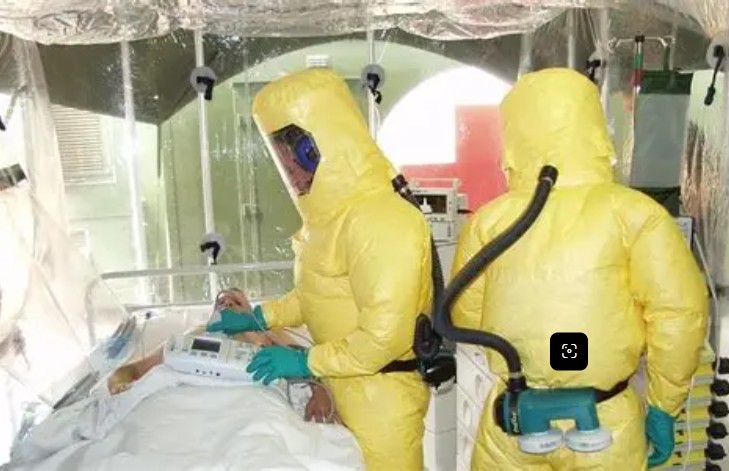
The measures are aimed at strengthening surveillance, improving infection prevention practices and ensuring that health facilities are prepared to identify and manage suspected infections.
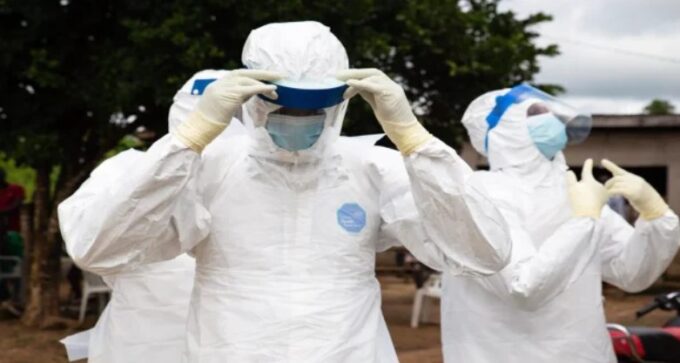
The mobilisation of 500 IPC alumni is a key component of efforts to reinforce infection prevention and control, particularly within healthcare settings where lapses in protective measures can expose health workers and patients to infection.
The response is also focusing on monitoring at points of entry and improving coordination among agencies involved in outbreak preparedness.
However, questions remain about the pace of contact tracing and the resources required to sustain containment efforts.
These challenges underscore the need for adequate personnel, essential supplies, effective coordination and timely information sharing as health authorities work to prevent further transmission.
Nigeria’s experience during the 2014 Ebola outbreak highlighted the value of rapid detection, effective surveillance, contact tracing and public cooperation.
The current response reinforces the importance of acting before an outbreak escalates, rather than waiting for infections to spread before strengthening protective measures.
Accurate public information is equally important. Clear communication can help build trust, encourage people to follow health guidance and ensure that suspected infections are reported without delay.
As the response continues, sustained collaboration between government agencies, healthcare professionals and communities will be essential to maintaining readiness and protecting public health.