By Destiny Obinna
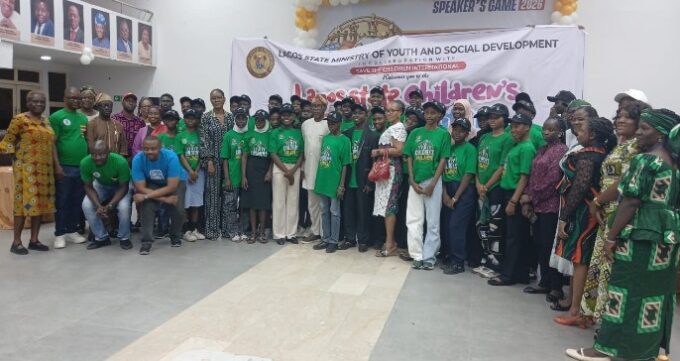
Lluvia Health Organisation, in partnership with the Sickle Cell Foundation, has launched a six-month psychosocial support programme at Gbagada General Hospital, Lagos, to address the emotional and psychological challenges faced by children living with sickle cell disease and their caregivers.
The initiative, established at the hospital’s Play and Psychosocial Hub, seeks to complement medical treatment with emotional support, resilience-building activities and practical coping skills for families affected by the condition.
Sickle cell disease remains a major public health challenge in Nigeria, where affected children may experience recurrent pain crises, hospital admissions, school absences and social stigma. Their caregivers also face emotional stress, financial pressure and the demands of long-term care.
The partner organisations said the programme was designed to address these challenges through a holistic approach that recognises both the physical and psychological effects of the disease.
The six-month initiative will provide parallel support sessions for caregivers and children aged six to 16, with activities tailored to the needs of each group.
Programme targets children and caregivers
The caregiver support sessions will focus on emotional isolation, caregiver burnout, feelings of guilt associated with genetic inheritance, family relationships, healthcare self-advocacy and the development of long-term support networks.
The programme will use a peer-support model to encourage caregivers to share experiences, learn practical coping strategies and build relationships with others facing similar challenges.
For children, the therapeutic play sessions will be organised into two age groups: six to 11 and 12 to 16.
Activities will include guided play, emotional awareness exercises, peer interaction and resilience-building exercises aimed at helping participants develop persistence, emotional regulation, adaptability and the confidence to ask for help when necessary.
The organisers said the approach would encourage children to become more active participants in managing the everyday challenges associated with sickle cell disease.
Hospital receives medical equipment
Alongside the psychosocial intervention, Lluvia Health Organisation donated vein finders and stadiometers to Gbagada General Hospital to strengthen clinical care for patients.
The vein finders are expected to help healthcare professionals locate veins more easily during medical procedures, potentially reducing repeated needle attempts and associated discomfort for patients experiencing pain crises.
The stadiometers will support accurate measurement of children’s height, helping healthcare workers monitor physical growth and development during routine care.
The donation is intended to complement the psychosocial programme by supporting both the clinical and emotional needs of children living with the condition.
Flexible support for participating families
To improve access and participation, the organisers are introducing visual and audio take-home materials suited to different literacy levels.
A hybrid delivery model will also be used to make sessions more accessible to participating families, while trained personnel will facilitate caregiver discussions and therapeutic play activities for the children.
Through the six-month programme, the organisations aim to equip families with practical tools for managing the emotional demands of sickle cell disease, strengthening family support and encouraging children to develop greater confidence in navigating their healthcare needs.
Call for wider adoption of psychosocial care
Lluvia Health Organisation has called on healthcare institutions, development partners and policymakers to integrate mental health and psychosocial support into paediatric healthcare services.
The organisation also advocated the establishment of more Play and Psychosocial Hubs in hospitals across Nigeria to ensure that children living with chronic conditions and their caregivers receive support beyond medical treatment.
The initiative highlights the importance of treating sickle cell disease through a comprehensive approach that combines clinical management with emotional well-being, family support and age-appropriate interventions.