By Editor
Human papillomavirus (HPV) is one of the most common sexually transmitted infections worldwide, with most sexually active people likely to encounter the virus at some point in their lives. Although many HPV infections clear naturally through the body’s immune response, persistent infections caused by high-risk strains can lead to cervical, anal, penile, vaginal, vulvar and oropharyngeal cancers.
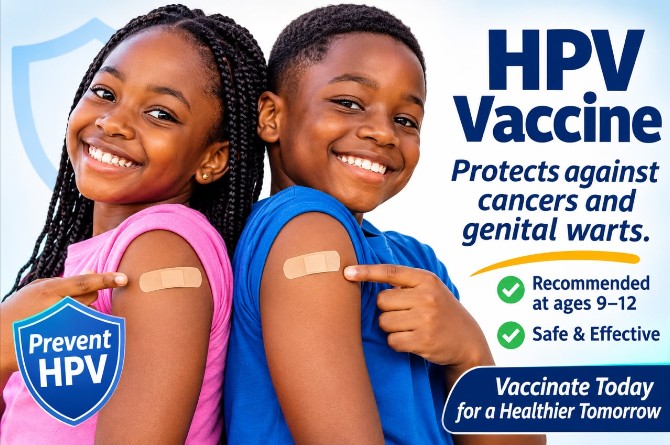
HPV vaccination offers an effective way to prevent infections caused by the major cancer-causing HPV strains and those responsible for genital warts.
Health experts recommend vaccination during childhood, preferably between ages 9 and 12, before potential exposure to the virus.
The vaccine is recommended for both boys and girls, as HPV-related diseases affect both sexes. Vaccination, alongside regular cervical cancer screening, remains an important strategy for reducing the burden of HPV-related diseases.
20 important facts about HPV vaccines
1. HPV is extremely common
About 80 per cent of sexually active people will acquire an HPV infection at some point in their lives. Most may never know they have been infected because the immune system often clears the virus without symptoms.
2. HPV spreads through sexual contact
HPV is a sexually transmitted infection that spreads mainly through intimate skin-to-skin contact, including vaginal, anal and oral sexual activity. Penetrative sex is not necessary for transmission.
3. There are about 40 sexually transmitted HPV types
Of the many HPV types, approximately 40 can infect the genital area. They are broadly classified into high-risk types, which can cause cancer, and low-risk types, which can cause genital warts.
4. Some HPV infections can cause cancer
Persistent infection with high-risk HPV types can cause cervical, vaginal, vulvar, penile, anal and oropharyngeal cancers. HPV is responsible for nearly all cases of cervical cancer.
5. HPV vaccination prevents cancer-causing infections
The vaccine protects against HPV types responsible for most HPV-related cancers. It is a preventive vaccine, not a treatment for an existing HPV infection or cancer.
6. Both boys and girls should receive the vaccine
HPV vaccination is not exclusively for girls. Boys also face the risk of HPV-related anal, penile and throat cancers. Vaccinating both sexes helps protect individuals and reduces transmission within communities.
7. The recommended vaccination age is 9 to 12 years
Vaccination is most effective when administered before exposure to HPV. Children can safely receive the vaccine from age nine, with routine vaccination generally recommended at ages 11 and 12 in the US guidelines supplied.
8. Adults can also benefit from vaccination
Catch-up vaccination is recommended through age 26 for those who have not completed the series. Some adults aged 27 to 45 may also benefit following discussions with their healthcare providers, depending on their potential future exposure to HPV.
9. Gardasil-9 offers protection against nine HPV types
Gardasil-9 protects against HPV types 6, 11, 16, 18, 31, 33, 45, 52 and 58. These include seven high-risk types associated with cancer and two low-risk types responsible for most genital warts.
10. HPV-16 and HPV-18 cause most cervical cancers
These two high-risk HPV types are responsible for approximately 70 per cent of cervical cancer cases worldwide. They are also associated with anal and other HPV-related cancers.
11. HPV-6 and HPV-11 cause most genital warts
These two low-risk HPV types account for approximately 90 per cent of genital warts. Although they do not cause cancer, genital warts can be uncomfortable, recurrent and contagious.
12. The vaccine works by stimulating the immune system
HPV vaccines contain virus-like particles, not live HPV. They stimulate the immune system to produce antibodies that help prevent infection when an individual encounters the virus.
13. The number of doses depends on the age at first vaccination
Under the US schedule provided, children who begin vaccination before their 15th birthday generally require two doses, six to 12 months apart. Those starting at age 15 or older require three doses. People with weakened immune systems require three doses.
14. HPV vaccines are generally safe
The vaccines have undergone extensive testing and safety monitoring. They are considered safe and effective, with most reported side effects being mild and temporary.
15. Common side effects are usually mild
These include pain, redness or swelling at the injection site, headache, tiredness, fever, nausea and muscle or joint pain. Dizziness or fainting may also occur, particularly among adolescents, which is why recipients are usually observed briefly after vaccination.
16. HPV vaccination provides long-lasting protection
Studies have demonstrated sustained protection for at least 10 years for earlier HPV vaccines, with no evidence of significant waning protection during the periods studied. Current evidence has not established a routine need for booster doses.
17. Vaccination has reduced HPV infections significantly
Countries with established vaccination programmes have recorded substantial reductions in vaccine-targeted HPV infections, genital warts and precancerous cervical lesions, particularly among younger populations.
18. Previously infected people may still benefit
People who have already had an HPV infection may still benefit from vaccination because exposure to one HPV type does not mean they have encountered all the types covered by the vaccine. However, the vaccine cannot clear an existing infection.
19. Vaccinated women still need cervical cancer screening
HPV vaccines do not protect against every cancer-causing HPV type. Women who have been vaccinated must continue recommended cervical cancer screening, including HPV testing or Pap tests, depending on national guidelines.
20. Vaccination is an important tool for eliminating cervical cancer
The World Health Organization’s global strategy to eliminate cervical cancer identifies HPV vaccination, cervical screening and treatment of precancerous lesions and invasive cancers as three essential interventions. Widespread vaccination can significantly reduce future cervical cancer cases and deaths.
Who should not receive the HPV vaccine?
Although HPV vaccination is recommended for most eligible people, certain precautions apply:
* People who have experienced a severe allergic reaction to a previous dose or a vaccine component should not receive another dose without specialist assessment.
* HPV vaccination is generally deferred during pregnancy, although inadvertent vaccination during pregnancy is not considered a reason for alarm.
* People with moderate or severe acute illness may need to postpone vaccination until they recover.
* People with weakened immune systems should follow the recommended three-dose schedule.
Experts say: HPV vaccination is one of the most effective preventive interventions against cervical cancer and several other HPV-related cancers. Its greatest benefit comes when children are vaccinated before they become sexually active and are exposed to the virus.
Parents, healthcare professionals, schools and governments therefore have important roles in improving awareness, addressing misinformation and ensuring that eligible children have access to the vaccine.
Vaccinating both boys and girls is not simply about preventing an infection; it is about preventing cancers, saving lives and protecting future generations.