By Desire Uzochukwu
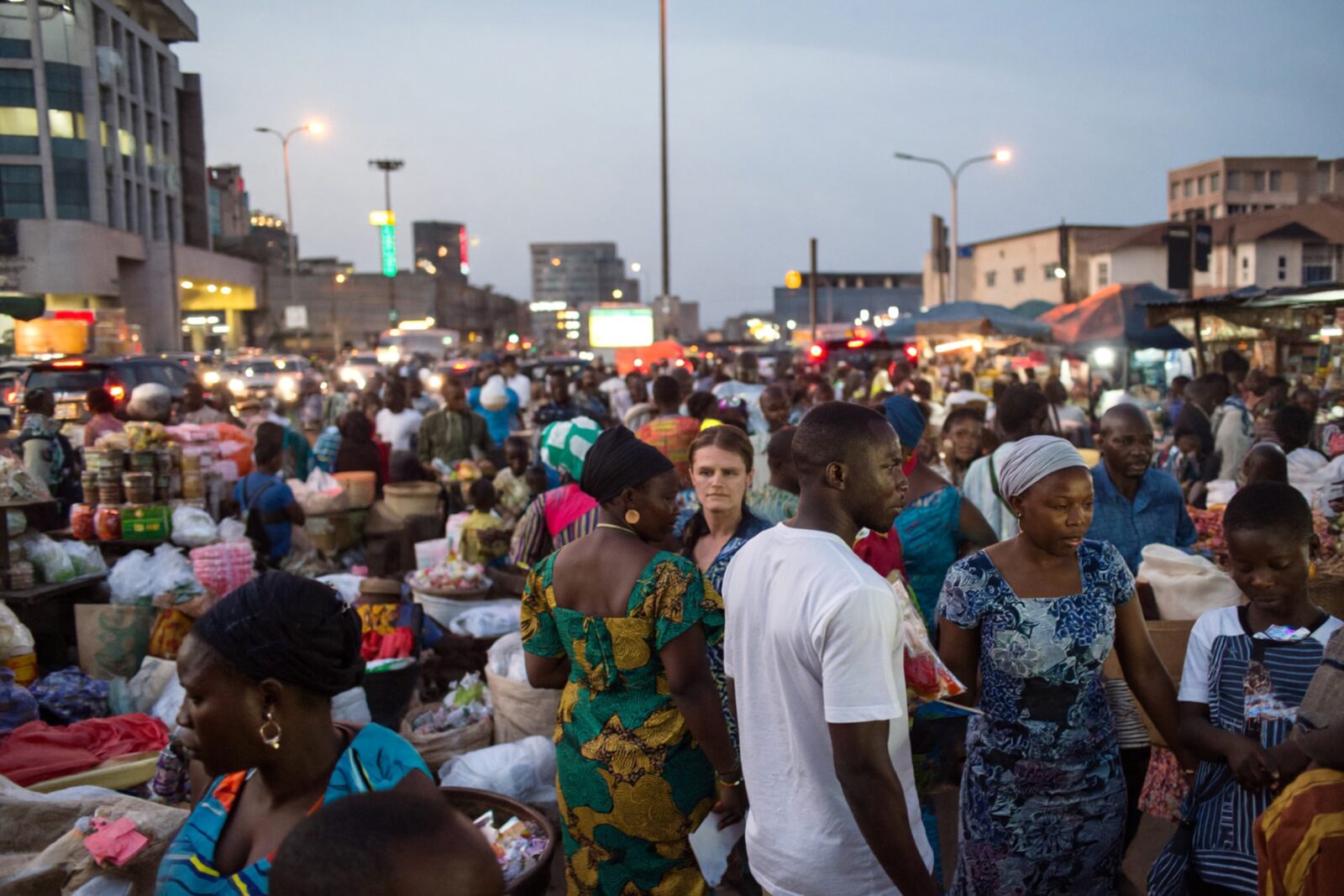
Nigeria’s population has surged to an estimated 244.3 million, nearly six times its size 70 years ago, raising fresh concerns about the country’s capacity to provide healthcare, jobs, housing and other essential services for its rapidly expanding population.
Despite a gradual decline in the average number of children born to women over the decades, the country’s population has continued to grow, highlighting the challenge of translating falling fertility into slower demographic expansion.
Data from Worldometer show that Nigeria’s population increased from approximately 41 million in 1955 to 244,292,365 in 2026, meaning the country added more than 203 million people within seven decades.
Figures from Macrotrends show that the average number of children per woman declined from 6.36 in 1960 to 4.94 in 2025, although the fertility rate remains relatively high.
The figures reveal that Nigeria’s fertility rate initially increased from 6.36 children per woman in 1960 to a peak of 6.85 in 1980 before embarking on a gradual decline.
It dropped to 6.46 in 1990, 6.12 in 2000 and 5.95 in 2010. The decline became more pronounced in subsequent years, falling from 5.50 in 2015 to 4.70 in 2020 and 4.48 in 2023.
However, the figures recorded an increase to 5.01 in 2024 before declining slightly to 4.94 in 2025.
The contrasting trends underscore the complexity of Nigeria’s demographic transition. Although women are having fewer children on average than previous generations, population growth remains high.
One major factor is population momentum, whereby a large population of young people entering their reproductive years sustains population expansion even as average fertility declines.
Nigeria’s population trajectory shows the scale of the challenge. From about 45 million in 1960, the population rose to 73.8 million in 1980, crossed 100 million in the early 1990s and reached 126.4 million in 2000.
It subsequently increased to 145 million in 2005, 166.6 million in 2010, 190.7 million in 2015 and nearly 214 million in 2020.
By 2025, the population had reached 237.5 million, before rising to the latest estimate of more than 244 million.
For the health sector, the implications are particularly significant. A growing population translates into increasing demand for maternal and child healthcare, immunisation, family planning, reproductive health services, hospitals, medical personnel and essential medicines.
The persistently high fertility rate also means that millions of women will continue to require antenatal care, skilled birth attendance, emergency obstetric services and postnatal care.
Without corresponding investments in health infrastructure and workforce development, the demographic expansion could further widen existing gaps in access to essential healthcare, particularly for women, children and vulnerable populations.
The figures also reinforce the importance of voluntary family planning and reproductive healthcare. Expanding access to reliable contraceptive information, affordable services and quality reproductive healthcare would enable individuals and couples to make informed decisions about the timing and number of children they wish to have.
Beyond healthcare, the country’s population expansion is increasing pressure on schools, housing, food supply, water, sanitation, transportation and employment opportunities.
Urban centres are also facing growing demands for affordable accommodation and public infrastructure, while millions of young Nigerians entering the labour market require decent jobs and opportunities to become economically productive.
Nigeria’s expanding population could provide a substantial demographic advantage if supported by investments in education, healthcare, skills development and economic opportunities.
But without sustained investment in these critical sectors, population growth could deepen pressure on already stretched public services.
The central challenge is therefore not simply how rapidly Nigeria’s population is growing, but whether the country’s economic and social infrastructure can expand quickly enough to meet the needs of its people