By John Attah
The Benue State Government has appealed to 15 newly qualified medical doctors of the state origin to return home and help address the shortage of healthcare personnel, particularly in rural and underserved communities.
The government said the return of the young doctors would strengthen healthcare delivery, improve access to medical services and reduce the pressure on existing health workers across the state’s 23 Local Government Areas.
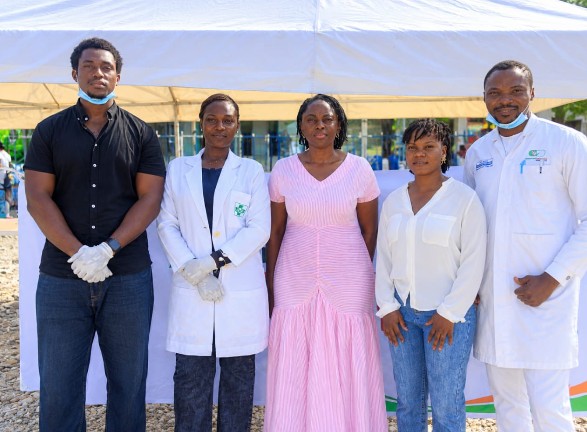
The Commissioner for Health and Human Services, Dr. Paul Ogwuche, made the appeal during the induction and oath-taking ceremony of newly qualified medical doctors at the University of Jos, held at the Jos University Teaching Hospital (JUTH), Plateau State.
A statement by Bernard Okpe, media aide to the commissioner, said 67 medical graduates were formally inducted after completing their Bachelor of Medicine and Bachelor of Surgery (MBBS) programme and final qualifying examinations. Of the number, 15, representing about 22.4 per cent, were indigenes of Benue State.
Represented by the Director of Medical Laboratory Services in the ministry, Mr. Boniface Anyebe, Ogwuche conveyed Governor Hyacinth Alia’s goodwill message to the graduates, expressing delight at the number of Benue indigenes among them.
He said the Alia administration was committed to repositioning the state’s healthcare sector through investment in human resources, improved welfare for health workers and equitable distribution of medical personnel across the 23 local government areas.
The commissioner highlighted government efforts to improve workers’ welfare through prompt salary payments, clearance of inherited arrears and measures to restore dignity to public service.
Addressing concerns over the state’s Medical Doctors’ Bond Programme, Ogwuche explained that the initiative was designed to address the persistent shortage of doctors and the challenge of brain drain.
He said: “The initiative was introduced as a strategic intervention to tackle the shortage of doctors and the persistent challenge of brain drain, with the ultimate goal of ensuring that residents across the state have access to medical services.”
He stressed that the bond scheme was neither punitive nor intended to restrict the professional ambitions of young doctors, describing it instead as a partnership between the government and its young professionals.
According to him, the programme provides beneficiaries with an opportunity to give back to the society that contributed to their education and professional development.
Ogwuche urged the graduates to embrace rural postings, insisting that serving underserved communities should be seen as an opportunity to make meaningful contributions rather than a setback to their careers.
To illustrate the urgent need for medical personnel, he highlighted the plight of a pregnant woman in Guma requiring emergency obstetric care, a child battling severe malaria in Logo and an accident victim in Oju whose survival could depend on the timely intervention of a qualified doctor.
“The presence of competent medical personnel in underserved communities can make the difference between life and death,” he said.
Drawing from his experience as an alumnus of the University of Jos, the commissioner appealed directly to the graduates to return to the state.
“Consider returning to Benue because your professional expertise is urgently needed to strengthen healthcare delivery, particularly in rural and underserved communities,” he urged.
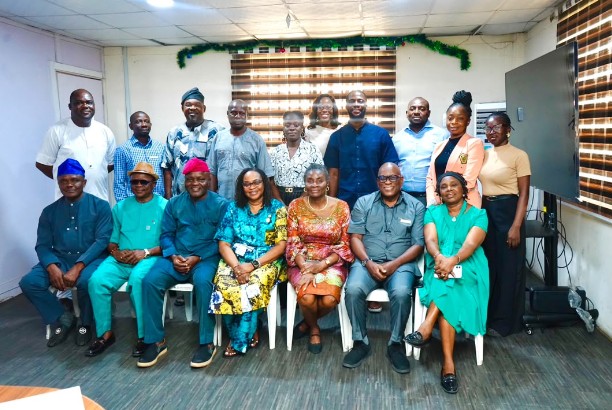
In a related development, Ogwuche held an interactive session with the executive leadership of the Benue Medical Students Association (BEMSA), where issues surrounding the benefits, expectations and implementation of the Medical Doctors’ Bond Scheme were discussed.
The meeting also provided an opportunity for medical students to raise concerns about the programme and the challenges facing prospective beneficiaries, while the commissioner offered clarifications on the government’s position.
He reaffirmed the administration’s commitment to improving healthcare workers’ welfare and providing an enabling environment for medical professionals to practise, develop their careers and contribute to the state’s development.