By Destiny Obinna
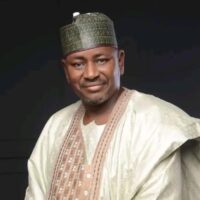
Nigeria must urgently develop the scientific expertise, laboratory infrastructure and research capacity required to produce its own vaccines and respond effectively to emerging infectious diseases, Chancellor of Ekiti State University, Dr. Tunji Olowolafe, has said.
Olowolafe, who is also Chairman of the 2026 Nigerian Institute of Medical Research (NIMR) Annual International Science Week Conference, said the country could no longer afford to depend heavily on foreign expertise and facilities to address its public health challenges.
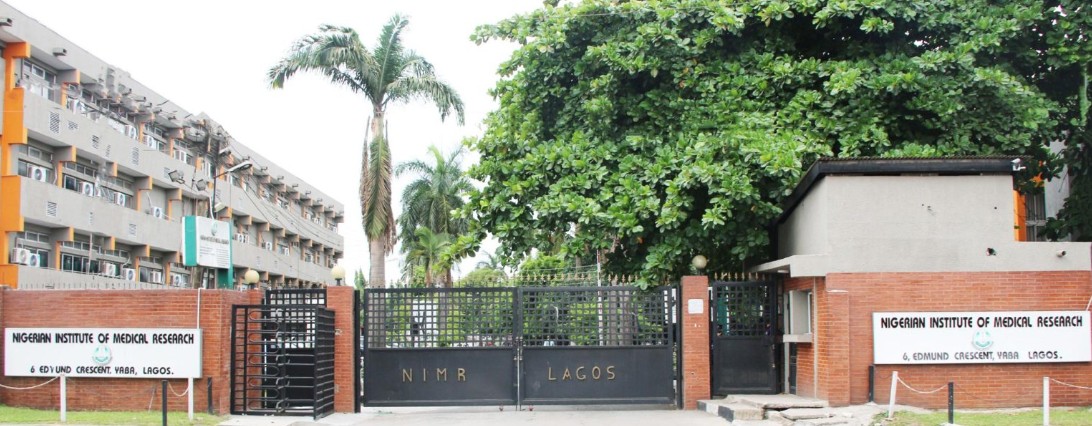
He spoke at the opening ceremony of the conference in Lagos, where he called for increased investment in medical research and stronger collaboration among government, research institutions, universities and the private sector.
Speaking on the theme, “Health Research in the Era of Advanced Technology”, Olowolafe said Nigeria should have developed the laboratories, scientific expertise and infrastructure needed to investigate emerging diseases and respond to public health emergencies with speed and confidence.
He commended NIMR for its contributions during the Ebola crisis and COVID-19 pandemic, describing the institute as a critical national institution in generating scientific knowledge and evidence to strengthen healthcare delivery.
He stressed that Nigeria’s ambition to expand local production of medicines and vaccines must be backed by strong research institutions capable of generating the scientific evidence required to support such initiatives.
Olowolafe noted that rapid technological developments were transforming healthcare, with artificial intelligence, robotics, genomic technologies and digital health platforms creating new opportunities for disease prevention, diagnosis and treatment.
He expressed optimism that the conference would provide a platform for researchers and other stakeholders to exchange knowledge, develop practical solutions and establish partnerships capable of strengthening Nigeria’s research capacity.
Also speaking, Director-General of NIMR, Prof. John Obafunwa, called for increased investment in research infrastructure, warning that inadequate funding was limiting Nigeria’s ability to take full advantage of emerging technologies.
Obafunwa disclosed that financial constraints had prevented the institute from establishing a major laboratory complex planned for 2025, highlighting the funding challenges confronting medical research institutions.
He further revealed that Nigeria still sends too many biological samples abroad for sequencing, underscoring the urgent need to strengthen local laboratory capacity and develop the specialised workforce required to operate advanced research facilities.
The NIMR boss described health data generated from Nigerian patients and biological samples as a national asset that must be ethically collected, securely managed and deployed for the benefit of the population.
He acknowledged the growing role of artificial intelligence in healthcare, particularly in interpreting medical images, detecting diseases and supporting clinical decisions, but warned that technology alone could not deliver meaningful results without skilled personnel and reliable infrastructure.
Obafunwa urged researchers to ensure that scientific findings translated into practical solutions for patients, while calling on government and policymakers to sustain investment in research infrastructure and health data systems.
In the keynote address, the Chief Medical Director of Lagos State University Teaching Hospital, Prof. Adetokunbo Fabanwo, represented by Prof. Adebowale Adekoya, said the value of health research should be measured by its impact on patients rather than the number of scientific publications produced.
He said advances in technology were creating opportunities for early diagnosis, personalised treatment, precision surgery, improved disease surveillance and better prediction of clinical outcomes.
However, he cautioned that such innovations must be clinically validated and made safe, affordable and accessible before they could be integrated into routine healthcare.
Adekoya identified inadequate funding, poor infrastructure, shortage of skilled personnel, high technology costs and weak institutional collaboration as major obstacles preventing scientific discoveries from reaching patients.
He advocated dedicated funding for implementation research, stronger partnerships among universities, teaching hospitals and industries, as well as the establishment of translational research centres within teaching hospitals.
The conference features scientific sessions covering public health and oral health, clinical sciences, biomedical innovations and basic sciences, bringing together researchers, clinicians, policymakers, postgraduate students and early-career scientists.
The event is expected to generate discussions on how Nigeria can harness technological advances to strengthen medical research, improve healthcare delivery and develop locally relevant solutions to its health challenges.