By Blessing Elo Oghene
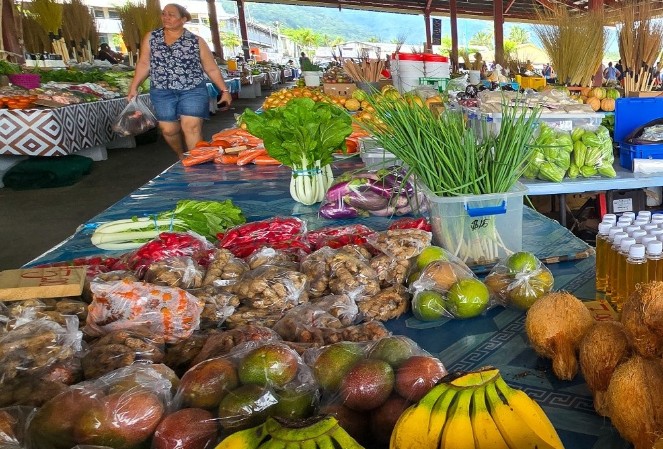
A nutrition expert has warned that healthy eating is becoming increasingly unaffordable for low-income Nigerians, with an adult needing about two-thirds of the N70,000 monthly minimum wage to maintain a healthy diet.
Professor of Human Nutrition at Michael Okpara University of Agriculture, Umudike (MOUAU), Abia State, Chinyere Akúdo Echendu, attributed the worsening situation to rising food prices, poverty and an increasingly unhealthy food environment.
Echendu disclosed this during the university’s 77th inaugural lecture titled, “Nutrition: Eating to Live in a Demanding Food Environment.”
She revealed that the cheapest healthy diet cost N1,589 per adult daily as of April 2026, amounting to a significant portion of the monthly minimum wage.
According to her, feeding a family of five healthily would cost more than three times the minimum wage.
“In such an environment, eating to live is not a slogan but a daily struggle,” she lamented.
The professor warned that Nigeria was battling multiple forms of malnutrition, including undernutrition, micronutrient deficiencies, overweight, obesity and diet-related diseases such as hypertension and diabetes.
She explained that the crisis extended beyond individual food choices, identifying poverty, food insecurity, inadequate maternal education, poor sanitation, limited access to healthcare, insecurity, climate change and unsafe agricultural practices as major contributing factors.
Echendu also identified the growing consumption of cheap, processed and energy-dense foods with little nutritional value, alongside cultural practices that deny women and children access to nutritious meals.
She stressed that addressing malnutrition required more than educating people about healthy eating, insisting that nutritious food must also be affordable, accessible and safe.
The nutrition expert advised households to prioritise locally available and seasonal foods while adopting effective meal planning, budgeting, food storage and preparation practices.
She recommended that half of every meal should consist of fruits and vegetables, while a quarter should contain whole grains or starchy staples and the remaining quarter protein, with minimal use of cooking oil.
Echendu encouraged Nigerians to combine cereals and legumes, including rice and beans, maize and pigeon pea, as well as acha and groundnut, to obtain affordable and quality protein.
She further recommended fish, eggs and lean meat whenever affordable, particularly for children, pregnant women and breastfeeding mothers.
The professor called for the abolition of cultural and food taboos that prevent women and children from consuming nutritious foods such as eggs, meat, fish and snails.
She also advocated nutrition education, meal planning, food budgeting and food safety training in schools and antenatal clinics.
On infant feeding, she emphasised the importance of exclusive breastfeeding during the first six months of life and continued breastfeeding up to two years.
Echendu urged the government to make food affordability a national priority and review the minimum wage in line with the rising cost of a healthy diet.
She called for targeted social protection programmes for vulnerable households, agricultural input support for smallholder farmers and improved security in farming communities to enable displaced farmers to return to their farmlands.
The nutrition expert also urged the National Agency for Food and Drug Administration and Control (NAFDAC), the Standards Organisation of Nigeria (SON) and relevant state agencies to strengthen enforcement against food adulteration, unsafe pesticide use, excessive preservatives and the use of calcium carbide to ripen fruits.
She recommended routine food testing, front-of-pack warning labels, restrictions on marketing unhealthy foods to children and stricter enforcement of salt-reduction standards in processed foods.
Addressing MOUAU specifically, Echendu urged the university to establish a healthier food environment through the provision of safe drinking water, hygienic food vendors subjected to regular microbial checks and breastfeeding facilities for staff.
She further called for increased research into indigenous foods, particularly their nutrient composition, glycaemic index, bioavailability and shelf life.
According to her, partnerships with small businesses would also help expand the production of nutritious cereal-legume products.
The professor advocated regular health and nutrition seminars on campus to improve awareness of non-communicable diseases, their risk factors, warning signs and management.
She maintained that tackling malnutrition required collective efforts from households, communities, institutions, researchers and government, warning that individual dietary choices alone could not overcome an unhealthy food environment.
Earlier, the Vice Chancellor of the university, Professor Ngozi Akanwa, represented by Prof. Asawalam, stressed the need for Nigerians to embrace farming.
Akanwa reaffirmed the university’s commitment to driving agricultural revolution through research aimed at boosting food production.