By Desire Uzochukwu
The Nigeria Centre for Disease Control and Prevention, NCDC, has warned Nigerians against complacency over the country’s cholera outbreak, saying more than 65,000 suspected cases have been recorded across 35 states and about 195 Local Government Areas this year.
Although weekly infections have dropped significantly from the peak recorded earlier in the season, the agency warned that cholera transmission remains active and could rise again between late August and October, amid continued rainfall and the risk of flooding.
NCDC Director-General, Dr Jide Idris, who disclosed this during a press briefing on Friday, said the decline in cases and deaths was encouraging but should not lead to a relaxation of preventive measures.
“Cholera transmission is ongoing. We must therefore consolidate the gains made so far and prevent another rise in cases,” Idris said.
He explained that flooding remained a major threat because it could contaminate water sources and overwhelm sanitation systems, particularly in vulnerable communities.
According to him, one of the major lessons from the outbreak is the importance of taking treatment closer to affected populations.
He said Borno State, which has recorded the majority of this year’s cases, had recorded better outcomes where treatment was brought closer to communities and patients sought care early.
But Idris stressed that treatment alone could not end cholera transmission.
“While treatment saves lives, we cannot treat our way out of cholera,” he warned.
He said NCDC response teams continued to identify unsafe water, open defecation, damaged water distribution systems and inadequate sanitation and hygiene infrastructure in schools, markets and other public institutions as major drivers of transmission.
“Until these underlying conditions are addressed, communities will remain vulnerable to repeated outbreaks,” he said.
Diphtheria cases exceed 10,000
On diphtheria, the NCDC boss disclosed that Nigeria had recorded more than 10,000 confirmed cases this year.
Although the case fatality rate has declined considerably compared with the same period last year, he said the continued high number of infections remained a concern.
Kano, Borno and Bauchi are among the states with the highest concentration of confirmed cases.
Idris identified low vaccination coverage as a major factor behind the continuing transmission, particularly among children who are unvaccinated or have missed recommended doses.
“The central issue is that too many children remain unvaccinated or incompletely vaccinated,” he said.
He listed vaccine hesitancy, insecurity, displacement, population movement and difficulties reaching hard-to-reach communities among the factors hampering vaccination efforts.
Idris stressed that diphtheria is vaccine-preventable, urging parents and caregivers to ensure that children receive all recommended doses.
NCDC intensifies response
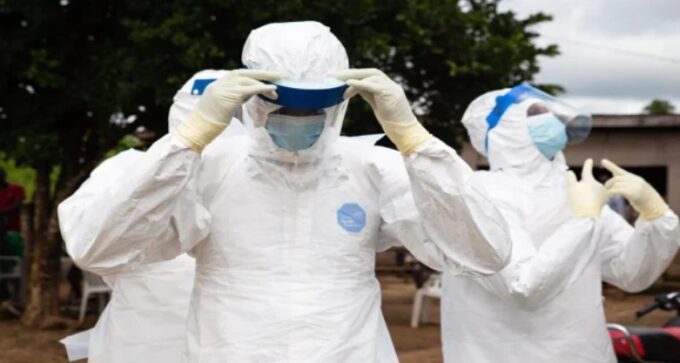
The NCDC said it is coordinating the response to both outbreaks with state governments and partners through strengthened surveillance, laboratory services, case management, infection prevention and control and community engagement.
National Rapid Response Teams have also been deployed to affected states to support investigations and response activities.
For cholera, interventions include investigation of transmission sources, water-quality assessment, chlorination, rehabilitation of water sources, hygiene promotion and oral cholera vaccination in high-burden communities.
In Borno, NCDC teams have assessed water supply points to identify gaps in water quality, sanitation and chlorination.
In Bauchi, oral rehydration points have been established, treatment capacity strengthened and active case search intensified.
For diphtheria, reactive vaccination is being conducted in affected communities, while case detection, treatment and provision of essential laboratory and treatment commodities are being strengthened.
However, Idris said federal intervention alone would not be enough to end the outbreaks.
“Many of the interventions that will make the greatest difference must happen in our states, Local Government Areas, health facilities, communities and homes,” he said.
He called on state and local governments to direct resources towards high-risk communities and strengthen access to safe water, sanitation, treatment facilities and rapid-response capacity.
He also urged governments to strengthen routine and targeted immunisation, identify communities with low vaccination coverage and reach children who have missed their routine doses.
NCDC’s warning to Nigerians
The agency advised healthcare workers to maintain a high index of suspicion for both diseases, report suspected cases promptly and adhere strictly to infection prevention and control measures.
For cholera, Nigerians were urged to use safe drinking water, practise proper sanitation and regular handwashing, avoid open defecation and ensure food is properly prepared and protected from contamination.
Anyone who develops frequent watery diarrhoea, with or without vomiting, should begin oral rehydration solution immediately and seek medical attention without delay.
Parents and caregivers were urged to take children who have missed any recommended diphtheria vaccine dose to the nearest health facility.
The NCDC also appealed to traditional and religious leaders, community organisations and the media to counter misinformation and promote preventive measures and early care-seeking.
Idris said: “If we act early, sustain the response and work together, we can prevent infections, save lives and bring these outbreaks under control.”