By Desire Uzochukwu
The Dammyla Care Foundation has called for a more inclusive approach to substance abuse, urging stakeholders to move beyond stigma and support affected persons with access to healthcare, counselling and rehabilitation.
Founder of the foundation, Miss Damilola Dosunmu, made the call during a free medical and humanitarian outreach organised for residents of an underserved community in Lagos.
Miss Dosunmu said many people struggling with substance abuse had been “stigmatized, forgotten and judged”, making it difficult for them to seek help and reintegrate into society.
“At Dammyla Care Foundation, we believe in inclusion and reaching out to these people so that we can rehabilitate them and bring them back into society so that they can make an impact,” she said.
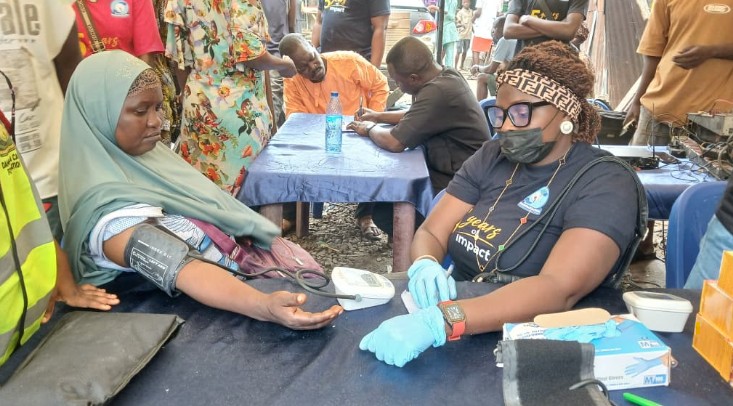
She said the foundation had screened more than 100 people during the outreach, providing medical checks, medications, health counselling and food to beneficiaries.
According to Dosunmu, the organisation also identifies people willing to undergo rehabilitation for substance abuse and seeks to support their treatment.
“We want them to know the dangers of substance abuse and also help the ones that are willing to go into rehabilitation so that they can be safe from all of this addiction,” she said.
Dosunmu disclosed that the foundation had reached more than 5,000 people over the past five years through various humanitarian interventions, including free medical outreaches, health education, welfare support, educational materials and programmes in correctional facilities.
She said the organisation had also provided five free prosthetic limbs to children living with limb loss, aged between three and 10, as part of activities marking its fifth anniversary.
As a Prosthetist and Orthotist, Dosunmu said her professional experience working with people living with disabilities and other vulnerable populations influenced her decision to establish the foundation.
“I realised that there was a need to do more beyond my professional responsibilities. I wanted to use my knowledge, resources and connections to positively impact lives and give people hope,” she said.
“For me, humanitarian service is not just about giving. It is about showing people that they matter, restoring hope, promoting dignity and making a meaningful difference in their lives.”
She, however, appealed to corporate organisations and other stakeholders to support the foundation’s programmes, saying funding remained a major constraint.
“We are seeking collaboration, sponsorship and help from companies so that we can reach out to more people and be able to do more,” Dosunmu said.
Also speaking, a medical doctor and Senior Registrar at the National Orthopaedic Hospital, Igbobi, Lagos, Dr Shoneye Olumide Patrick, said the outreach was designed to provide basic healthcare while improving awareness of preventable health conditions and substance abuse.
He said the medical team screened beneficiaries for conditions including elevated blood pressure and blood sugar and provided counselling and referrals where necessary.
“One of the issues we have with substance abuse is the lack of grassroots awareness,” Patrick said.

“A lot of them don’t know the impact of drugs or substance abuse on them. They don’t know that it can damage their kidneys. It can damage their liver.”
He said people identified as potentially struggling with substance abuse could be referred to a clinical psychologist for further assessment and follow-up.
Patrick also identified reluctance to visit hospitals, concerns about cost and perceived delays at health facilities as barriers to healthcare access in underserved communities.
He advised residents to seek medical attention early rather than relying exclusively on patent medicine vendors when symptoms develop.
A Principal Nursing Officer, Nurse Funmi Adeniji, said elevated blood pressure was among the common health concerns identified during the outreach.
“The most common one I’ve seen today is hypertension. Very elevated ones,” she said.
Adeniji said some beneficiaries were unaware that they had elevated blood pressure until they were screened.
She identified inadequate healthcare infrastructure, shortage of health personnel, long waiting times and financial constraints as some of the barriers that discourage people from seeking care.
She added that peer influence and the environment in which people live could also contribute to substance abuse and other unhealthy behaviours.
Beneficiaries requiring further medical attention, she said, would be referred to appropriate health facilities, with the outreach team planning follow-up where possible.
Speaking to Inisghtwirenews, one beneficiary, Oluwasesan Bamaya, said the outreach had given him access to healthcare that he might otherwise have been unable to afford.
“They give me my BP, they check me. Then, they direct me to the doctor,” he said.
Bamaya, who also reported difficulty seeing clearly, was referred for further eye assessment.
Another beneficiary, Mrs Omolara Adisa, said she sought care for headache, malaria symptoms and leg pain. “They answered me, they gave me medicine, then they gave us food,” she said.
Adisa said financial constraints often forced people to seek treatment from patent medicine vendors instead of hospitals.
“Many people cannot go to the hospital. They always go to the chemist to buy medicine,” she said.
The Dammyla Care Foundation said it plans to expand its interventions to more underserved communities, correctional facilities and vulnerable populations, while continuing its work in community health education, substance abuse awareness and support for children living with limb loss.
The Foundation can be reached through Phone/WhatsApp number: 08181851287
Email: dammylacarefoundation@gmail.com Instagram & TikTok: @dammylacarefoundation