By Joyce Ekeh
Nigeria is battling a significant diphtheria outbreak, with more than 10,000 confirmed cases recorded in 2026, while Kano, Borno and Bauchi remain among the states with the highest concentration of cases. Katsina and Plateau have also recorded rising alerts.
The outbreak continues to pose the greatest threat to unvaccinated and partially vaccinated children, particularly those aged two to 14 years.
According to the Nigeria Centre for Disease Control and Prevention (NCDC), low routine immunisation coverage and delays in seeking medical care are among the factors sustaining transmission.
What is diphtheria?
Diphtheria is a serious and potentially fatal bacterial infection that usually affects the throat and upper airways. It can make breathing difficult and, in severe cases, cause complications affecting the heart and nervous system.
Signs and symptoms
Early symptoms may resemble a common throat infection. They include:
Sore throat and pain when swallowing
Fever and chills
Weakness and fatigue
Hoarseness
Cough
Fast or difficult breathing
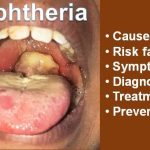
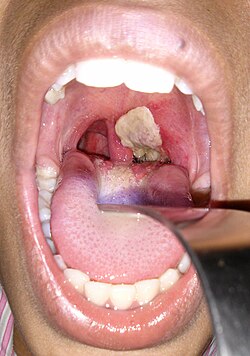
A major warning sign is a thick grey or white membrane that develops over the throat or tonsils. This membrane can obstruct the airway and make breathing difficult.
Severe cases may also cause swelling of the neck, sometimes described as a “bull neck,” due to enlarged lymph nodes and surrounding tissue.
Who is most at risk?
Children who have not received their routine childhood vaccinations or have received incomplete doses are particularly vulnerable.
The risk is higher in communities where routine immunisation coverage is low, creating pockets of children who have little or no protection against the disease.
How Nigeria is responding
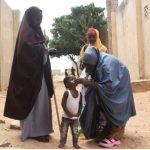
Federal and state health authorities have stepped up their response in affected and high-risk areas, including the deployment of emergency task forces, establishment of specialised isolation and treatment facilities, disease surveillance and mass vaccination campaigns.
However, sustained control of the outbreak will depend not only on emergency vaccination campaigns but also on strengthening routine immunisation, early detection and prompt treatment.
Can diphtheria be prevented?
Yes. Vaccination is the most effective protection against diphtheria.
Children receive protection through vaccines containing diphtheria toxoid, including the pentavalent vaccine and DTP-containing vaccines in Nigeria’s routine immunisation programme. Booster doses may also be recommended at later ages.
Parents and caregivers should ensure that children receive all recommended vaccines according to the national immunisation schedule.
What happens if someone develops symptoms?
Anyone with symptoms suggestive of diphtheria, particularly a sore throat accompanied by a thick membrane, neck swelling or difficulty breathing, should seek medical attention immediately.
Treatment may include antibiotics and diphtheria antitoxin (DAT). Early treatment is critical because diphtheria toxin can damage vital organs, including the heart and nervous system.
People suspected of having diphtheria should also avoid close contact with others until they have been medically assessed and cleared.
Diphtheria is preventable, but vaccination gaps can allow it to spread rapidly. Parents should check their children’s immunisation status, while anyone showing suspicious symptoms should seek care early rather than wait for the illness to become severe.