By Joyce Ekeh
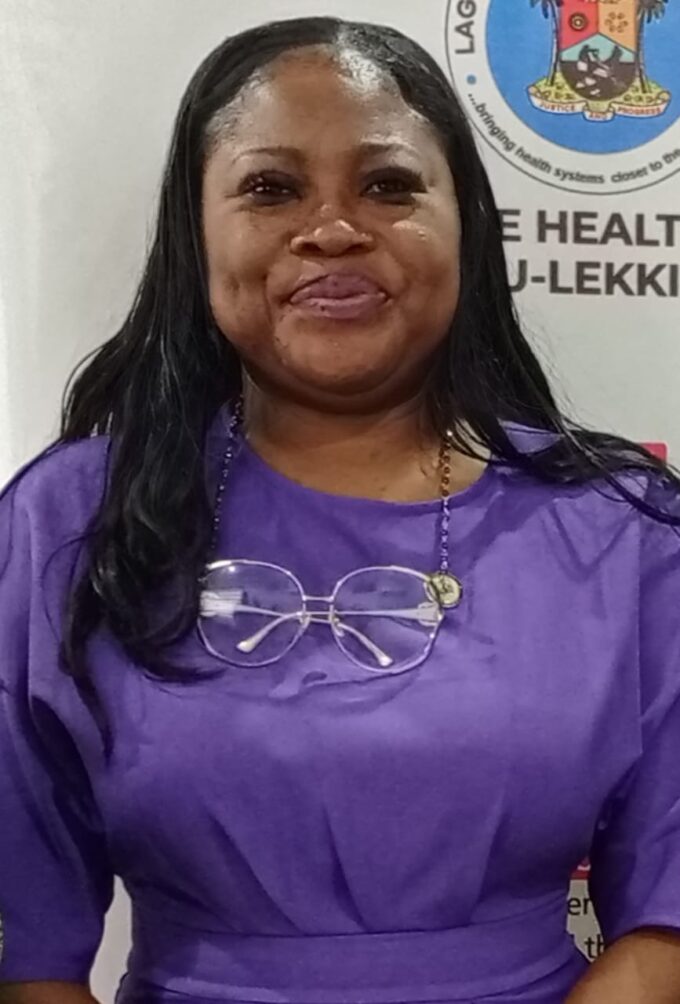
The Executive Secretary of the Lagos State Domestic and Sexual Violence Agency (DSVA), Mrs Titilola Vivour-Adeniyi, has warned families against protecting their reputation at the expense of children who have suffered sexual abuse, urging parents and guardians to prioritise the safety and wellbeing of survivors.
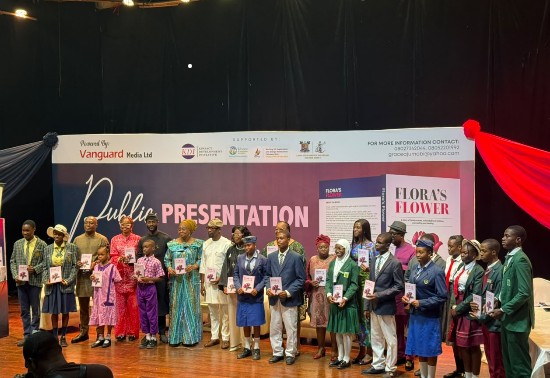
Vivour-Adeniyi gave the warning while reviewing Flora’s Flower, a book written by journalist and child rights advocate, Funmi Ajumobi, which explores the devastating consequences of child sexual abuse and the culture of silence that often allows perpetrators to escape accountability.
She noted that family pressure, stigma and fear of public embarrassment frequently discouraged parents and guardians from reporting abuse, leaving affected children vulnerable to further harm.
The book tells the story of Flora, a 16-year-old secondary school student who suffers abuse at the hands of people she knows and trusts. It examines how poor communication, silence and the failure of adults to respond appropriately can allow abuse to persist.
Vivour-Adeniyi stressed the need for parents to create safe and supportive environments where children could speak openly about their experiences without fear of blame, intimidation or rejection.
She also cautioned against excessive parental control that could isolate children from trusted adults who might recognise warning signs of abuse and help them access protection.
The review urged parents and guardians to take disclosures of abuse seriously, report suspected cases promptly and seek assistance from designated health facilities, trauma centres and relevant authorities.
On access to justice, it emphasised that prosecuting perpetrators, while essential, was not enough to address the harm suffered by survivors.
It called for comprehensive support, including counselling, medical care, psychosocial services and educational reintegration, to help affected children recover and rebuild their lives.
The review further advocated stronger collaboration among government agencies, law enforcement authorities, schools, healthcare providers and civil society organisations to strengthen child protection mechanisms and improve support services for survivors.
Schools were also urged to provide trained counsellors and establish clear channels through which children could safely report abuse.
Religious institutions and community leaders, meanwhile, were encouraged to challenge the stigma surrounding sexual abuse and promote an environment in which survivors could seek help without fear of discrimination or social rejection.
The review stressed that children must never be blamed for the actions of their abusers, insisting that protecting family reputation should never take precedence over a child’s safety, dignity and wellbeing.
Vivour-Adeniyi also recommended the use of Flora’s Flower in schools, parent forums, religious institutions and community outreach programmes as an educational tool to promote child protection awareness, encourage disclosure and strengthen efforts to combat sexual abuse.