By Kazeem Waris
Low voter turnout at several polling units in Sokoto South Local Government Area of Sokoto State during the Independent National Electoral Commission’s (INEC) mock election has raised concerns over public awareness and citizens’ preparedness for the forthcoming polls.
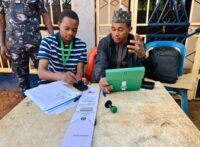
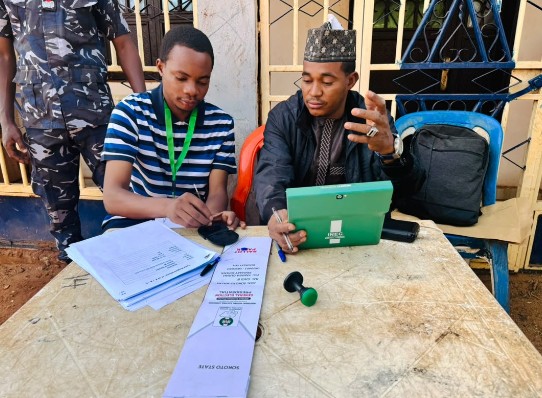
Findings by our correspondent showed that only a handful of eligible voters participated at some of the designated polling units, despite the presence of electoral officials and the deployment of voting materials and equipment.
The polling units visited included Gagi Tafida Aminu Model Primary School, Gagi (PU 001); Gidan Jariri Model Primary School (PU 033); and Sarkin Zamfara Nizzamiya Primary School (PU 005), where voter participation varied.
The low turnout at some locations prompted questions about the reach of INEC’s public sensitisation campaign and residents’ understanding of the importance of the mock exercise in testing the electoral process ahead of the actual elections.
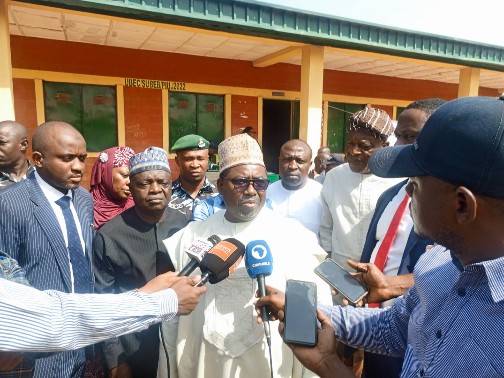
An election observer, Comrade Mokhtar Mabera, who spoke with journalists, attributed the poor participation largely to inadequate public enlightenment and the perception among some residents that the mock election was less important than the main polls.
He said INEC officials arrived early and were prepared for the exercise, but the expected number of voters failed to turn up, leaving some polling units largely deserted.
“The staff really came early, but the eligible voters are yet to show up, and the turnout, as I can see now, is very, very low,” Mabera said.
He expressed concern that many residents were unaware of the exercise, suggesting that information about it had not reached enough people.
“A lot of persons, when you ask them, they don’t even know. A lot of people tell us that they are not aware of the election,” he stated.
Mabera also suggested that the absence of political parties and familiar candidates, who usually attract voters during regular elections, might have contributed to the low interest, with some residents failing to appreciate the operational importance of the mock exercise.
However, participation was relatively better at Polling Unit 005, Sarkin Zamfara Nizzamiya Primary School, where another participant, Sanusi Muhammad, expressed satisfaction with the turnout and described the exercise as a positive step in the country’s electoral preparations.
Muhammad attributed the comparatively better participation to early sensitisation and mobilisation, saying residents had been informed about the exercise and its importance. “We have been told earlier, and we mobilised our people,” he said.
He commended INEC for its organisation, preparedness and treatment of participants, expressing confidence in the commission’s ability to conduct a credible and efficient election if it sustained the same commitment on election day.
“They are doing a good job because their setup is okay, and they welcome everybody. I don’t think they need to improve anything if they can perform like this, even on election day,” Muhammad said.
The mock election is intended to test INEC’s operational readiness, assess the functionality of its electoral equipment, evaluate the preparedness of personnel and identify possible challenges ahead of the actual polls.
The contrasting levels of participation recorded across the polling units highlight the need for sustained voter education, grassroots mobilisation and effective public communication to ensure that citizens understand the purpose of electoral tests and are adequately informed ahead of the elections.