By Desire Uzochukwu
The Lagos State Primary Health Care Board (LSPHCB) has urged journalists to move beyond event-based reporting and deploy credible health data to expose gaps, demand accountability and improve healthcare delivery across the state.
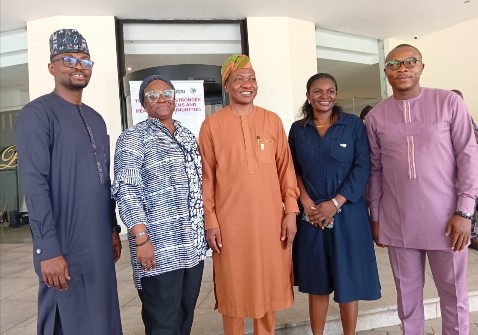
Permanent Secretary of the Board, Dr Ibrahim Mustafa, gave the charge at a two-day capacity-building workshop for health journalists organised by the International Society of Media in Public Health (ISMPH), in collaboration with the LSPHCB, EngenderHealth Consortium Partnership and Unified Health Media Network.
The workshop, themed “Strengthening Journalists’ Capacity to Interpret PHC Accountability Data and Produce Evidence-Based Accountability Stories”, focused on equipping journalists with skills to interpret primary healthcare data and turn findings into impactful accountability stories.
Mustafa described healthcare delivery as a “shared responsibility” involving government, the media and citizens, saying each had a critical role to play in ensuring that health facilities and services met the needs of the people.
According to him, while government was responsible for providing the enabling environment and infrastructure, journalists must disseminate evidence-based information, while citizens should take ownership of available infrastructure and demand accountability from public institutions.
He said: “The media is a critical partner in promoting transparency and accountability within the health sector, as their responsibilities extend beyond reporting events.
“By asking critical questions, verifying facts and producing accurate, evidence-based reports, journalists can shape public opinion, amplify citizens’ voices and strengthen trust between government institutions and the public.”
Mustafa disclosed that more than 345 primary healthcare centres were functional across Lagos State, stressing that stronger collaboration among government, media, citizens and other stakeholders was required to sustain accountability and improve service delivery.

He said effective health governance depended not only on the availability of credible data but also on the ability of journalists to analyse, interpret and communicate such information in ways that enabled citizens to make informed decisions.
Programme Manager, ISMPH, Mr Philip Muoneke, said the training was designed to strengthen journalists’ capacity to use available data to identify weaknesses and opportunities within the primary healthcare system.
Muoneke said the workshop was a follow-up to a media roundtable held in July 2026, adding that participants were being trained to interpret Primary Health Care Accountability Scorecards, Integrated Supportive Supervision findings, Primary Health Care Facility Assessment Tool reports, healthcare financing and budget accountability data.
He said: “This workshop aims to provide participants with practical skills to use available health data to identify key gaps, challenges, opportunities and performance areas within the health system.
“While translating these findings into compelling and impactful stories that can contribute to improved healthcare delivery across the state.”
Also speaking, Head of Monitoring and Evaluation, LSPHCB, Dr Bioye Amodu, emphasised the importance of accuracy in presenting health data, saying how information was presented could significantly influence public understanding and decision-making.
Amodu said the state’s primary healthcare system was recording improvements in several indicators, citing immunisation coverage of more than 92 per cent, postnatal care coverage of 60.1 per cent and 100 per cent delivery by skilled birth attendants.
She, however, stressed the need for journalists to understand the context behind figures before presenting them to the public.
The training featured goodwill messages from partner organisations, including the Society for Family Health, while participants received practical sessions on interpreting health sector data and producing evidence-based accountability reports.
The organisers said the ultimate objective was to strengthen transparency and accountability in the primary healthcare system and ensure that health reporting contributed directly to better services and outcomes for Lagos residents.