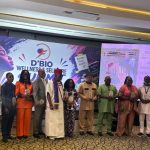
Dr Monica Hemben Eimunjeze is a pharmacist, regulatory expert, healthcare consultant and advocate for wellness and self-care. She is the convener of the D’Bio Wellness and Selfcare Summit and Chief Executive Officer of DeeDoo Bio Plus Pharmacare Limited.
She is a former Acting Director-General of the National Agency for Food and Drug Administration and Control (NAFDAC), where she served as Director of Drug Registration and Regulatory Affairs and Director of Drug Evaluation and Research. Before joining NAFDAC, she worked in the pharmaceutical industry, including as Quality Manager and Regulatory Affairs Manager at Glaxo Nigeria Limited.
Eimunjeze founded the D’Bio Wellness and Selfcare initiative to promote health literacy, empower individuals to take greater responsibility for their health and reduce pressure on healthcare systems. She is also Principal Consultant of Health Access Innovations Limited and an Executive in Residence at Lagos Business School. She co-hosts the Wellness Waves Undiluted podcast on self-care and wellness.
In this interview with InsightWireNG, Eimunjeze explains why self-care must become part of everyday life for Nigerians, the lifestyle habits undermining their health and why prevention is ultimately cheaper than waiting until illness becomes severe.
Excerpts:
What does wellness and self-care really mean, and why should Nigerians see it as more than simply eating healthy or exercising?
Self-care speaks to intentionality, consistency and involvement in improving health outcomes.
We must all grow in the realisation that we have a huge role to play in our health and wellness and that driving self-care has an impact.
We know that non-communicable diseases are at epidemic proportions — hypertension, diabetes and high cholesterol, among others. If we embrace a lifestyle that incorporates self-care, we will be able to intentionally do those things that improve our health.
Whether it is our nutrition and the food we eat, physical exercise, taking care of our mental health, or being intentional about the products and services that we embrace on this journey, they are all part of self-care.
With the pressures of work, economic challenges, family responsibilities and daily stress, why is wellness becoming increasingly important for Nigerians?
Self-care has more core elements and drivers, and increased consciousness and awareness of their negative impact will help us all strive to minimise and address them holistically.
How can Nigerians make wellness a realistic part of their everyday lives, even when they have limited time or financial resources?
Once we are deliberate and intentional about the choices we make, it is helpful.
Making sure we exercise or keep moving — taking walks daily — has no cost but has an impact. This should be embraced by all, with the intensity varying depending on your health status.
You have to be deliberate. You have to embrace those things that will help you. What you eat and how much you eat matter.
Are you limiting your carbohydrates? Are you eating more vegetables and natural products that will help you? If you have a non-communicable disease, for example, are you compliant with your medications?
That is all part of self-care. Are you compliant? Are you exercising? The impact of exercise and weight loss on some of these conditions has also been proven. So, you have to be very intentional.
Set goals for yourself. Achieve those goals and move on to different things because everybody is at a different point in their journey around self-care.
What are some common lifestyle habits among Nigerians that may be negatively affecting our physical and mental wellbeing, and how can we change them?
A sedentary lifestyle is one. We sit for so long. Our diet is another, particularly diets high in carbohydrates. Lack of rest or vacation time, inadequate sleep and poor quality of sleep, which is critical, are also concerns. These are just a few.
Why should Nigerians prioritise preventive healthcare and wellness instead of waiting until they become seriously ill before seeking medical attention?
Preventive health, in all its ramifications, is cheaper in the long run. We need to embrace and practise this, from our annual medical checks to vaccines for preventable diseases. These are very important.
What simple wellness practices, such as better nutrition, regular physical activity, adequate sleep, stress management and routine health checks, can Nigerians adopt today to improve their quality of life?
We need to ensure that we use quality products and services and get the right information to guide us through this journey.
Information abounds in this digital age. There is a lot of information floating around, especially on social media and the internet. Making sure that the information is right, and not just jumping on the bandwagon because someone with a certain number of followers said so, is important.
We must appreciate that we are all at different stages in this journey, which we can enhance by making deliberate choices. Set realistic goals, achieve them and then set others.