By Joyce Ekeh
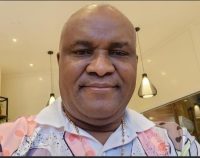
Nearly 150 million people across Africa are living with mental health, neurological or substance-use conditions, the World Health Organisation, WHO, Regional Director for Africa, Dr Mohamed Janabi, has disclosed.
Janabi, who made the disclosure in his message to mark World Mental Health Day 2026, said depression, anxiety disorders, alcohol and other substance-use disorders were affecting individuals, families and communities across the continent.
The WHO Regional Director, however, warned that millions of affected people still could not access the care and support they needed, while stigma and discrimination continued to prevent many from seeking help.
This year’s World Mental Health Day is being observed under the theme, “Lived experiences heard: real voices, real change.”
Janabi said the theme was a call for people directly affected by mental health conditions to be given a stronger role in shaping the policies and services that affect their lives.
According to him, “Their experience can show us where services fall short, what forms of assistance make a difference, and how care can fully respect people’s dignity and rights.
“Listening to these voices is essential if we are to build mental health systems that are responsive, inclusive and effective.”
He criticised the long-standing practice of inviting people with mental health conditions to share their experiences without involving them in subsequent decision-making.
“For too long, individuals have been invited to share their personal stories but excluded from the decisions that follow. Listening must lead to participation,” he said.
Janabi called for people with lived experience to participate in developing policies, designing services and strengthening peer-led initiatives, arguing that their insights, combined with clinical and public health expertise, could make mental health care more responsive and accountable.
He said the WHO was already working to create such opportunities across the African Region.
“This year, people with lived experience served as key facilitators in our Regional Mental Health Webinar Series and Mental Health Intercountry Learning Meetings in South Africa and Togo,” Janabi stated.
He explained that the initiatives were planned and delivered in collaboration with the Pan African Network of People with Psychosocial Disabilities, Aves Mental Health and United for Global Mental Health.
According to him, the collaboration ensured that the perspectives of people with lived experience helped shape the discussions.
Janabi said the same approach was reflected in the recently published Mental Health in Africa Investment Case for the WHO Regional Office for Africa, which calls for stronger community-based services, protection of human rights and sustained involvement of people who use mental health services.
He noted that integrating mental health into primary healthcare was also central to efforts to achieve universal health coverage across the continent.
But despite the growing attention to mental health, Janabi said major gaps remained in Africa’s mental healthcare system.
He disclosed that only seven of the 47 countries in the WHO African Region were implementing comprehensive integration of mental health into primary healthcare.
The funding gap is equally stark, with average government spending on mental health standing at just US$0.07 per person, compared with US$2.69 globally.
Janabi said mental healthcare was also often fragmented or concentrated in major urban centres, leaving many communities without support close to home.
“Addressing these challenges will require stronger national leadership and increased, sustained financing,” he warned.
The WHO Regional Director urged member states to establish formal and sustained mechanisms for the participation of people with lived experience in mental health policy and service delivery.
“I also call on health professionals, civil society organisations and partners to support the leadership of people with lived experience, and help bring compassionate care closer to communities,” he added.
Janabi reaffirmed WHO’s commitment to working with member states and communities to expand accessible and rights-based mental healthcare across Africa.
“Real voices can drive real change. Together, we can build mental health systems with those who use them, and ensure they respond optimally to the lives people lead,” he said.