By Editor.
The Nasarawa State Government has reaffirmed that its ban on the felling of trees for charcoal production remains in force, warning that violators will face severe sanctions as part of efforts to curb climate change, halt deforestation and protect public health.
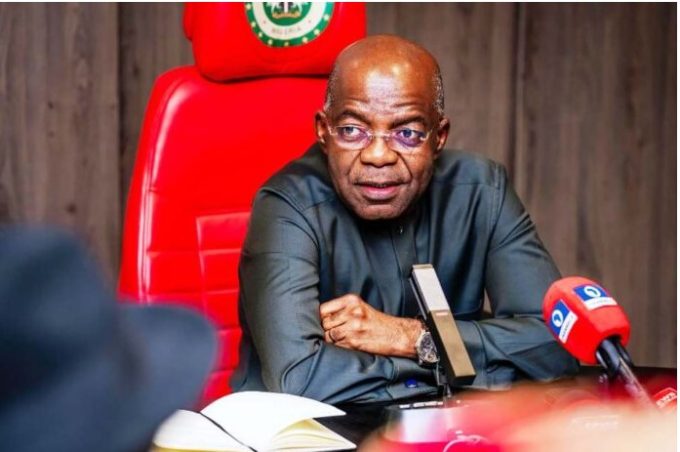
The Permanent Secretary, Ministry of Environment and Natural Resources, Barrister Ede Yahaya Yakubu, gave the warning while speaking with journalists in Lafia on Wednesday.
Yakubu said the continued enforcement of the ban became necessary because of widespread logging and charcoal production, which have accelerated deforestation, land degradation, rising temperatures and environmental pollution across the state.
According to him, climate change is no longer a distant threat but a reality driven largely by human activities that continue to destroy natural ecosystems.
“The whole world is suffering from climate change, and it is a result of human activities that have intentionally destroyed our environment,” he said.
He explained that environmental degradation caused by indiscriminate tree felling is contributing to flooding, extreme heat and declining land productivity.
“What we are experiencing today—flooding, hot weather and land degradation—is a result of activities that have negatively affected the environment,” Yakubu added.
The permanent secretary stressed that protecting forests is critical not only for environmental sustainability but also for safeguarding residents from environment-related diseases.
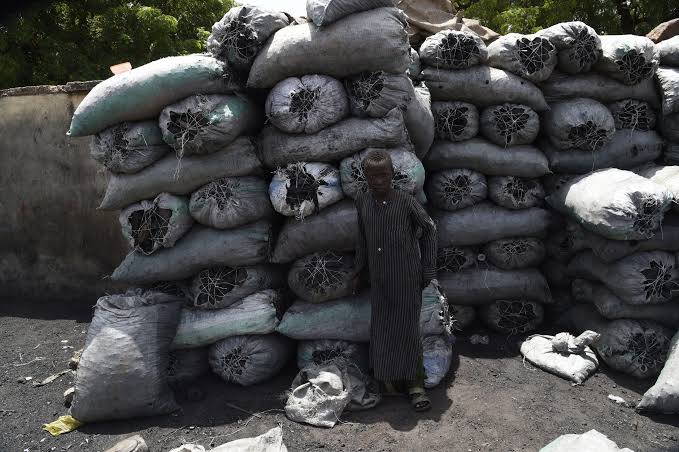
He lamented that charcoal production had evolved into a thriving commercial enterprise, leading to the depletion of forest resources.
“People turned charcoal production into a business and exploited our forests. They deforested vast areas, leaving our lands degraded,” he said.
Yakubu maintained that the government has outlawed commercial charcoal production and prohibited anyone from entering forest reserves to cut trees for the business.
He disclosed that forest guards and security agencies have intensified enforcement of the directive, with offenders already being arrested and prosecuted.
“If we don’t act now, climate change will become worse. The forest reserves we are trying to preserve will be destroyed, exposing us to even greater environmental dangers,” he warned.
As part of efforts to restore degraded ecosystems, Yakubu said the state government is partnering with the Agro-Climatic Resilience in Semi-Arid Landscapes (ACReSAL) project, a World Bank-supported initiative, to promote reforestation and land restoration.
He noted that the state recently embarked on tree-planting campaigns during the celebration of World Environment Day, with trees planted across government facilities, including the State Secretariat.
“We are replanting trees to restore a green environment. The trees planted during this year’s World Environment Day are part of our commitment to reversing environmental degradation,” he said.
Yakubu added that the ministry has also launched environmental education campaigns in schools, encouraging students to plant trees and extend the culture of environmental stewardship to their homes and communities.
Environmental experts have consistently identified deforestation as a major driver of climate change, biodiversity loss and desertification in Nigeria, with tree planting and forest conservation regarded as key strategies for reducing carbon emissions, protecting ecosystems and strengthening resilience against extreme weather events.