By Editor
Nigeria’s healthcare system is facing a deepening crisis as the Nigerian Medical Association (NMA) has revealed that more than 16,000 doctors left the country between 2017 and 2023, warning that unless urgent reforms are implemented, the nation risks a worsening shortage of health professionals and declining quality of care.
The warning came during the 2026 Annual General Meeting and Scientific Conference of the Oyo State chapter of the NMA in Ibadan, where stakeholders called for sweeping reforms in healthcare leadership, financing and workforce retention.
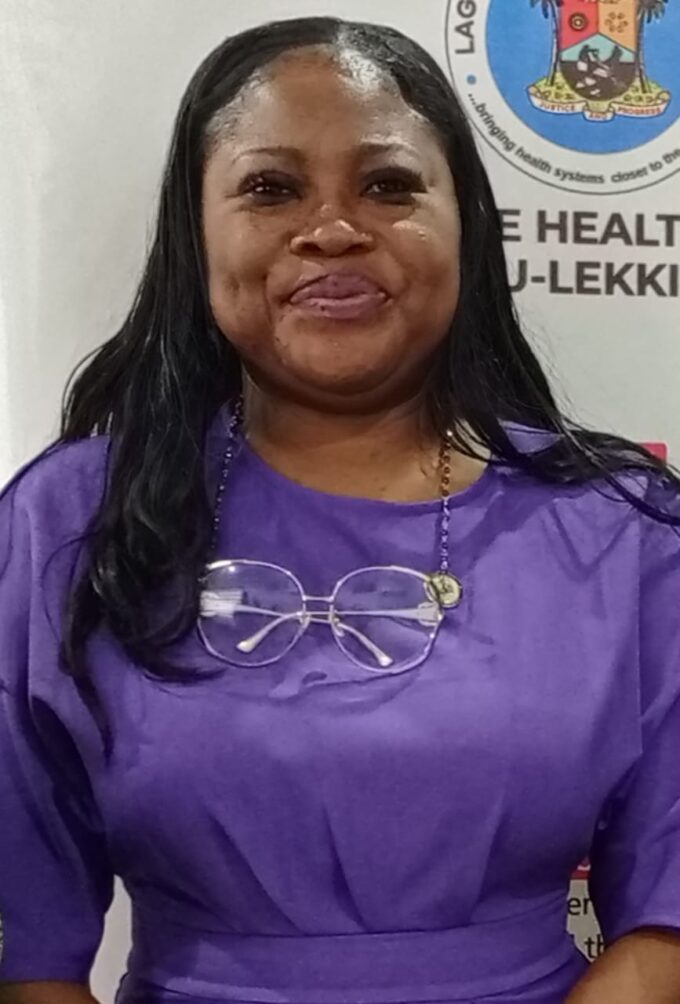
Speaking on the conference theme, “Redefining Healthcare Leadership in Nigeria: Innovation, Accountability and Sustainable Development,” Medical Director of the Federal Medical Centre, Abeokuta, Dr. Titilola Ibiyemi, said Nigeria could no longer sustain its current approach to managing the health sector.
According to her, effective healthcare leadership must go beyond routine administration to embrace innovation, accountability, strategic planning and collaboration capable of transforming the country’s struggling health system.
“Leadership in healthcare must be intentional, innovative and accountable. Leaders must inspire change, strengthen institutions, embrace technology and ensure efficient management of available resources to improve patient outcomes,” Ibiyemi said.
She identified persistent brain drain, chronic underfunding, poor infrastructure, weak accountability systems and excessive dependence on donor funding as major obstacles preventing Nigerians from accessing quality healthcare.
Highlighting the scale of the workforce crisis, Ibiyemi disclosed that over 16,000 Nigerian doctors emigrated between 2017 and 2023, describing the trend as a serious threat to the country’s healthcare capacity.
She also revealed that although Primary Healthcare Centres (PHCs) account for about 75 per cent of health facilities nationwide, only about 20 per cent of the country’s nearly 30,000 PHCs are fully functional, limiting access to essential health services for millions of Nigerians.
On healthcare financing, she lamented that Nigeria allocates only about 3.86 per cent of its Gross Domestic Product (GDP)to health, far below the 15 per cent Abuja Declaration target, while approximately 76 per cent of healthcare expenditure is paid directly by patients through out-of-pocket spending.
Chairman of the occasion, Prof. Oyewusi Gureje, said doctors occupy strategic leadership positions within the health sector and must continue developing competencies needed to drive reforms.
He urged participants to strengthen professional collaborations capable of improving healthcare delivery and restoring public confidence in the system.
Speaking with journalists after the conference, Oyo State NMA Chairman, Dr. Happy Adedapo, said the meeting was convened to address the growing challenges confronting Nigeria’s health sector.
He disclosed that the association would submit a communiqué containing recommendations to government authorities, while calling for stronger collaboration among governments, employers, development partners and healthcare professionals.
Although he acknowledged recent improvements in doctors’ welfare, including payment of professional allowances for federal health workers and increased support in some states, Adedapo said the measures remained insufficient to halt the migration of skilled medical personnel.
“The japa syndrome remains one of the biggest challenges facing the health sector. Government must identify the factors pushing doctors out of the country and address them. Nigeria cannot continue training doctors for export while our hospitals face severe manpower shortages,” he said.
He stressed that better remuneration, improved working conditions, upgraded health infrastructure, enhanced security and expanded career development opportunities are essential to retaining doctors and other healthcare professionals.
Other participants, including former Oyo NMA Chairman Dr. Damilola Louis, President of the Medical Women’s Association of Nigeria (MWAN), Oyo State chapter, Dr. Shakirat Olanlege, and Dr. Temitope Ilori, also advocated a review of Nigeria’s medical curriculum to incorporate administrative and entrepreneurial training.
According to them, equipping future doctors with leadership and management skills would better prepare them to tackle the complex challenges facing Nigeria’s healthcare system while strengthening governance across the sector.