By Desire Uzochukwu
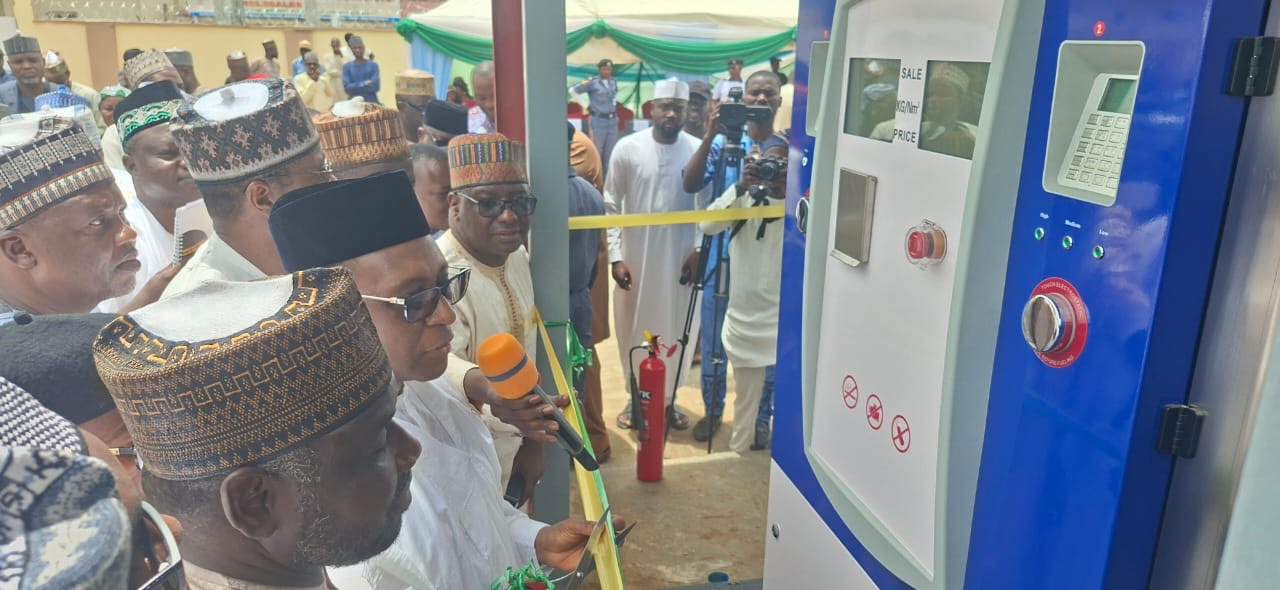
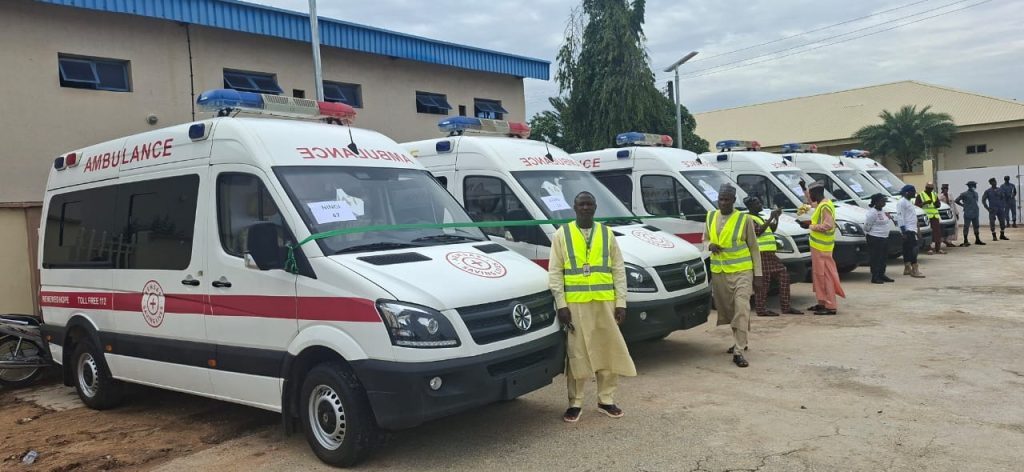
The Federal Government has deployed Compressed Natural Gas, CNG, ambulances to six hospitals in Bauchi State and commissioned a CNG refill station at the Abubakar Tafawa Balewa University Teaching Hospital, ATBUTH, as part of efforts to strengthen emergency medical response across the state.
Coordinating Minister of Health and Social Welfare, Prof. Ali Pate, who commissioned the facilities on Friday, said the intervention was designed to improve access to emergency care in both urban and rural communities.
Pate said the Federal Government was responding to gaps in emergency transportation, particularly cases where patients were stranded in healthcare facilities because of non-functional ambulances.
He said the intervention would cover primary, secondary and tertiary healthcare facilities across the state, adding that the Federal Government had also intensified the revitalisation of primary healthcare centres in Bauchi’s 20 local government areas.
According to him, more than 12,500 women, children and other patients had benefited from emergency medical services in the state over the past 18 months, while more than 5,000 women had received obstetric fistula services.
Pate said the interventions were part of the Federal Government’s broader effort to ensure that public investment in healthcare translated into accessible services for Nigerians.
He said: “We noted an important weakness. Many states don’t invest enough, and when they spend the money, it is not going towards the services. They spend on personnel and other things. We have to intervene and that is why in Bauchi State, across the 20 local government areas, we have actually impacted and we are doing that more.”
The CNG ambulances were distributed to ATBUTH, Teaching Hospital Azare, Federal Medical Centre, Misau, General Hospital, Toro, General Hospital, Ningi, and General Hospital, Gamawa.

Speaking on the development, the Chief Medical Director of ATBUTH, Prof. Yusuf Bara, said the availability of reliable energy and emergency transportation was critical to effective healthcare delivery.
Bara said the new CNG facility would strengthen the hospital’s operational resilience, noting that the facility had already undergone safety and compliance inspection by the North-East Zonal Office of the Nigerian Midstream and Downstream Petroleum Regulatory Authority, NMDPRA.
He said the hospital had met the required regulatory benchmarks and was awaiting final operational certification.
According to him, ATBUTH would ensure that the facility was properly maintained and operated in line with regulatory and safety standards.
On the ambulances, Bara said timely transportation could be critical to patients requiring specialised care.
“In healthcare, time is critical. A patient may receive the right diagnosis and appropriate treatment plan, but a delay in reaching the facility where specialised care is available can have serious consequences,” he said.
The intervention, he said, would improve the ability of hospitals across the state to move patients requiring urgent attention and specialised treatment.
Pate also said almost 4,000 Bauchi State graduates had secured employment, describing them as part of the state’s contribution to the healthcare workforce.