By Chidimma Oparaochaekwe
The Lagos State Health Management Agency, LASHMA, has called for stronger coordination among hospitals, ambulance operators and other stakeholders to ensure that emergency patients receive treatment without delays.
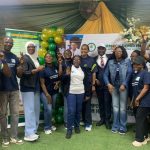
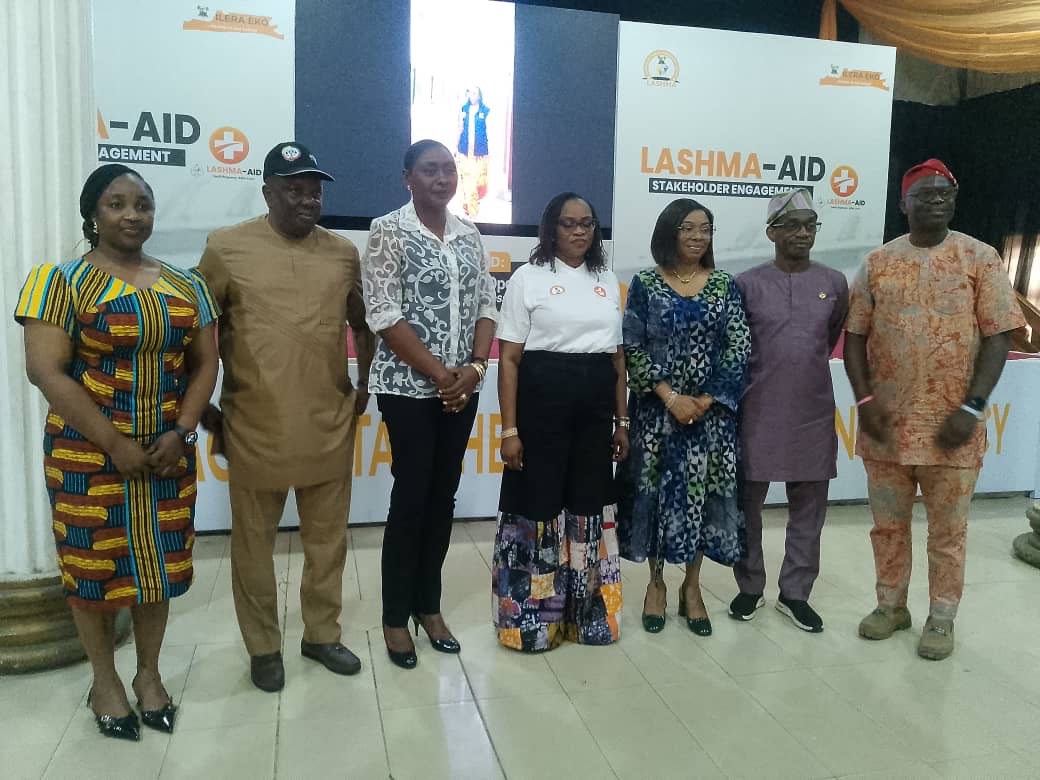
Permanent Secretary of LASHMA, Dr Emmanuella Zamba, made the call at a multi-stakeholder engagement meeting on emergency care coordination held at the Lagos Chamber of Commerce and Industry, LCCI, Ikeja, under the theme, “Strengthening Emergency Care Coordination and Referral Across Lagos State.”
Dr Zamba said LASHMA-AID was established to ensure that patients with life-threatening conditions are stabilised without first demanding proof of insurance or payment.
She said the programme was designed to stand in the gap for Lagos residents and ensure that financial concerns do not prevent emergency patients from receiving care.
“When you go to a hospital without the support of LASHMA-AID, providers may be reluctant to receive you because they are unsure who will pay for the care you are going to receive,” Zamba said.
She said LASHMA-AID had attended to 132 emergency cases since operations began in March 2026, saving 110 lives, while 22 deaths were recorded.
According to her, 106 of the patients were vulnerable residents whose medical bills were covered by the agency, while 23 were enrollees and three were enrolled under the Lagos State Health Insurance Scheme.
Dr Zamba said the increasing number of cases showed the need for stakeholders to identify gaps and improve the emergency response system.
“Our gathering here today is to prepare ahead, identify gaps and challenges that may affect our operations and the programme, and work together on how we can collectively improve these services,” she said.
She also called on residents to be more careful on the roads, noting that road traffic accidents accounted for a significant proportion of cases handled under LASHMA-AID.
She urged motorists, pedestrians and passengers to obey traffic rules, use pedestrian bridges where available and avoid actions that could expose them to road crashes.
On public awareness, Dr Zamba said LASHMA had been working with journalists and communities to make residents aware of LASHMA-AID and how to access emergency assistance. She said the agency had trained health journalists to help create awareness and was also using radio, television and community engagement to reach residents.
Dr Zamba urged Lagos residents to seek emergency assistance when needed and said the intervention was not limited to road traffic accidents.
“It is not only about road traffic accidents. You can collapse from a stroke, you can have a medical emergency, and there are so many things that can happen,” she said.
Presenting the first six months of operations, LASHMA’s Emergency and Care Management Manager, Dr Favour Oluwaniyi, said road traffic accidents accounted for 59 of the 132 cases handled by the programme.
Dr Oluwaniyi said the agency also recorded 36 medical emergencies, 19 surgical emergencies, 11 obstetric emergencies and seven neonatal and paediatric emergencies.
She said one of the major challenges identified was the need for a clear emergency referral pathway across the state.
“We need to be able to say that once this happens within your jurisdiction, wherever you are, there is a clear pathway for how that person gets to the hospital,” she said.
Dr Oluwaniyi said hospitals needed assurance that the cost of emergency treatment would be recovered where LASHMA-AID was responsible for payment.
“As long as there is a definitive pathway and hospitals are confident that their money will come back to them, the person can be treated and the life can be saved,” she said.
She also identified the acceptance of emergency patients by healthcare facilities as another challenge. According to her, some facilities still refuse to receive patients when they arrive, which can cause delays in accessing appropriate care.
Dr Oluwaniyi said emergency blood access was another major concern, particularly for trauma and maternal emergencies.
She added that hospitals also needed support with basic welfare supplies for vulnerable patients who had no relatives to provide for them during prolonged hospital stays.
She said some patients required adult diapers, toiletries, wipes and other personal items which were not covered by the medical component of LASHMA-AID. She called for partnerships with humanitarian organisations and other stakeholders to support such patients.
Dr Oluwaniyi said LASHMA wanted to establish clear communication channels through which emergency cases could be quickly escalated to facilities capable of providing definitive care.
She also called for liaison officers in healthcare institutions to help coordinate emergency referrals.
Also speaking, the Director of the Lagos State Ambulance Service, LASAMBUS, Dr Beatrice Makinde, said the ambulance service had no problem responding to emergency calls, picking up patients, stabilising them and transporting them to hospitals.
Dr Makinde, however, said difficulties sometimes arose when patients were taken to receiving facilities.
“It’s when we get there that we sometimes experience resistance,” Makinde said.
She said LASHMA had been helping to address the problem and that a protocol was being developed to guide hospitals on accepting referred emergency patients.
Dr Makinde stressed the need for ambulance teams to communicate with receiving hospitals before bringing in patients.
“The ambulance team should communicate with the receiving facility before bringing in the patient, or whichever ambulance system we want to use, so that they too will be prepared for the patient,” she said.
She warned that delays could put patients at greater risk, particularly when a patient had already been stabilised at one facility but was later refused by another facility. “What we don’t want to happen is to lose any patient,” she said.
Dr Makinde also called for greater involvement of general and tertiary hospitals in the emergency referral process, noting that their cooperation was important to the success of the system.
In his goodwill message, the Permanent Secretary, Lagos State Ministry of Health, Dr Dayo Lajide, said the ministry was pleased with the progress made under LASHMA-AID.
“We are indeed proud of what LASHMA-AID is doing presently in terms of improving our emergency response, working very closely with LASAMBUS and the various agencies involved,” Lajide said.
Dr Lajide said the Ministry of Health would continue to support initiatives that improve emergency response and ensure that residents have access to timely healthcare when they need it.