By Desire Obinna
Intermittent fasting, a popular eating pattern that alternates between periods of eating and fasting, may help with weight management and improve some measures linked to metabolic and heart health, but experts caution that it is not suitable for everyone.
Unlike conventional diets that focus mainly on what people eat, intermittent fasting focuses on when they eat, restricting food intake to specific hours or days.
According to Mark Mattson, a neuroscientist at Johns Hopkins who has studied intermittent fasting for about 25 years, the approach works partly by extending the period during which the body uses stored energy.
“Intermittent fasting contrasts with the normal eating pattern for most Americans, who eat throughout their waking hours,” Mattson said.
“If someone is eating three meals a day, plus snacks, and they’re not exercising, then every time they eat, they’re running on those calories and not burning their fat stores.”
Mattson explained that after several hours without food, the body uses up its readily available sugar stores and begins turning to stored fat for energy, a process he calls “metabolic switching.”
Different ways to fast
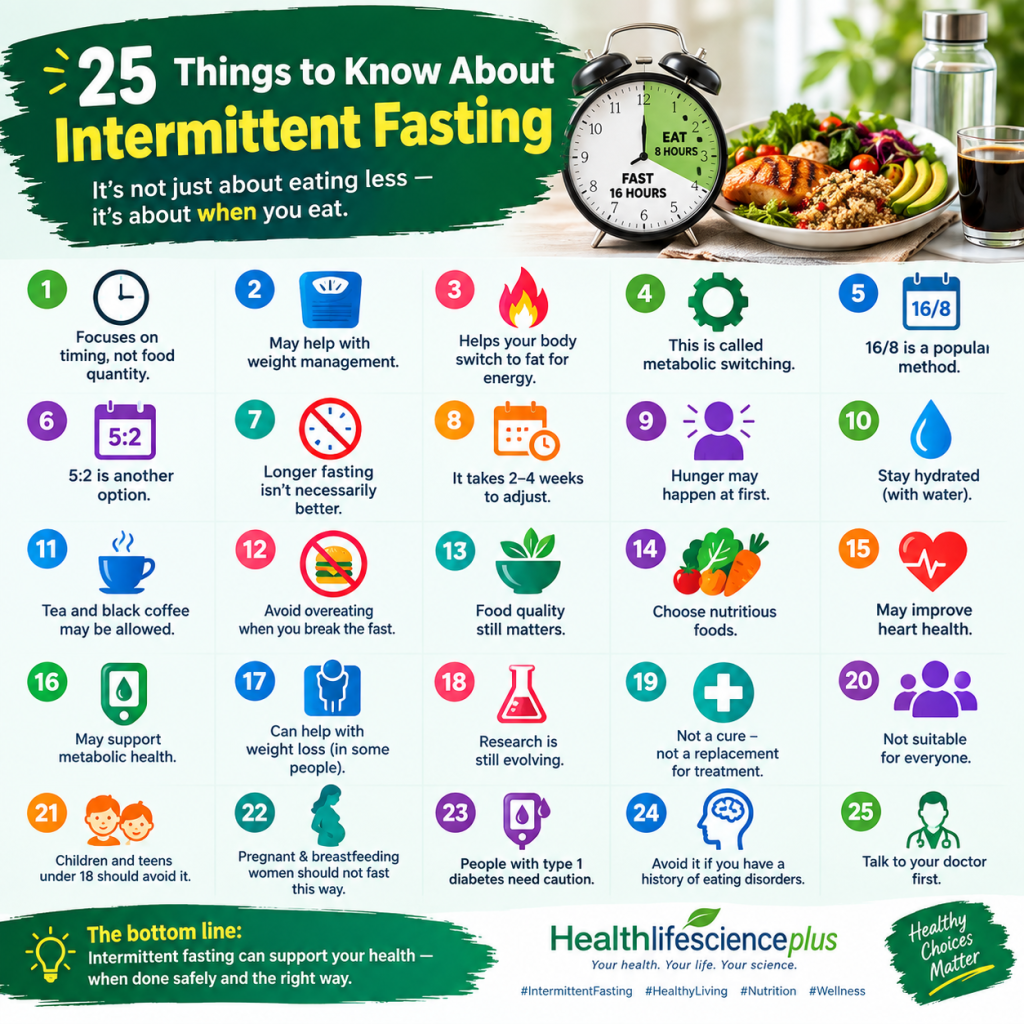
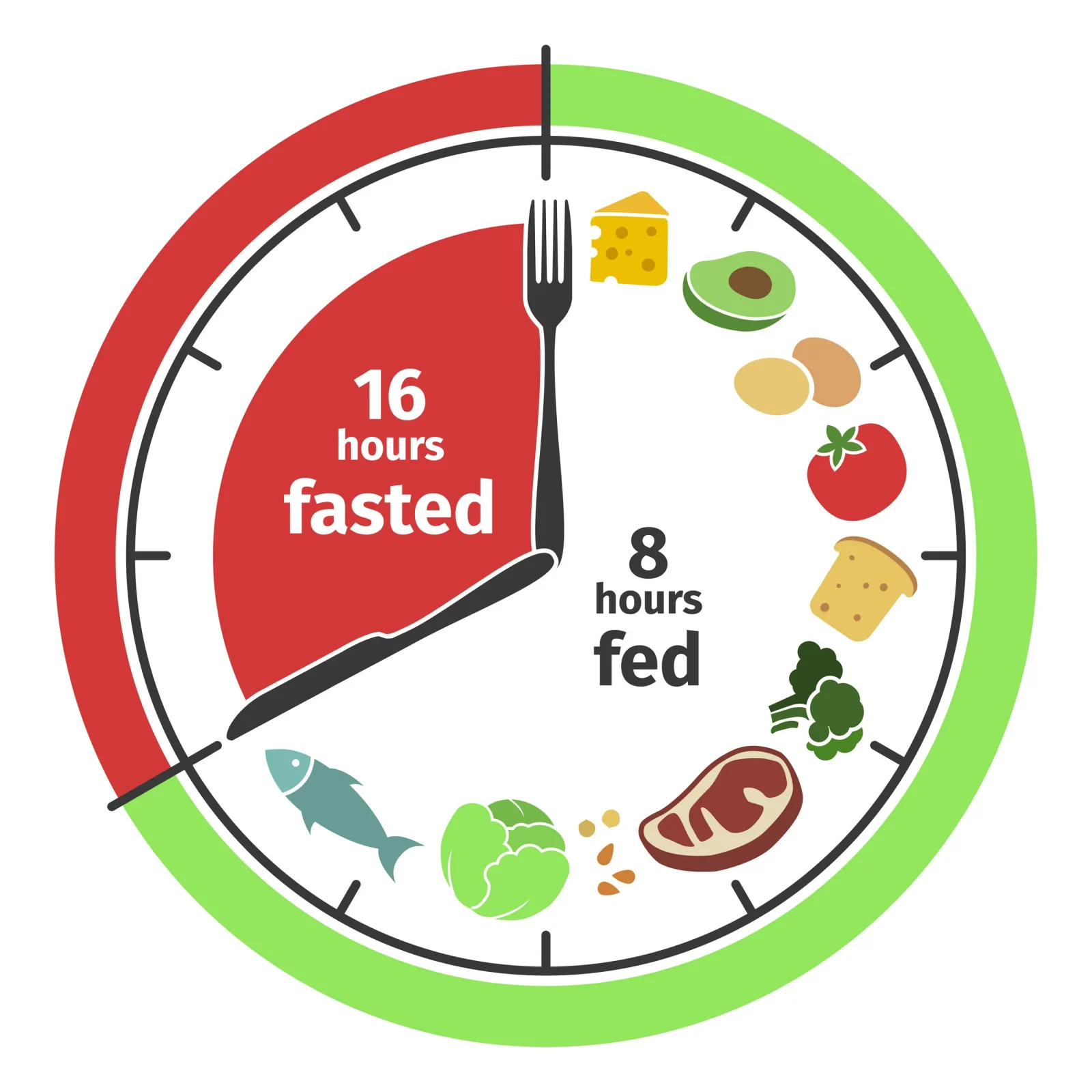
One common approach is the 16/8 method, where food is consumed within an eight-hour window and fasting continues for the remaining 16 hours of the day.
Another is the 5:2 approach, in which a person eats normally for five days of the week and significantly restricts calorie intake on two non-consecutive days.
However, Mattson cautioned that longer fasting periods are not necessarily better.
Fasting for 24, 36, 48 or 72 hours can be difficult and may even be dangerous for some people. Prolonged periods without food may also trigger the body to conserve energy rather than produce the desired benefits.
What happens during the adjustment period?
People who begin intermittent fasting may initially experience hunger, irritability or difficulty adjusting to the new eating schedule.
Mattson’s research suggests that it can take about two to four weeks for the body to become accustomed to the routine. People who successfully pass through the adjustment period may find the eating pattern easier to maintain.
During fasting periods, water and zero-calorie drinks such as plain black coffee and tea can be consumed.

When eating, however, intermittent fasting does not mean there is a licence to consume unlimited unhealthy foods.
Nutrition experts commonly recommend a balanced pattern containing vegetables, leafy greens, healthy fats, lean protein and complex, minimally processed carbohydrates such as whole grains.
Research indicates that consuming excessive amounts of high-calorie foods during the eating window may undermine weight-loss efforts.
Potential health benefits
Studies cited by Mattson suggest that intermittent fasting may have several potential health benefits.
Research has reported improvements in some measures of heart health, including blood pressure and resting heart rate. Studies have also found potential benefits involving memory and cognition.
In studies involving people with obesity, intermittent fasting has been associated with weight loss. Research involving people with type 2 diabetes has also reported reductions in body weight, fasting glucose and insulin resistance in some participants.
Some studies suggest that, under medical supervision, certain people with type 2 diabetes may experience significant improvements in their condition.
Mattson said the potential effects extend beyond weight loss.
“Many things happen during intermittent fasting that can protect organs against chronic diseases like type 2 diabetes, heart disease, age-related neurodegenerative disorders, even inflammatory bowel disease and many cancers,” he said.
However, much of the evidence comes from studies of varying duration and design, including animal research, meaning intermittent fasting should not be regarded as a cure or replacement for medical treatment.
Not for everyone
Health experts advised some groups to avoid intermittent fasting or seek medical advice before attempting it.
They include children and teenagers under 18, pregnant or breastfeeding women, people with type 1 diabetes who use insulin, and people with a history of eating disorders.
Mattson noted that people with type 1 diabetes who take insulin could face potentially dangerous drops in blood sugar during fasting.
People who develop unusual anxiety, persistent headaches, nausea or other concerning symptoms while fasting should also seek medical advice.
For people who are otherwise suitable candidates, intermittent fasting may be used as a long-term lifestyle approach, but it should be tailored to individual health needs.