By Chiamaka Egwu
The Nigeria Centre for Disease Control and Prevention (NCDC) on Tuesday warned of heightened risks from multiple infectious diseases as the dry season approaches, urging state governments and health facilities to strengthen surveillance, testing and treatment capacity before outbreaks overwhelm the health system.
The warning comes as Nigeria continues to monitor contacts of its imported Ebola case, while confirmed cases of dengue fever and chikungunya add to concerns over the country’s disease burden. The agency also cautioned that the dry season could create conditions for increased cerebrospinal meningitis and Lassa fever infections.
Director-General of NCDC, Dr Jide Idris, said preparations must begin before seasonal outbreaks intensify, particularly as Lassa fever cases have historically increased during this period.
“We are entering the period when Lassa fever cases have historically risen. We must prepare before the seasonal peak, not after health facilities become overwhelmed,” Idris said.
He called on state governments to sustain disease surveillance, strengthen laboratory capacity, ensure treatment readiness and intensify community engagement, while providing frontline response teams with the funding, equipment, logistics and operational support needed to respond effectively.
The agency’s warning also highlights the danger of Nigerians treating every fever as malaria, particularly with dengue fever and chikungunya confirmed in the country. Both infections can cause fever, headache and body or joint pains, while dengue can become life-threatening when warning signs are missed.
NCDC advised anyone experiencing persistent fever, rash, vomiting or severe joint pains to seek medical assessment, warning that severe abdominal pain, repeated vomiting, bleeding or difficulty breathing require urgent medical attention.
It also urged Nigerians to take mosquito-control measures, including draining stagnant water, covering water containers, clearing discarded tyres and protecting themselves against mosquito bites, noting that mosquitoes responsible for dengue and chikungunya can bite during the day.
Beyond mosquito-borne infections, the agency warned of increased cerebrospinal meningitis risks in parts of the meningitis belt during the dry season. Sudden fever, severe headache, neck stiffness and confusion or altered consciousness, it said, require urgent medical attention.
Diphtheria also remains a concern, particularly among under-immunised children. NCDC urged parents to ensure their children receive recommended vaccinations and advised prompt medical attention for symptoms such as fever, sore throat, neck swelling and difficulty swallowing or breathing.
On Ebola, the agency said that as of November 9, Nigeria had recorded no additional confirmed cases following confirmation of the imported case on October 20. Of the 62 contacts identified, 34 had completed their individual 21-day follow-up, while 28 remained under monitoring.
Idris stressed that the different disease threats required coordinated action by government, health workers and communities.
“These threats require a coordinated national response in which suspected cases are recognised early, credible alerts are promptly investigated, and patients receive appropriate care,” he said.
He urged public and private health facilities to report suspected cases promptly and protect healthcare workers, while calling on Nigerians to seek medical attention early, avoid self-medication and rely on verified public-health information.
“These are connected responsibilities in protecting Nigerians,” he said.
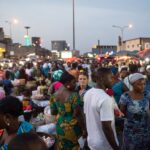
The NCDC also urged event organisers, healthcare providers and authorities to plan for medical assistance, hygiene and sanitation during the festive period, when increased travel, concerts, religious gatherings and other mass events could heighten public-health risks.
Members of the public can contact the agency through its toll-free line, 6232.