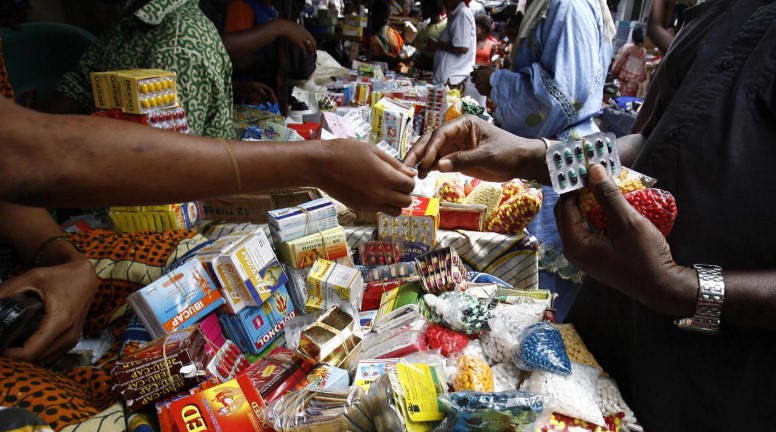
As counterfeit medicines, adulterated foods and contaminated beverages circulate in the Nigerian market, consumers face growing risks of organ damage, treatment failure, antimicrobial resistance and even death. Poverty and the rising cost of living are further complicating the problem, forcing some Nigerians to choose products based on affordability rather than safety.
Despite regulatory interventions, including seizures, factory closures and public warnings by the National Agency for Food and Drug Administration and Control (NAFDAC), unsafe products remain a serious public health concern. The consequences range from vomiting and abdominal pain to liver and kidney damage, treatment failure, disability and death.
In this joint interview with InsightWirenewsNG, two public health physicians at the Lagos University Teaching Hospital (LUTH), Lagos, Dr Amarachukwu Enahoro and Dr Adefunke Ronnie Adeniyi, they examine the health dangers, economic realities and regulatory challenges sustaining the menace. While Enahoro discusses the immediate and long-term medical consequences of consuming fake and contaminated products, Adeniyi examines how poverty, weak supply-chain monitoring and consumer behaviour contribute to the problem. They also outline measures government, regulators, manufacturers and consumers must take to protect lives.
Excerpts:

Fake drugs, contaminated foods can cause irreversible organ damage, disability — Enahoro
Dr Amarachukwu Enahoro, a Public Health Physician at the Lagos University Teaching Hospital, LUTH, speaks on the health implications of counterfeit medicines, adulterated foods and contaminated beverages.
What are the immediate and long-term health consequences of consuming counterfeit medicines, adulterated foods and contaminated beverages?
The consequences depend on the substance consumed and the quantity involved because different substances affect the body in different ways.
For instance, contaminated foods and drinks can cause nausea, vomiting and abdominal pain in the short term. These are some of the immediate symptoms consumers may experience.
However, the long-term consequences may include damage to vital organs such as the liver and kidneys. Severe damage can result in loss of organ function, disability and reduced quality of life.
Essentially, the quantity consumed and frequency of exposure determine whether an individual experiences immediate symptoms or develops long-term health complications.
Between fake medicines, adulterated foods and contaminated beverages, which poses the greatest risk to consumers?
It is difficult to say that one category is more dangerous than the others because each has the potential to cause serious harm.
Take fake medicines, for example. Someone has malaria and goes to a pharmacy to buy medication, unknowingly purchasing a counterfeit product.
The first consequence is that the medicine may not achieve its intended purpose because the active ingredient required to treat the malaria parasite may be absent or inadequate.
The substance used in producing the fake medication could also damage the kidneys or liver, depending on its composition.
Now consider adulterated foods. Someone who is not sick simply wants to buy a can of juice to quench their thirst. Unknown to that person, the juice has been adulterated or contains a harmful chemical.
The individual, who was initially healthy, has now been exposed to a substance that could cause vomiting and other complications.
So, it is not really a question of which is more dangerous. Fake medicines, contaminated water, adulterated foods and unsafe beverages can all have serious consequences. They can cause illness and, in extreme circumstances, death.
What happens inside the body when someone repeatedly consumes products containing harmful or undeclared substances? Can the damage be irreversible?
When someone is exposed to toxic chemicals or counterfeit medicines, these substances can injure the body’s cells.
Take the kidneys, for example. They filter waste products from the body, and toxic substances can damage them, affecting their ability to perform this essential function.
Other parts of the body can also be affected. The eyes, including the lens, and the blood system may be affected, depending on the substance involved.
In some cases, the body can recover from such injuries. Recovery depends on the dose, frequency of exposure and other factors.
However, repeated exposure is more concerning because the risk of injury increases. The body may not have enough time to recover between exposures. Depending on the substance, some toxic compounds may also accumulate in the body and interfere with normal biological processes.
In severe cases, the damage may be irreversible, particularly where there is serious kidney or liver injury.
We must, however, emphasise that not every exposure to a harmful substance automatically results in permanent damage. The outcome depends on the type of chemical or contaminant, the quantity consumed, the frequency of exposure and the individual exposed.
Can counterfeit and substandard medicines contribute to drug resistance?
Yes. Let me give an example based on what happens in our environment.
When Nigerians experience tiredness, body aches, fever or other symptoms they associate with malaria, many simply go to a pharmacy and buy antimalarial drugs without necessarily undergoing proper diagnosis.
Now, imagine that the person purchases a substandard antimalarial medicine.
When we talk about substandard medicines, we mean products that do not meet the required quality standards. For instance, a medicine may contain less of its active ingredient than specified. In some cases, the active ingredient may be completely absent or replaced with an ineffective substance.
When a person consumes such a medicine, the inadequate quantity of the active ingredient may not be sufficient to eliminate the malaria parasites.
The parasites that survive may continue to multiply, and inadequate drug exposure can contribute to the selection and spread of resistant strains. This is one of the concerns associated with the circulation and use of poor-quality medicines.
Substandard and falsified medicines can therefore contribute to antimicrobial resistance, including resistance that makes infections more difficult to treat.
Such resistance can eventually result in treatment failure and preventable deaths. These are deaths that could be avoided if we effectively curb the circulation and distribution of substandard and falsified medicines in Nigeria.
Which groups are most vulnerable to the health consequences of consuming fake and contaminated products?
People respond differently to chemicals and toxins because of differences in their genetic makeup, existing health conditions and other factors.
However, certain population groups are particularly vulnerable.
Children, especially infants and young children, are among the most vulnerable because their organs and immune systems are still developing.
A substance that an adult’s body may be able to tolerate could cause serious harm in a child. Their kidneys and other developing organs, for instance, could be affected.
Pregnant women are another group of concern. Exposure to toxic substances or unsafe products during pregnancy can put both the mother and unborn child at risk. Depending on the substance and level of exposure, the unborn child could experience developmental complications, birth defects or, in severe cases, death.
We also have people living with chronic illnesses, including cancer. Some of these patients have weakened immune systems, particularly those undergoing cancer treatment. They may therefore be more susceptible to the harmful effects of counterfeit medicines and contaminated foods.
The elderly, particularly people above 65, are also at increased risk.
Although anybody can be affected, these are some of the population groups we generally classify as vulnerable when discussing public health risks.
What warning signs should consumers look out for when they suspect that a medicine, food or drink may be fake or contaminated? What should they do?
Consumers need to develop a high index of suspicion.
One of the things to look out for is the NAFDAC registration number. If a regulated product does not have a visible registration number, or its production and expiry dates cannot be established, consumers should be cautious.
For medicines, changes in colour, smell, texture, shape or packaging compared with what they are familiar with could also raise suspicion.
For instance, if you regularly purchase a particular medicine and notice a significant difference in its appearance or packaging when you buy it again, you should investigate rather than assume everything is normal. Consumers should also be cautious about purchasing products from questionable sources or unauthorised sellers.
However, these signs are not definitive proof that a product is counterfeit. Some genuine products may experience packaging damage during transportation or handling. Also, counterfeit products can sometimes look very similar to genuine ones.
If someone suspects that a product is fake or contaminated, particularly if they have developed symptoms, the first thing to do is seek medical attention at a healthcare facility.
It is also important to preserve the evidence. The carton, packaging or remaining product should be kept because investigators may need them during an investigation. If there is a need for a product recall, NAFDAC and other relevant authorities will have something to work with.
As responsible citizens, we also have a duty to report suspicious products to NAFDAC. The agency has surveillance teams that can investigate such reports.
I want to encourage Nigerians not to isolate themselves from the process of eliminating fake medicines and other unsafe products. We must partner with healthcare facilities, NAFDAC and government authorities.
If you know where these products are being manufactured or distributed, it is important to report such activities. By doing so, you are not only protecting other people; you could also be saving your own life.
Beyond individual illness, what are the wider public health and economic implications of the circulation of fake products in Nigeria?
The healthcare system and the economy are both affected. Public confidence in the healthcare system and regulatory institutions can also be undermined.
First, the availability of fake or ineffective medicines can make people believe that healthcare professionals are not competent.
For instance, a doctor may prescribe an appropriate medicine, but the patient goes out and purchases a counterfeit version. When the patient fails to respond to treatment, the doctor or healthcare system may be blamed, even though the problem is the quality of the medicine.
Secondly, contaminated foods and beverages can affect large numbers of people and lead to outbreaks of illness. Such outbreaks can overwhelm healthcare facilities, particularly when children and older people are affected.
There are also significant financial implications. Treating complications arising from counterfeit medicines and contaminated products places additional demands on individuals, families and the healthcare system.
Another important concern is disability. If someone suffers permanent damage and becomes unable to work because of exposure to harmful products, that person’s earning capacity is reduced.
This affects the financial stability of the individual and family and could even push an already struggling household into poverty.
Finally, the circulation of fake products weakens public trust in government institutions. Healthcare professionals and regulatory agencies are expected to protect lives. When unsafe products continue circulating, people may begin to question whether government and its institutions are taking their responsibilities seriously.
If Nigeria fails to strengthen its response to counterfeit and substandard products, what could happen over the next five to 10 years? What urgent interventions are needed?
One of the most worrying consequences is the increasing cost of healthcare, particularly when treatment failures occur.
We could also see greater harm from repeated exposure to contaminated foods, drinks and medicines, especially among vulnerable populations such as children, pregnant women and people living with chronic illnesses.
Families may lose income while dealing with illnesses and complications that could have been prevented. Healthcare workers and facilities will also face greater pressure to provide treatment.
The cost of providing healthcare in the country could therefore become more expensive.
The World Health Organisation has estimated that one in 10 medical products in low- and middle-income countries is substandard or falsified. This gives us an idea of the scale of the problem.
If we do not address the situation now, the problem could become worse, with more people exposed to ineffective or harmful medicines.
For Nigeria, I would recommend several interventions.
First, we need to strengthen enforcement of existing regulatory laws so that the time required to identify and remove substandard products from circulation is reduced.
We also need better detection and traceability systems. Government must invest in testing laboratories and technologies that can help authenticate products.
Supply-chain management also needs improvement to ensure that medicines and other regulated products can be tracked from manufacturers to the final consumer.
NAFDAC has already introduced platforms and services that allow consumers to verify certain products. These initiatives should be strengthened and made more accessible to the public.
Government must also ensure that Nigerians have access to affordable and quality products. There is only so much individuals can do. The authorities must make safe and effective medicines and other essential products accessible to ordinary Nigerians.
We also need a reliable reporting system that encourages people to report suspected counterfeit products and ensures that appropriate action is taken.
Finally, public education is very important. The media have a critical role to play in educating Nigerians about how to identify suspicious products, verify medicines and report unsafe products.
Health knowledge is power. The public must be treated as an important partner in protecting the nation’s health.

Poverty, high drug costs driving Nigerians towards fake medicines — Adeniyi
Dr Adefunke Ronnie Adeniyi, a public health physician, and registrar in the department of community health and primary care, Lagos University Teaching Hospital (LUTH) explains how poverty, rising living costs, weak supply-chain monitoring and consumer behaviour contribute to the circulation of counterfeit and substandard products in Nigeria.
Why do fake and substandard products remain a problem in Nigeria despite regulatory efforts?
Fake and substandard products remain a problem in Nigeria because the issue is bigger than regulations and policies alone.
There are several entry points for these products, from importation and manufacturing to wholesalers, markets, pharmacies and online sellers.
Our regulatory agencies are doing a lot, but it can be difficult to monitor such a large and complicated supply chain all the time. There are also informal markets and unauthorised sellers who may be difficult to track.
Another issue is that some counterfeit products are made to look very convincing. A person may look at the packaging and assume it is genuine.
Even a NAFDAC number should not automatically make someone relax, because counterfeiters can sometimes copy numbers from genuine products.
So, it is really a combination of weaknesses in the supply chain, inadequate monitoring and, sometimes, a lack of awareness among consumers.
How do poverty and the high cost of living contribute to the problem?
This is a very important part of the problem.
People are becoming more conscious of price because the cost of almost everything has gone up. When someone needs a medicine and sees two similar products, one significantly cheaper than the other, it is understandable that they may go for the cheaper option, especially if money is tight.
The problem is that the cheaper product may not actually save them money in the long run.
If it is fake or substandard and the illness does not improve, they may end up spending more on another round of treatment, investigations or hospital admission.
There is also the issue of accessibility. Some informal drug sellers are simply closer and more convenient for people, particularly in communities where there may not be a pharmacy or health facility nearby.
So, I don’t think we should simply blame people for buying cheap products. We also have to ask why safe and quality products are sometimes difficult for people to afford or access.
What are the economic and social consequences of counterfeit and substandard products?
The effect goes beyond the person who takes the fake product.
For example, if someone takes a poor-quality antibiotic and does not get better, they may have to spend more money seeing another doctor and buying another medicine.
If the illness becomes more serious, they may even need admission, surgery or intensive care, which costs significantly more than simply purchasing the right drug in the first place.
There is also the issue of lost working days. If a parent becomes sick and cannot work, the family may lose income while still having to pay for treatment.
For families that are already struggling financially, this can be a serious burden.
At the national level, treatment failures also put more pressure on an already stretched healthcare system.
There is also concern about antimicrobial resistance, particularly when people are exposed to medicines that contain inadequate amounts of the active ingredient.
So, the real cost of counterfeit products is much bigger than the price printed on the package.
What can consumers do to protect themselves?
The first thing I would advise is that people buy medicines and other regulated products from reputable and licensed sources.
They should also check the packaging carefully. Look out for spelling mistakes, poor printing, broken seals, unusual packaging, altered expiry dates or anything that looks different from what they normally buy.
For medicines, consumers should check the NAFDAC registration information and, where authentication or verification services are available, use them.
I mean, it takes a few minutes to scratch and dial to confirm authenticity. Please use these services!
But I would also caution people against thinking that they can always identify a fake product simply by looking at it. Some counterfeit products can look almost identical to genuine ones.
If someone notices something suspicious, they should report it rather than simply continue using it or pass it on to someone else.
Healthcare professionals can also help because they are often in a good position to notice unusual treatment failures or suspicious products.
What should regulators, manufacturers and other stakeholders do to address the problem?
I think everybody has a role to play.
Regulatory agencies need to continue strengthening inspections, laboratory testing, surveillance and monitoring of the supply chain.
Online sales also need more attention because people are increasingly buying medicines and other products online.
Manufacturers need to have good quality-control systems and make their products more difficult to counterfeit. They should also report suspected counterfeit products quickly.
Healthcare professionals should educate patients about buying medicines safely and report suspected substandard or falsified products.
Market associations can also help by educating their members and discouraging the sale of unregistered or suspicious products.
Law enforcement agencies have a role as well, particularly when dealing with people involved in large-scale production and distribution.
As for penalties, Nigeria already has laws against counterfeit and substandard products. The bigger question is whether the laws are being enforced consistently enough to actually discourage people from getting into the business.
What could happen over the next five to 10 years if Nigeria fails to address the problem?
If the problem continues to grow, we could see more treatment failures, complications and preventable deaths. Antimicrobial resistance is another major concern. If people are repeatedly exposed to poor-quality antibiotics, it can make infections harder to treat.
There could also be more financial pressure on families because they would be spending money treating illnesses that should have been easily resolved much earlier.
Another issue is trust. If people repeatedly encounter fake or poor-quality products, they may start losing confidence in legitimate medicines and healthcare generally.
So, I think the focus should be on prevention rather than waiting until a fake product has already caused harm.
We need stronger monitoring of the supply chain, better cooperation between regulatory and law enforcement agencies, improved public awareness and, importantly, better access to affordable, quality medicines and other essential products.
At the end of the day, people should not have to choose between what they can afford and what is safe.