By Destiny Obinna
Drug abuse is increasingly driving mental illness, family breakdown, crime and poor productivity among young Nigerians. In this interview, Consultant Psychiatrist and Addiction Specialist at the Federal Neuropsychiatric Hospital, Aro, Abeokuta, Dr Ayantunde Ayankola, explains how psychoactive substances alter the brain, why young people are particularly vulnerable, the warning signs parents should never ignore, and why recovery is possible with timely intervention.
Excerpts.
What exactly is drug abuse and when does it become addiction?
Drug abuse refers to the use of psychoactive substances or drugs in a way that significantly affects an individual’s mood, thinking, behaviour or overall functioning.
Once a drug begins to alter how a person feels, thinks or behaves and starts affecting their work, education, relationships, physical health, mental health or social life, it becomes a drug of abuse.
Addiction develops when the use becomes progressive and compulsive. At that stage, the individual can no longer function normally without the drug. The condition gradually destroys virtually every aspect of life, including education, career, finances, family relationships, reputation and physical and mental health.
What mental health conditions are commonly associated with drug abuse?
Cannabis is one of the substances we commonly see causing mental health problems in Nigeria.
Many users develop psychosis, where they lose touch with reality. They may begin seeing things others cannot see, hearing voices, developing strange beliefs or becoming suspicious without reason.
Drug abuse can also trigger depression, anxiety and several other drug-induced mental disorders.
Alcohol, tobacco, tramadol and other psychoactive substances also have serious physical and mental health consequences.
For example, tramadol misuse can cause seizures, unconsciousness, withdrawal symptoms and, in severe cases, death or suicidal thoughts.
Tobacco remains one of the leading causes of preventable illness worldwide. It damages almost every organ of the body and increases the risk of cancers, lung diseases, hypertension, cardiovascular diseases and reproductive health problems.
How serious is the drug abuse problem among Nigerian youths?
The problem is enormous.
The 2018 National Drug Use Survey showed that young people between the ages of 15 and 35 account for the largest proportion of drug users in Nigeria.
In our psychiatric facilities, substance use is one of the commonest reasons people seek treatment.
About 75 per cent of patients presenting in our facility have one form of substance use problem or another, either as their primary illness or alongside another mental health condition.
Although men still account for the majority of cases, drug use among women is also increasing.
Unfortunately, only a small proportion of those who need treatment actually receive it because of stigma, lack of awareness and limited access to rehabilitation services.
Why are young people particularly vulnerable?
The younger a person starts using drugs, the greater the risk of becoming addicted.
Early exposure also increases the chances of developing mental health conditions later in life.
Drug use affects judgement, increases risky behaviour and may cause exaggerated self-confidence, poor decision-making and dangerous actions that expose young people to accidents, violence and other complications.
That is why prevention efforts are largely targeted at adolescents and young adults.
What are the short- and long-term effects of drug abuse?
In the short term, people may become intoxicated, lose self-control and engage in risky behaviours.
Many road traffic crashes, violent incidents and criminal activities occur while people are under the influence of drugs.
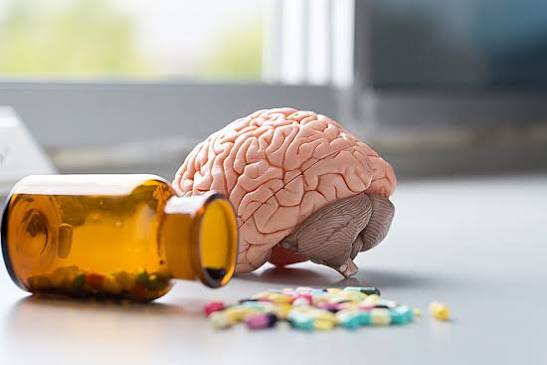
Over time, addiction changes the brain.
The brain becomes dependent on the substance, making it difficult for the individual to function without it.
Memory becomes impaired, motivation declines and productivity falls.
Eventually, addiction affects every organ of the body.
It can damage the liver, kidneys, lungs and heart. Some drugs increase the risk of suicide, while injectable drugs expose users to infectious diseases.
Drug addiction is progressive, disabling and potentially fatal.
Why do people begin using drugs?
There is no single cause.
Drug use is multifactorial.
Some people start out of curiosity.
Others are adventurous and want to experiment.
Peer pressure is another major factor.
Some begin after being introduced by friends or partners.
Others start while trying to cope with emotional distress, anxiety, depression or chronic pain. Some medications are initially prescribed for legitimate medical reasons, but people become dependent because they like the way the drugs make them feel.
What warning signs should parents watch out for?
Parents should pay close attention to sudden behavioural changes.
If a child suddenly becomes withdrawn, starts keeping unusual company, comes home late regularly, performs poorly in school or begins behaving strangely, these could be warning signs.
Parents should also watch for declining academic performance, loss of interest in previously enjoyable activities and unexplained changes in attitude.
The earlier these signs are recognised, the better the chances of successful intervention.
How important is the family’s role in prevention?
The family plays a critical role.
Parents must model healthy behaviour, maintain close relationships with their children and educate them continuously about the dangers of drug abuse.
Drug education should not be a one-time discussion. It should be continuous at home, in schools and within communities.
Children who experience trauma, abuse or neglect are also at greater risk of substance abuse, making early family support very important.
Where parents notice worrying signs, they should engage their children and seek professional help early rather than waiting for the problem to worsen.
Why are drugs so easily accessible to young people?
Drug trafficking is a global business.
There are always people looking for ways to make drugs available because there is financial gain.
That is why governments must strengthen regulation while communities, schools and families work together to reduce demand through education and prevention.
Can people recover from addiction?
Absolutely. Recovery is possible.
Recovery is not just about stopping drug use.
It is about rebuilding one’s life and returning to optimal functioning physically, mentally, socially and economically.
The journey can be difficult because many people struggle with denial, stigma and poor motivation to seek treatment.
However, with professional care, family support and community involvement, recovery is achievable.
Is addiction curable?
Addiction is a chronic medical condition.
It is treatable but requires lifelong management.
Like hypertension or diabetes, people can live healthy and productive lives when they adhere to treatment and maintain recovery.
The goal is to help people regain control of their lives and prevent relapse.
Does Nigeria have enough rehabilitation centres?
No. Nigeria does not have enough comprehensive addiction treatment and rehabilitation facilities.
Considering the millions of Nigerians living with substance use disorders, existing services are grossly inadequate.
What the country needs is not only more rehabilitation centres but also stronger rehabilitation programmes, community-based interventions, prevention services and long-term follow-up systems.
Treatment should go beyond detoxification to include psychological care, vocational rehabilitation, family support and relapse prevention.
What more should government do?
Government must move beyond developing policies to implementing them effectively.
Nigeria already has several policies on substance abuse prevention and treatment, but implementation remains weak because of poor political commitment and inadequate funding.
More investment is needed in prevention, early intervention, treatment services, rehabilitation, public education and research.
Addressing drug addiction requires a coordinated, multi-sectoral approach involving government, healthcare professionals, schools, families, religious institutions and communities.
Only through sustained commitment can Nigeria effectively reduce substance abuse and protect its young population from addiction.