By Chioma Obinna
Global cholera deaths rose by 30 percent in 2025, reaching their highest annual level reported to the World Health Organisation, WHO, since 1999, despite a decline in reported cases.
According to the latest WHO surveillance data published in the Weekly Epidemiological Record, 47 countries reported 451,499 cholera cases and 7,870 deaths to the agency in 2025.
The WHO cautioned that the figures do not represent the true global burden of cholera, as many infections and deaths go unreported.
Seven countries — Angola, Bangladesh, the Democratic Republic of the Congo, Nigeria, South Sudan, Sudan and Yemen — accounted for about 90 percent of reported cholera cases and deaths globally.
The African Region recorded the sharpest deterioration, with reported cases increasing by 34 percent and deaths by 58 percent compared with 2024.
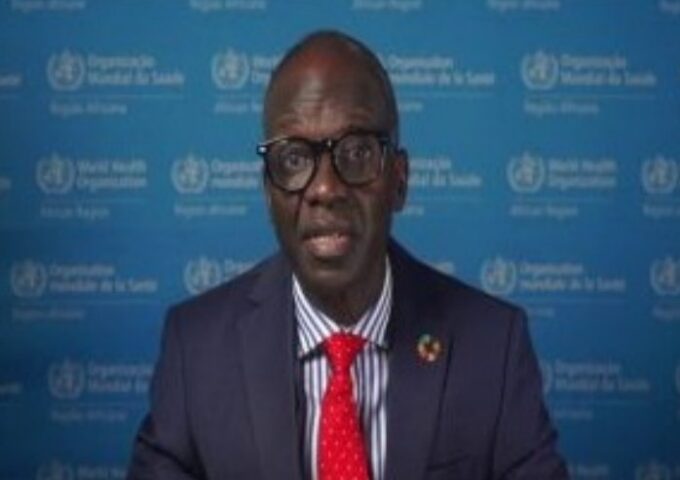
Reacting to the development, Executive Director of WHO’s Health Emergencies Programme, Dr Chikwe Ihekweazu, said the increase in deaths showed the urgent need to strengthen basic public health infrastructure and access to care.
“The rise in cholera deaths is a reminder of the challenge ahead,” Ihekweazu said.
He added: “No one should be dying from cholera today when we have the tools to prevent and treat this disease.
“The concentration of cases and deaths in a small number of countries shows where targeted investments in safe water, sanitation and hygiene could have the greatest impact.
“Combined with stronger disease surveillance, community engagement, vaccination and access to quality care, these investments can help turn this trend around.”
Cholera is an acute diarrhoeal disease caused by Vibrio cholerae bacteria and is mainly transmitted through food or water contaminated with faeces, particularly in communities without adequate access to safe water and sanitation.
Although preventable and treatable, cholera can become fatal when severe dehydration is not treated rapidly.
WHO said more than one in five reported cholera deaths occurred outside health facilities, suggesting that many patients are still reaching care too late.
However, among patients treated in health facilities, the global case fatality rate remained below one percent, which WHO considers a threshold for adequate clinical care. The rate nevertheless exceeded one percent in 12 countries in 2025.
Vaccine supply improves
The WHO report also highlighted progress in the availability of oral cholera vaccines.
Global production more than doubled between 2022 and 2025, rising from about 30 million to approximately 80 million doses annually.
In 2025, the International Coordinating Group on Vaccine Provision approved 71 million doses for use in affected countries, including 20 million doses for preventive vaccination.
Preventive vaccination resumed earlier this year after being suspended for more than three years.
Meanwhile, the WHO report recorded progress against bacterial meningitis, particularly in Africa’s meningitis belt, which stretches from Senegal to Ethiopia.
In 2025, 24 of the 26 countries in the region reported 21,526 suspected meningitis cases and 971 deaths, representing a fatality rate of 4.5 percent.
Among countries reporting data for both 2024 and 2025, suspected cases declined by 5.9 percent.
WHO said vaccination has dramatically reduced meningococcal meningitis, noting that since the introduction of the meningococcal A conjugate vaccine in 2010, serogroup A cases have fallen by more than 99 percent among vaccinated populations.
The report said no confirmed serogroup A case had been reported since 2017 in countries that introduced the vaccine.
A broader vaccine covering five meningococcal serogroups, Men5CV/MMCV, is now being introduced for outbreak response and preventive vaccination campaigns. Niger became the first country to conduct a nationwide campaign using the vaccine in 2025.
On plague, WHO reported that between 2019 and 2025, 10 countries notified the agency of suspected human plague cases, with six reporting confirmed infections.
During the period, 3,847 suspected cases and 423 deaths were reported, giving an overall case fatality rate of 11 percent.
Most cases occurred in the Democratic Republic of the Congo and Madagascar, where plague remains endemic in some areas.
WHO stressed that continued surveillance of rodents and other animal populations, coupled with rapid outbreak response, remains essential to detect plague early, interrupt transmission and prevent larger outbreaks.