By Desire Uzochukwu
Healthcare experts have blamed inadequate funding, poor service standards, shortage of specialists and limited access to advanced treatment for the growing number of Nigerians seeking medical care abroad, calling for urgent investment to rebuild confidence in the country’s health system.
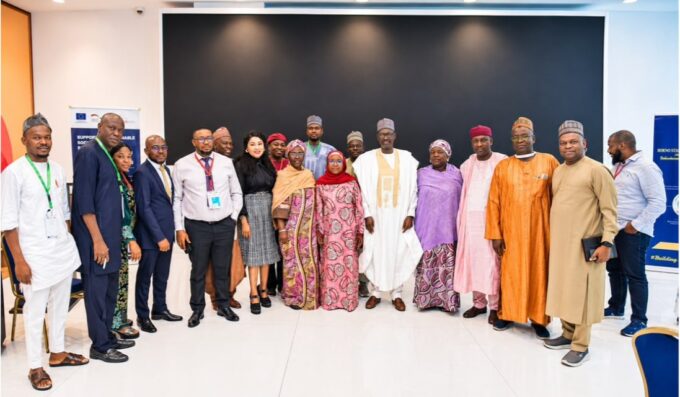
They made the call at the Business of Health Conference in Lagos on Saturday, where stakeholders examined ways to reverse medical tourism and position Nigeria as a destination for quality healthcare.
The conference was themed, “Reversing Medical Tourism: Building the Infrastructure That Brings the World to Nigeria for Care.”
Lagos State Commissioner for Health, Prof. Akin Abayomi, said providing sophisticated medical facilities without ensuring that patients could afford treatment would undermine the sustainability of healthcare investments.
“You can have a very sophisticated care delivery system, but if you cannot pay for that health, then that supply side or that care delivery side will struggle, and it may eventually go into economic hardship and collapse,” he said.
Abayomi linked the migration of healthcare professionals to difficult working conditions, excessive workloads and financial pressures confronting healthcare providers.
He said Lagos was investing in modern hospitals, attracting private sector investment and establishing a University of Medicine and Health Sciences to strengthen the healthcare workforce.
He also identified health insurance expansion as critical to improving access to treatment and ensuring sustainable financing.
The commissioner disclosed that Lagos was preparing to advance mandatory health insurance coverage following its adoption of the National Health Insurance Authority Act through an executive order in July 2024.
The conference convener and Founder of Luxe Dental Clinic, Dr. Funmi Adeniyi, said the exodus of healthcare professionals was making it increasingly difficult for private facilities to expand their services.
She recalled that her efforts to grow her dental practice were frustrated by difficulties in recruiting and retaining qualified personnel, many of whom were preparing to relocate abroad.
She said discussions with medical students also revealed that many were more interested in leaving Nigeria than building careers locally.
Adeniyi urged government to bridge healthcare funding gaps by mobilising private investors, banks, insurance companies, wealthy individuals and international foundations.
“The government is actually doing a lot. If we’re being fair, they’re creating policies, but perhaps there is a gap of funding that we need to close,” she said.
She also challenged healthcare professionals to develop affordable services and embrace business skills to tap into opportunities within Nigeria’s large population.
“My message to everyone is: it’s time to build. Let’s build healthcare in Nigeria, and let’s learn business so that we can grow,” she said.
Vice-Chancellor of the University of Lagos, Prof. Folasade Ogunsola, urged young professionals to see the country’s healthcare challenges as opportunities to develop solutions and create value.
“Nigeria is tough, no doubt about it. But it’s also a land of opportunity because it means that there are many things that you can change, much value that you can add, and money changes value,” she said.
Ogunsola identified poor patient relations and weak accountability as additional factors eroding public confidence in hospitals.
She said patients needed compassionate treatment, reassurance and clear communication, alongside clinical competence.
She called for enforceable healthcare standards, standard operating procedures and stronger accreditation requirements, insisting that facilities failing to meet established standards should be held accountable.
President of the Healthcare Federation of Nigeria, Njide Ndili, said inadequate capital, limited specialisation and gaps in advanced treatment options were also pushing Nigerians abroad.
She noted that patients requiring specialised services, including cancer treatment and complex surgeries, often travelled overseas because of limitations in local capacity.
Ndili called for sustained investment in medical equipment, specialised facilities and professional training, urging private healthcare operators to take greater responsibility for developing the sector.
“As private sector, let’s figure out where the problems are: if it’s capital, let’s help you look for capital. If it’s training, let’s help you build capacity,” she said.
She stressed that healthcare delivery required collaboration among doctors, pharmacists, laboratory scientists, radiologists and other professionals.
The experts maintained that reversing medical tourism would require a comprehensive approach encompassing sustainable funding, affordable healthcare, specialised services, improved patient experience, enforceable standards and better conditions for healthcare workers.