By Joyce Eke
Worried by the health, safety and economic consequences of alcohol consumption, the Federal Government has unveiled a five-year national action plan to tighten alcohol control, curb illicit trade and reduce alcohol-related harm across the country.
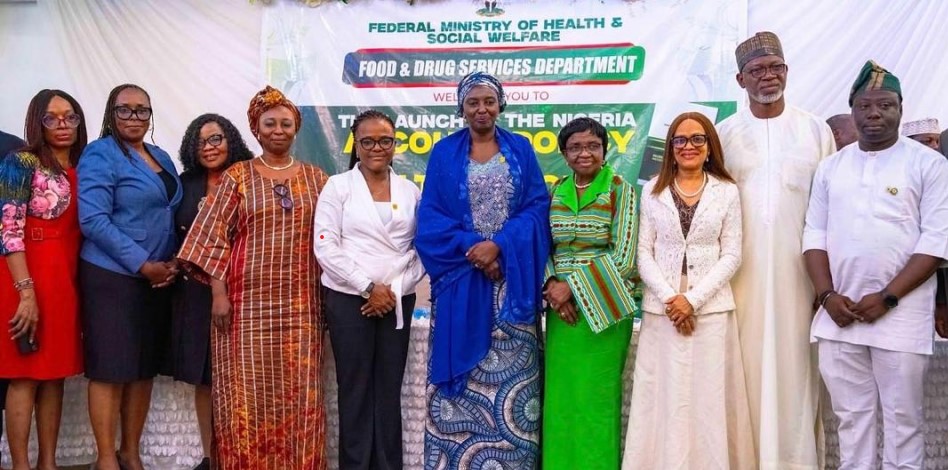
The Nigeria Alcohol Policy and Multisectoral Implementation Plan 2026–2030, launched yesterday in Abuja, seeks coordinated action by government agencies, industry and civil society on responsible marketing, age restrictions, drink-driving, public education, treatment and rehabilitation.
The Coordinating Minister of Health and Social Welfare, Prof Muhammad Pate, represented by the Permanent Secretary, Daju Kachollom, said alcohol-related harm had become too broad an issue to be tackled by the health sector alone, insisting that Nigeria needed a coordinated national response with clear responsibilities and measurable outcomes.
“Alcohol policy is a challenge extending beyond the health sector to public health, economic development and good governance. Nigeria cannot address alcohol-related harm through fragmented interventions,” Pate said.
The minister cited latest available World Health Organisation data showing that Nigeria’s total alcohol consumption stood at 3.2 litres of pure alcohol per person aged 15 and above in 2024.
He also cited Federal Road Safety Corps figures showing that 9,570 road traffic crashes were recorded nationwide in 2024, resulting in 5,421 deaths, with driving under the influence recognised as a contributor to road crashes.
Of particular concern to the government is the scale of illicit alcohol trading. Pate, citing industry estimates from the Spirits and Wines Association of Nigeria based on a 2024 Euromonitor survey, said illicit spirits and wines accounted for about 40 per cent of the market, with estimated annual government revenue losses exceeding N428 billion.
The policy is anchored on four pillars: harm reduction and health promotion; industrial and economic development; multisectoral coordination and governance; and monitoring, evaluation and accountability.
The framework is expected to strengthen public awareness of alcohol-related risks while promoting responsible industry practices and improving access to services for people affected by harmful alcohol use.
In her welcome address, delivered by the Director, Food and Drugs Services, Dr Olufowubi-Yusuf Adeola, the Permanent Secretary described the policy as a significant milestone in the Federal Government’s efforts to strengthen health governance and promote sustainable national development.
She urged stakeholders to move from policy formulation to implementation, calling on traditional and religious leaders, civil society organisations and the media to support public education and community-level action.
Director-General of the National Agency for Food and Drug Administration and Control, NAFDAC, Prof Mojisola Adeyeye, commended the Federal Government for establishing a clear policy direction on alcohol control.
Adeyeye reaffirmed NAFDAC’s commitment to science-based regulation, monitoring, surveillance and stakeholder engagement.
She also reaffirmed the ban on the sale of alcohol in sachets and containers below 200 millilitres.
The policy implementation plan brings together key government institutions, including the Ministries of Finance and Industry, Trade and Investment, Nigeria Customs Service, Federal Road Safety Corps, National Drug Law Enforcement Agency, Nigerian Correctional Service and Association of Local Governments of Nigeria, among others.
The stakeholders pledged to work together to ensure effective implementation of the 2026–2030 plan.
The Federal Government said the policy aligns with the Renewed Hope Agenda of President Bola Tinubu, the Nigeria Health Sector Renewal Investment Initiative, the African Union Agenda 2063, the Sustainable Development Goals and relevant WHO frameworks.
The Ministry of Health and Social Welfare said it would work with government institutions, industry and civil society to translate the policy into measurable improvements in alcohol control and public health.