By Daniel Kudayah
The Federal Government has called for increased investment in radiopharmaceutical therapy and radiotheranostics as part of efforts to expand access to precision cancer care and reduce the need for Nigerians to seek specialized treatment abroad.
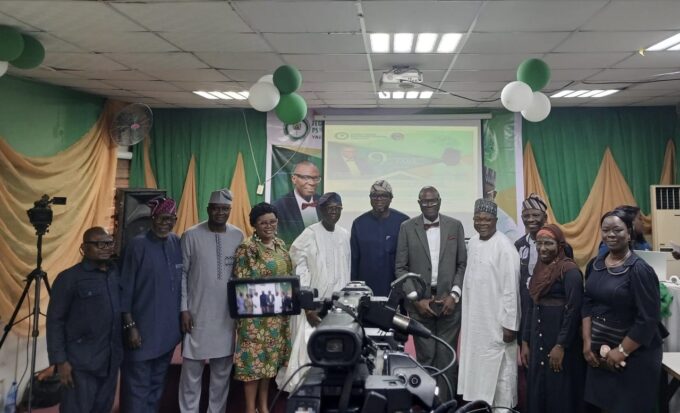
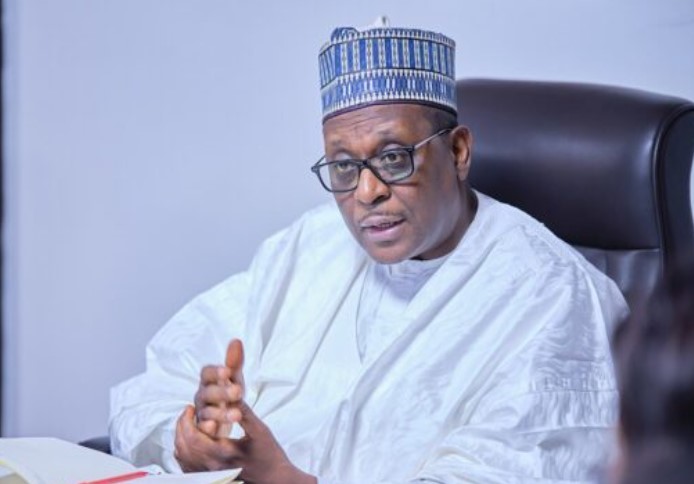
Minister of State for Health and Social Welfare, Iziaq Salako, made the call at the 2026 International Symposium on Radiopharmaceutical Therapy hosted by Love world Medical Centre, Lagos, where cancer specialists and other stakeholders examined emerging approaches to diagnosing and treating cancer.
Salako said Nigeria must strengthen investment in research, specialized infrastructure and human capacity if the country is to safely adopt and expand advanced cancer treatment technologies.
He also stressed the need for stronger collaboration with international organizations to facilitate technology transfer and build the technical capacity required to provide radiopharmaceutical services.
According to him, expanding access to advanced cancer treatment requires more than acquiring equipment, stressing that Nigeria must develop the expertise and systems needed to operate the technologies safely and effectively.
Radiopharmaceutical therapy involves the use of radioactive substances to target and destroy cancer cells, while radiotheranostics combines molecular imaging and targeted radionuclide therapy to identify tumours with specific biological characteristics and subsequently deliver treatment to those targets.
Experts at the symposium said radiotheranostics is increasingly being used to advance personalized cancer care because it can help clinicians identify patients who are most likely to benefit from targeted radioactive treatment.
They explained that the approach allows diagnosis and treatment to be more closely linked, potentially improving treatment selection and reducing unnecessary exposure to therapies that may not benefit a particular patient.
The experts, however, identified affordability as a major barrier to access, noting that the cost of cancer care extends beyond medical bills.
Cancer patients and their families may also face substantial expenses related to transportation, accommodation and prolonged hospital stays, particularly when specialized services are available only in a few locations.
Stakeholders therefore called for policies that address both the clinical and non-medical costs of cancer treatment to ensure that advances in technology translate into meaningful access for patients.
Love world Medical Centre, which hosted the symposium, is among institutions involved in efforts to expand access to advanced cancer treatment in Nigeria.
With Nigeria facing a growing cancer burden, stakeholders said sustained investment in radiopharmaceuticals, specialized equipment, research, skilled personnel and patient-support systems would be critical to strengthening cancer care.
They stressed that developing advanced cancer treatment capacity locally could improve outcomes, expand treatment options and reduce the number of Nigerians compelled to travel abroad in search of specialized care.
For Nigeria, the challenge is now to move from discussions about precision oncology to building the infrastructure, workforce and financing systems needed to make advanced cancer treatment safely and affordably accessible to more patients.