By Edtor
The Human Rights Writers Association of Nigeria (HURIWA) has challenged the Independent National Electoral Commission (INEC), Economic and Financial Crimes Commission (EFCC) and Independent Corrupt Practices and Other Related Offences Commission (ICPC) to investigate reports that President Bola Tinubu’s campaign machinery is producing 40,000 customised tablets in China for political mobilisation ahead of the 2027 presidential election.
The rights group demanded public disclosure of the cost, funding sources and financial arrangements for the reported project, warning against the growing influence of money and material inducements in Nigeria’s electoral politics.
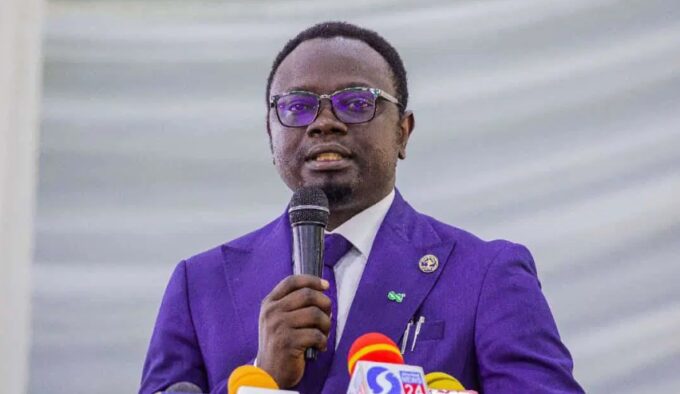
In a press statement signed by its National Coordinator, Comrade Emmanuel Nnadozie Onwubiko,, HURIWA questioned whether the tablets were being financed by private political donors or public resources.
The association said the reported devices would carry campaign messages in English, Yoruba and Hausa before distribution among supporters, raising questions about the scale and purpose of the planned mobilisation.
It asked: “Who is paying for these 40,000 tablets? How much will their production and distribution cost? Is the money coming from private political donors or public resources? Who authorised the project, and who will account for the expenditure?”
HURIWA described the reported plan as troubling amid widespread economic hardship and the Federal Government’s continued reliance on borrowing to finance public expenditure.
The group questioned the apparent contrast between the reported capacity to fund an elaborate political mobilisation exercise and the administration’s borrowing to meet national obligations.
It warned that the 2027 elections must not be dominated by expensive gifts, vehicles and material inducements at the expense of policy debates, accountability and fair democratic competition.
“Nigeria is not a private estate, public funds are not campaign war chests, and INEC must not surrender its constitutional responsibility to powerful political interests,” the association declared.
HURIWA urged INEC to publish its campaign expenditure monitoring framework, deploy monitoring mechanisms and begin tracking the financial activities of political parties and candidates before the elections.
It argued that the electoral commission should not wait until after the polls to scrutinise campaign spending, insisting that financial disclosures and enforcement of statutory spending limits must begin early.
The group also challenged the EFCC and ICPC to examine credible evidence relating to the sources of campaign funds, procurement of expensive campaign materials and any possible diversion of public resources.
HURIWA cautioned that the distribution of expensive gifts or other benefits to influence voters could constitute electoral malpractice, depending on the circumstances, and called for investigations where credible evidence of vote buying or unlawful inducement exists.
It further urged the All Progressives Congress (APC) and Tinubu’s campaign organisation to publicly clarify the reported project’s funding, cost and compliance with electoral and financial regulations.
The association stressed that no public official or political organisation should deploy taxpayers’ money for partisan campaigns, demanding a transparent investigation if evidence emerges that public funds, government facilities or state resources were used to support the reported initiative.
HURIWA said the 2027 presidential election must not become an auction in which financial muscle determines the political future of Nigerians.