By Destony Obinna
Nigeria has recorded 1,104 confirmed cases of Lassa fever and 259 deaths across 24 states and 119 Local Government Areas, LGAs, in the first 37 weeks of 2026, with the case fatality rate rising to 23.5 per cent from 18.5 per cent recorded during the corresponding period in 2025.
The Nigeria Centre for Disease Control and Prevention, NCDC, disclosed this in its Lassa Fever Situation Report for epidemiological week 37, covering September 7 to 13, 2026, raising fresh concerns over the rising proportion of confirmed cases ending in death.
According to the report, Nigeria recorded 8,098 suspected cases, six probable cases and 259 deaths among confirmed cases between epidemiological week one and week 37.
The agency also reported 17 new confirmed cases during the week under review, compared with 12 cases in the preceding week, with the new infections recorded in Ondo and Taraba states.
The rising fatality rate comes amid persistent challenges, including late presentation of patients at health facilities, high treatment costs, poor environmental sanitation and low awareness of preventive measures in high-burden communities.
The NCDC identified these factors, alongside infections among healthcare workers, as major obstacles to controlling the outbreak.
Ondo, Bauchi lead infections
The report showed that five states accounted for 88 per cent of all confirmed Lassa fever cases recorded in 2026.
Ondo State accounted for 35 per cent of confirmed cases, followed by Bauchi with 24 per cent, Taraba with 12 per cent, Edo with 11 per cent and Benue with six per cent. The remaining 12 per cent were reported from 18 other states.
The NCDC said people aged 21 to 30 years were the most affected, while the ages of confirmed patients ranged from one to 93 years, with a median age of 30.
It added that the male-to-female ratio among confirmed cases was 1:0.9, indicating a nearly equal distribution between both sexes.
Although no new healthcare worker infection was recorded during week 37, the cumulative number of healthcare workers affected by the disease in 2026 stood at 54.
The agency disclosed that 845 cases had been managed at treatment centres.
49 contacts test positive
On contact tracing, the NCDC said 2,037 contacts had been listed cumulatively, with 132 still under follow-up and 1,902 having completed the monitoring period.
It added that 110 contacts had developed symptoms, of whom 49 tested positive for Lassa fever.
The figures underscore the need for sustained surveillance, early detection and prompt isolation and treatment of suspected cases to limit further transmission.
NCDC deploys rapid response teams
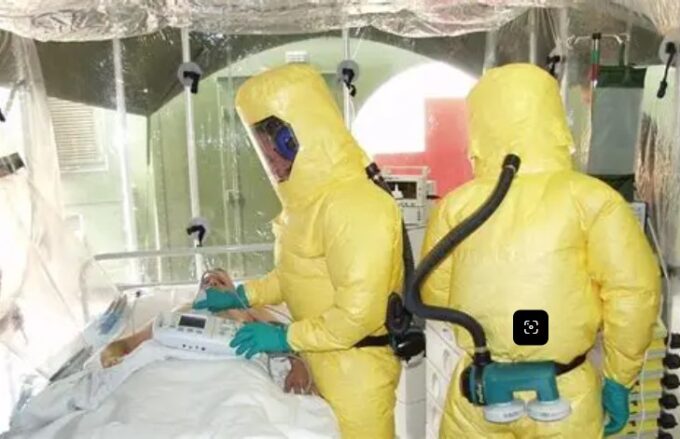
To strengthen the national response, the NCDC said it had deployed National Rapid Response Teams to seven high-burden states, while prepositioning personal protective equipment and supplying infection prevention and control commodities and drugs to treatment facilities.
The agency also said it had developed a 30-day Healthcare Worker Protection Plan to reduce infections among frontline health workers in endemic states, with support from the World Health Organisation, WHO, and the United States Centers for Disease Control and Prevention.
Other interventions included training frontline healthcare workers, supporting active case searches and contact tracing, strengthening state infection prevention and control programmes, conducting risk assessments and disseminating updated guidelines and standard operating procedures.
The NCDC said incident management systems had also been activated in Benue, Plateau, Kebbi, Kano and Gombe states, while integrated case management training was being supported in Taraba State.
NCDC warns against late presentation
Despite these interventions, the agency said late presentation of cases and poor health-seeking behaviour, partly linked to the high cost of treatment and clinical management, remained major challenges.
It also identified poor environmental sanitation, low awareness in communities with high disease burdens and infections among healthcare workers as factors hampering efforts to contain the outbreak.
The NCDC urged state governments to intensify year-round community engagement on Lassa fever prevention and strengthen their capacity to prevent, detect and respond promptly to outbreaks.
It called on healthcare workers to maintain a high index of suspicion for the disease, ensure timely referral and treatment of suspected cases, and strictly adhere to standard infection prevention and control procedures.
The agency stressed that sustained community awareness, early presentation at health facilities and strict adherence to infection prevention measures remained essential to reducing deaths and containing the spread of Lassa fever.