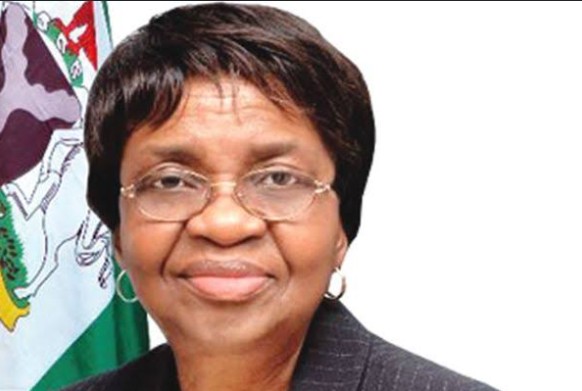
By Desire Uzochukwu
As Nigeria marks its 66th Independence Anniversary, the Down Syndrome Foundation Nigeria, DSFN, has urged President Bola Tinubu’s administration to translate the country’s years of independence into concrete action, transparency and deliberate inclusion of vulnerable citizens.
The Chief Executive Officer of DSFN, Mrs. Rose Mordi, made the call in Lagos, saying the anniversary provided an opportunity to assess whether Nigeria’s development was translating into dignity, opportunity and improved quality of life for all citizens.
Mordi particularly called for stronger and more inclusive healthcare policies for persons with intellectual and developmental disabilities, including people living with Down syndrome.
She said access to healthcare should go beyond the availability of services to address affordability, early intervention, specialist care, rehabilitation, appropriate support systems and continuity of care.
“Now that we have come of age, we urge the government of the day to play an open card with Nigerians. Citizens deserve clear communication, transparency and meaningful engagement on policies and decisions that directly affect their lives,” she said.
“We therefore call for stronger, inclusive and deliberate healthcare policies that respond to the realities of ordinary Nigerians, with particular attention to persons with intellectual and developmental disabilities, including people with Down syndrome.
“Healthcare planning must go beyond general access to ensure affordability, early intervention, specialist services, rehabilitation, appropriate support systems and continuity of care.”
According to Mordi, the benefits of national development must extend to marginalised groups, particularly persons with intellectual and developmental disabilities, who often face barriers to healthcare and other essential services.
She said Nigeria’s 66 years of independence should be an opportunity to deepen efforts towards social equity and equal opportunity.
“At 66, Nigeria must continue to build a nation where independence means more than freedom from colonial rule; it must mean freedom from exclusion, neglect and barriers to opportunity,” Mordi said.
She argued that national independence should be reflected not only in political sovereignty but also in the ability of citizens, regardless of their circumstances, to access essential services and participate meaningfully in society.
Mordi said DSFN would continue to engage policymakers, government agencies and other stakeholders to make inclusion a measurable component of Nigeria’s national development agenda.
The medical outreach was part of activities marking 25 years of DSFN’s advocacy and its October awareness campaign, aimed at promoting greater public understanding, acceptance and support for people with Down syndrome and other intellectual and developmental disabilities.