By Chidimma Oparaochaekwe
Nigerian neurosurgeons have called for urgent investment in specialist healthcare infrastructure, improved working conditions and stronger emergency medical services to address the shortage and uneven distribution of neurosurgeons in the country and improve access to life-saving treatment.
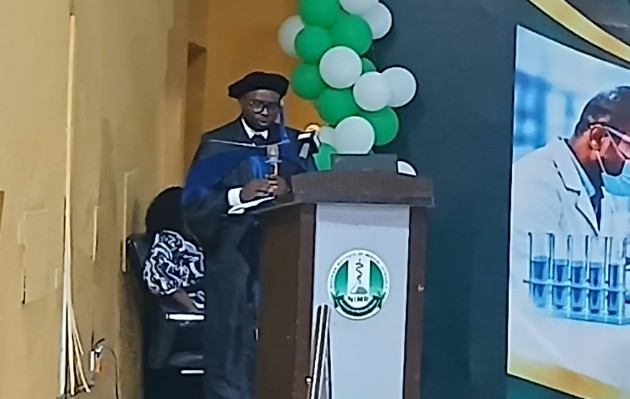
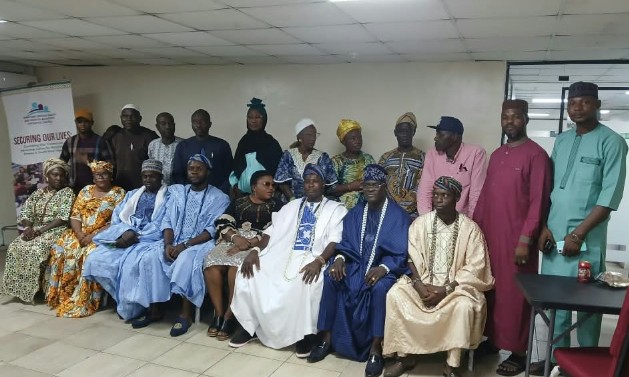
The call was made at the 16th Scientific Conference and Annual General Meeting of the Nigerian Academy of Neurological Surgeons (NANS), Lagos Branch, held in Lagos.
The conference brought together local and international neurosurgeons, researchers and other health professionals to share scientific findings, discuss developments in the specialty and explore practical ways of improving the availability, quality and affordability of neurosurgical services in Nigeria.
Speaking on the theme, “Neurosurgery Beyond Boundaries: Expanding Access and Advancing Excellence,” the President of NANS, Professor Nasiru Jinjiri Ismail, said it was chosen to reflect the need to translate global advances in neurosurgery into better healthcare services for Nigerians, particularly people in underserved communities.
He explained that expanding access meant ensuring that patients could receive timely and life-saving neurosurgical care regardless of their location, while advancing excellence required maintaining high clinical, ethical and academic standards and embracing innovation within the country’s healthcare realities.
“Expanding access means ensuring that timely, life-saving neurosurgical care reaches underserved communities across every region of our nation.”
Professor Ismail said the scientific sessions, hands-on workshops and plenary discussions were designed to examine subspecialisation, digital health, regional collaboration and sustainable health financing as ways of improving access to quality neurosurgical care.
He highlighted the Academy’s progress in strengthening residency training in collaboration with postgraduate medical colleges, advocating for critical neurotrauma and neuro-oncology infrastructure and building international partnerships.
“As we convene for our 16th AGM, we remain proud of our collective progress in strengthening residency training with the postgraduate medical colleges, advocating for critical neurotrauma and neuro-oncology infrastructure, and building enduring international partnerships.”
Tracing the development of neurosurgery in Nigeria, Professor Ismail said the first neurosurgical unit was established at the University College Hospital, Ibadan, in 1962, followed by units at the Lagos University Teaching Hospital in 1968 and the University of Nigeria Teaching Hospital, Enugu, in 1974. NANS was inaugurated in April 2006.
He said the number of accredited neurosurgical training centres had increased from five to more than 13, while initiatives such as the Young Nigerian Neurosurgeons Forum and Women in Neurosurgery Nigeria had strengthened professional development and participation in the specialty.
He also identified advances in procedures such as endoscopic skull base surgery, microsurgical tumour resection, endoscopic third ventriculostomy and complex spinal fixation as evidence of the progress made in the field.
Despite these achievements, he identified the migration of Nigerian-trained neurosurgeons, inadequate equipment and diagnostic facilities, high out-of-pocket healthcare costs and the uneven distribution of specialist centres as major challenges.
According to him, about 35 to 40 per cent of Nigerian-trained neurosurgeons practise abroad, leaving between 110 and 120 specialists in the country. He added that the concentration of neurosurgical centres in the South-West, South-East and North-Central regions had left parts of the North-East with limited access to specialist services.
To address the challenges, Professor Ismail called for wider health insurance coverage for emergency neurotrauma, hydrocephalus, spina bifida and essential neuro-oncology services. He also advocated improved remuneration and working conditions to retain specialists, more local subspecialty training opportunities and the development of regional neurosurgical centres, particularly in underserved areas.
Earlier, the Chairman of the Local Organising Committee and Consultant Neurosurgeon at the Lagos University Teaching Hospital, Dr Omotayo Ojo, said neurosurgery in Nigeria had progressed considerably from a period when only a few specialists were available and treatment largely focused on basic procedures for infections and trauma.
He noted that Nigerian neurosurgeons could now perform more complex procedures, adding that the next stage of development should focus on standardising practice, strengthening research and innovation, measuring treatment outcomes and promoting collaboration among neurosurgical centres.
“We have reached a point where we can perform virtually all the neurosurgical procedures being carried out elsewhere in the world.”
He explained that the workshops and training sessions were intended to improve practitioners’ skills, make procedures safer and more affordable, and strengthen the availability of specialised services across the country.
In a goodwill message, the Provost of the Lagos State University College of Medicine, Professor Olufemi Idowu, who was among the neurosurgeons present at the Academy’s inaugural meeting in Ibadan in 2006, commended NANS for its growth and the emergence of a new generation of specialists.
He said the conference was timely, considering the rapid changes in medical technology and the need to develop neurosurgical services that respond to Nigeria’s healthcare needs.
“Platforms like NANS remain vital for interrogating our local clinical realities, harmonising our training standards, and fostering the multidisciplinary collaborations needed to improve neurosurgical outcomes across the nation and the wider West African sub-region.”
Professor Idowu reaffirmed the commitment of LASUCOM to medical education, translational research and the development of specialist surgical capacity. He stressed the importance of collaboration among academic institutions and healthcare professionals in improving patient outcomes.
In a presentation titled, “Pre-hospital Care and Outcomes in Moderate-to-Severe Traumatic Brain Injury in Lagos, Nigeria,” Dr John Ajuzie examined the care patients received before arriving at the hospital, including their rescue methods, means of transportation and the time taken to reach medical facilities.
The study involved 101 patients aged between 16 and 65 who presented within 24 hours of sustaining moderate-to-severe traumatic brain injuries. It found that 62.4 per cent had moderate injuries, while 37.6 per cent had severe injuries, with road traffic crashes identified as the leading cause.
The findings showed that only 26.7 per cent of the patients received pre-hospital care, while most were rescued by bystanders. The presentation highlighted the need to strengthen emergency medical services, train first responders and establish coordinated procedures for managing and transporting people with serious head injuries.
Another scientific presentation by Dr Achebe Ezugwu, titled, “Radiological Predictors of Post-Operative Recurrence of Chronic Subdural Haematoma,” examined the distribution of radiological findings in patients with the condition and their possible relevance to recurrence after surgery.
The study identified three main radiological categories, labelled H1, H2 and H3, alongside other recorded findings. The H pattern was found to be the most common among the patients.
It also examined the age distribution of the patients, showing that the condition was more frequently observed among older adults, particularly those in their 50s and 60s. Other associated risk factors, including hypertension, were considered, while the findings were compared with observations from other centres internationally.
The conference highlighted the need to bridge the gap between advances in neurosurgical practice and the realities of healthcare delivery in Nigeria.
Ultimately, the progress of the specialty will be measured not only by the complexity of procedures Nigerian neurosurgeons can perform, but also by how many lives can be reached and saved through timely and effective treatment.
- NANS
- Neurosurgery Beyond Boundaries: Expanding Access and Advancing Excellence
- Nigerian Academy of Neurological Surgeons
- Nigerian neurosurgeons
- President of NANS
- Professor Nasiru Jinjiri Ismail
- specialist healthcare infrastructure
- stronger emergency medical services
- underserved communities
- working conditions