By Desire Uzochukwu
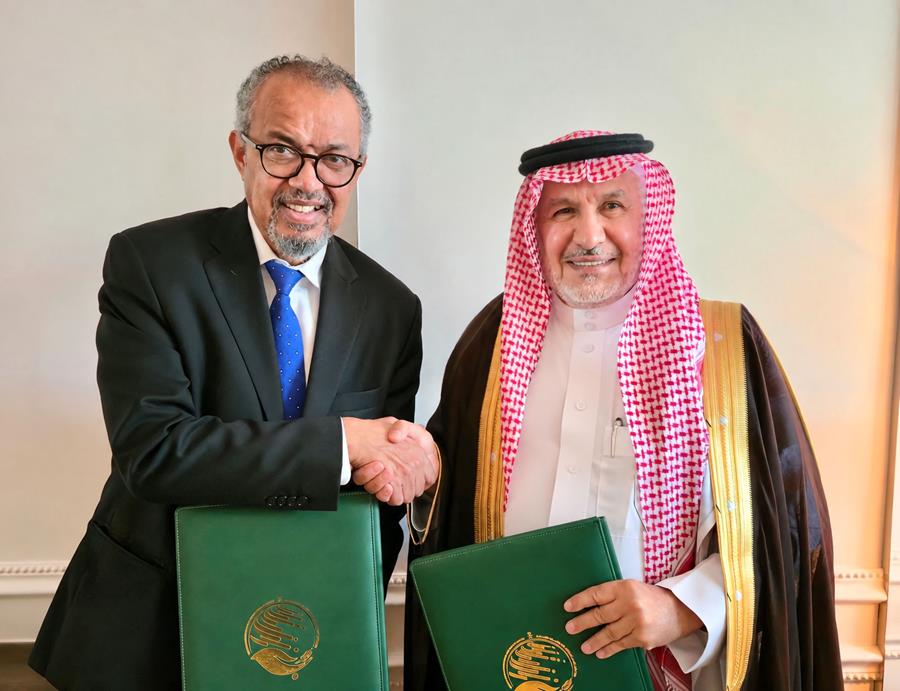
The World Health Organisation, (WHO) and the King Salman Humanitarian Aid and Relief Centre, KSrelief, have signed a $1.55 million agreement to provide life-saving nutrition and medical care to 18,282 children under five suffering from severe acute malnutrition with medical complications in Yemen.
Under the 12-month intervention, WHO will procure and distribute 402 paediatric and severe acute malnutrition, PED/SAM, kits to 35 therapeutic feeding centres, TFCs, across priority areas of the country.
The kits will provide essential medicines, medical supplies and equipment needed to treat children whose severe malnutrition has developed potentially life-threatening medical complications.
The intervention will cover Abyan, Aden, Al Dhale’e, Al Mahrah, Al Mukalla, Lahj, Marib, Seiyun, Shabwah, Socotra and Taiz, strengthening the capacity of the supported centres to provide free inpatient treatment to some of Yemen’s most vulnerable children.
Malnutrition remains a major threat to child survival in Yemen, where children with severe acute malnutrition and medical complications require specialised inpatient care and rapid access to appropriate medicines and supplies.
Speaking on the partnership, the Supervisor General of KSrelief, Dr Abdullah Al Rabeeah, said the intervention would help vulnerable children recover and improve their prospects for the future.
“We are pleased to work with our valuable partner WHO to protect and improve the lives of children in Yemen who are suffering,” he said.
“These therapeutic medical interventions, including medicines, equipment and other needed supplies, will help children with severe acute malnutrition to recover and to have the best possible chance for a bright future.”
WHO Representative to Yemen, Dr Syed Jaffar Hussain, said the intervention came at a critical time for children and families in the country.
“This new partnership with KSrelief comes at a critical time for children and families in Yemen. By ensuring therapeutic feeding centres have the medicines, supplies and equipment they need, we can help health workers provide timely, quality care to children facing severe acute malnutrition and potentially life-threatening medical complications,” he said.
Hussain expressed appreciation to KSrelief for its continued partnership and support for vulnerable children.
Under the agreement, the PED/SAM kits will contain commonly used oral and injectable paediatric medicines, intravenous fluids, essential medical supplies and equipment.
WHO said distribution to the supported facilities would be based on caseload and utilisation rates, in coordination with Yemen’s Ministry of Public Health and Population.
The project will also strengthen monitoring of nutrition services and the availability and use of essential supplies.
WHO will work with national and local health authorities and supported facilities to monitor implementation, verify deliveries and help ensure that the supplies reach the facilities and children for whom they are intended.
The agreement builds on the ongoing partnership between WHO and KSrelief to sustain essential health and nutrition services in Yemen.
According to WHO, maintaining access to treatment for severe acute malnutrition with medical complications will help reduce preventable illness and deaths among children under five while strengthening the resilience of Yemen’s health system.