By Joyce Ekeh
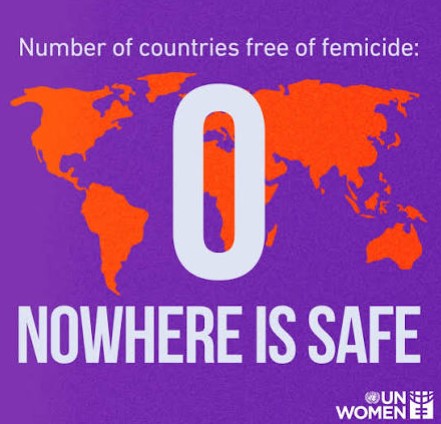
Africa recorded the highest rate of femicide globally in 2025, with an estimated 22,100 women and girls killed by intimate partners or other family members, a United Nations report has revealed.
The figure represents nearly half of the estimated 47,000 women and girls killed by partners or family members worldwide during the year, highlighting the scale of gender-based violence across the continent.
The report, Femicides in 2025, jointly produced by the United Nations Office on Drugs and Crime (UNODC) and UN Women, put Africa’s femicide rate at 2.9 deaths per 100,000 female population, more than twice the global rate of 1.1.
The rate was also higher than those recorded in the Americas, 1.4; Oceania, 1.1; Asia, 0.6; and Europe, 0.5.
Globally, the report estimated that about 129 women and girls were killed every day by their intimate partners or other family members in 2025.
It further disclosed that 60 per cent of the approximately 78,000 women and girls intentionally killed worldwide during the year were murdered by current or former intimate partners or other family members, including fathers, uncles, mothers and brothers.
The report, however, cautioned that the regional estimates should be interpreted carefully because of persistent gaps in national data, particularly in Africa, Asia and Oceania. The figures are estimates based on available information, with missing country-level data imputed.
It also warned against interpreting the lower global estimate of 47,000 in 2025, compared with 50,000 in 2024, as evidence that femicides had declined, explaining that the difference largely reflected improvements in data availability.
According to the report, the home remains the most dangerous place for women and girls in terms of homicide risk because intimate partners and family members account for the majority of their intentional killings.
It identified a history of violence, previous threats, stalking, coercive control, access to firearms and actual or imminent relationship separation among factors associated with the escalation of intimate partner violence into lethal attacks.
The report cited research from Brazil which reviewed 34 femicide cases and found that all the victims had experienced violence before they were killed, but fewer than a quarter had reported the abuse to the police.
It noted that none of the victims or perpetrators in the cases had been referred to monitoring patrols or psychosocial services, underscoring gaps in early intervention and protection.
The UN agencies stressed the need for stronger legal frameworks, improved access to justice, coordinated risk assessments and effective protection services to prevent violence from escalating into killings.
The report also highlighted the importance of strengthening data collection to identify vulnerable groups and understand the circumstances surrounding gender-related killings.
It said that femicide prevention required coordinated action across the police, justice, health and social service systems, including timely identification of warning signs and effective enforcement of protection measures.
The report warned that the problem was rooted in discriminatory social norms, gender stereotypes, inequality and unequal power relations between women and men, making sustained action necessary to address its underlying causes.