By Destiny Obinna
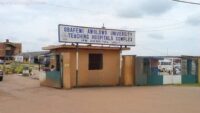
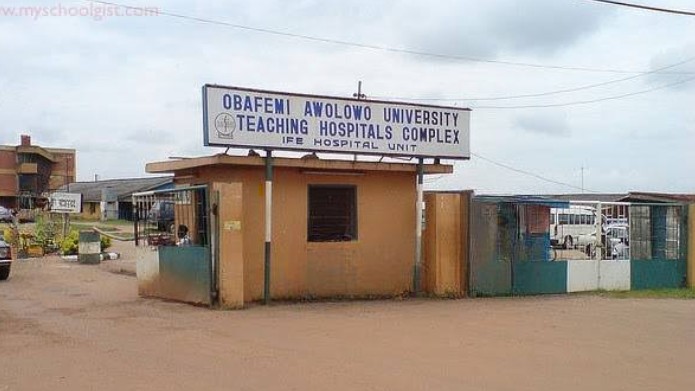
The Federal Government has allocated N2.1 billion to the Obafemi Awolowo University Teaching Hospitals Complex (OAUTHC), Ile-Ife, Osun State, for the revival of its renal replacement programme, the hospital’s Chief Medical Director, Professor John Okeniyi, has disclosed.
Okeniyi made this known during the grand finale of the hospital’s 50th anniversary celebration, held at the hospital complex in Ile-Ife on Thursday.
He said the funding was part of President Bola Tinubu’s Renewed Hope Agenda for the health sector and expressed optimism that its effective utilisation would restore the hospital’s renal programme and strengthen its capacity to provide kidney care services.
The CMD said the intervention would enable the hospital to resume its renal replacement programme, which is expected to improve access to kidney treatment for patients.
He said, “I would also like to thank President Bola Tinubu because we have up to N2.1 billion appropriated for our renal programme. By the time we do this and get the money, I believe the renal replacement programme will be fully back. That is part of the Renewed Hope Agenda.”
Meanwhile, former Osun State Deputy Governor, Senator Iyiola Omisore, called for greater support for healthcare initiatives, stressing the importance of investing in programmes that improve people’s health and save lives.
Omisore described healthcare as essential to human existence and urged individuals and other stakeholders to support initiatives capable of making meaningful differences in people’s lives.
“What I am trying to emphasise is that health is essential to life. That is why I consider this initiative important. I try to support causes that people will appreciate and that will make a meaningful difference in their lives. That is the reality of healthcare institutions and the importance of their services,” he said.
Also speaking, Mr Seyi Tinubu, who was represented by the Chairman of the Tinubu/Shettima Grassroots Mobilisation, Lawal Umar, said healthcare achievements should be measured by their impact on ordinary Nigerians rather than policies and infrastructure alone.
He said access to medical care, affordable medicines and successful treatment should remain central to assessing improvements in the country’s healthcare system.