By Destiny Obinna
The Lagos State Government has raised concerns over gaps in HIV testing and treatment coverage, despite recording significant progress in antiretroviral therapy, as a new survey shows that only 58.3 per cent of people living with HIV know their status.
The 2025–2026 Antiretroviral Therapy (ART) Impact Survey also revealed that 93.4 per cent of people who know their HIV status are receiving treatment, while 88.9 per cent of those on treatment have achieved viral load suppression.
The findings underscore the need to intensify HIV testing, identify undiagnosed cases and ensure that more people living with the virus are linked to treatment and retained in care.
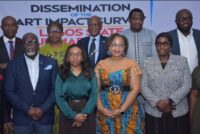
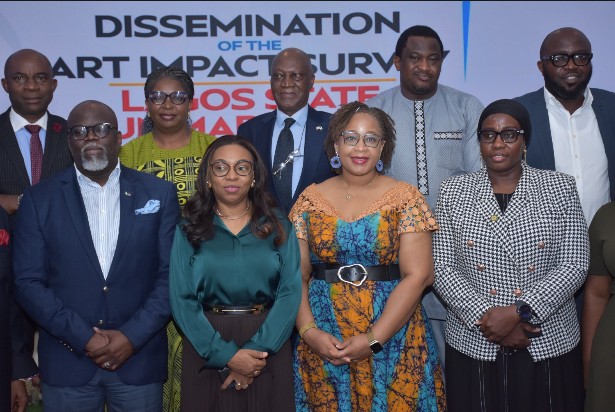
The survey results were presented on Wednesday at the dissemination of the Lagos State Summary Sheet of the ART Impact Survey, held at Sheraton Hotel, Ikeja.
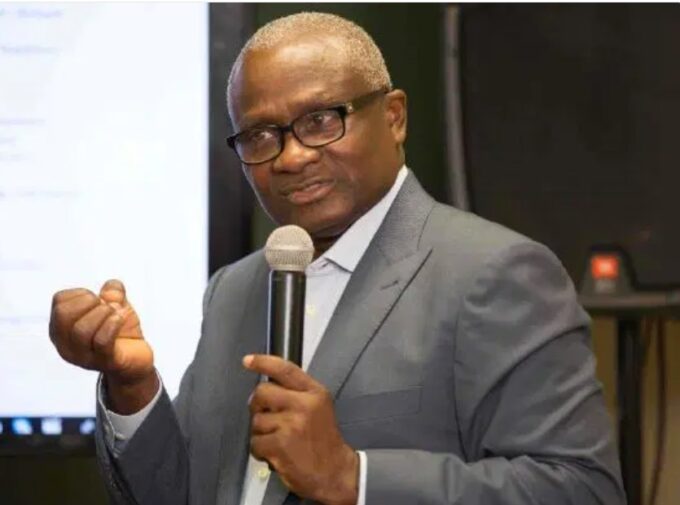
Speaking at the event, the Permanent Secretary, Lagos State Ministry of Health, Dr Dayo Lajide, described the survey as a major milestone in strengthening the state’s HIV response through credible data, evidence-based planning and targeted interventions.
She said the findings would provide an opportunity to assess progress since the 2018 Nigeria HIV/AIDS Indicator and Impact Survey and accelerate efforts towards achieving the UNAIDS 95-95-95 targets.
Lajide disclosed that the 2025 HIV Health Sector Report estimated that 192,911 people were living with HIV in Lagos State, with 129,977 receiving antiretroviral therapy, representing 65.7 per cent treatment coverage.
This leaves more than 60,000 people outside treatment, highlighting the urgency of expanding testing, diagnosis and linkage to care.
She also expressed concern over gaps in services for pregnant women and children, noting that prevention of mother-to-child transmission coverage increased from 45 per cent in 2018 to 57.6 per cent in 2025.
According to her, early infant diagnosis and paediatric HIV treatment remain critical areas requiring stronger attention.
The Permanent Secretary called for targeted interventions to improve case identification, treatment linkage, retention in care, early infant diagnosis and paediatric treatment.
She reaffirmed the state government’s commitment to sustaining HIV services through the procurement of rapid diagnostic kits and antiretroviral medicines, strengthening health systems and integrating HIV services into routine healthcare delivery.
Lajide also stressed the importance of domestic resource mobilisation and sustainable financing to ensure uninterrupted access to HIV prevention, testing and treatment services.
HIV testing remains Lagos’ biggest challenge
The survey findings indicate that identifying people who are unaware of their HIV status remains a major challenge in the state’s response.
The National AIDS, Viral Hepatitis and STIs Control Programme (NASCP), represented by Assistant Chief Scientific Officer, Sabina Aiki, said the survey provided reliable state-level evidence for measuring the reach and impact of HIV treatment services.
She commended the Lagos State Government and other stakeholders for supporting the exercise, urging them to translate the findings into concrete programme improvements.
Similarly, Health Assistant Coordinator in the Office of the US Embassy’s Department of State, Abuja, Omoshalewa Oyelaran, described the survey as an independent assessment of the HIV situation in Lagos, providing evidence of who is living with HIV, accessing treatment and achieving viral suppression.
She identified awareness of HIV status as a major priority, stressing that people who do not know their status cannot be linked to treatment.
The survey, which was conducted between November 2025 and February 2026, adopted the Population-Based HIV Impact Assessment approach and examined HIV prevalence, testing, treatment access and viral load suppression.
Presenting the survey summary, APIN/PHIS3 Survey Lead, Dr Ubong Okon, disclosed that 93.5 per cent of the 6,748 eligible households completed household interviews.
He said the assessment covered 205 enumeration areas and 6,450 households, with eligible individuals aged 15 to 64 years participating in the survey.
The exercise involved extensive fieldwork, laboratory processes, stakeholder coordination and quality assurance measures to ensure the reliability of the findings.
HIV prevalence higher among women
The survey also revealed differences in HIV prevalence between women and men in Lagos State.
According to the findings, HIV prevalence among adults aged 15 to 64 was 1.6 per cent among women and 0.8 per cent among men.
The findings provide additional evidence for designing targeted interventions that address differences in HIV vulnerability, testing and access to treatment.
APIN Public Health Initiatives Chief Executive Officer, Dr Jay Osi Samuels, described the survey as a major achievement, appreciating the United States Centers for Disease Control and Prevention (US CDC) for its support and confidence in the organisation.
He also commended the Lagos State Government and other partners for their cooperation, calling for more regular assessments to ensure timely access to strategic health information.
US CDC Country Deputy Director, Dr Gbolahan Cole, said the United States Government had made significant investments in the exercise, including the training of field personnel and strengthening of laboratory capacity.
He reaffirmed the agency’s commitment to working with Lagos State and its partners to address identified gaps through technical assistance and sustained collaboration.
Findings will shape HIV funding, planning
The Chief Executive Officer of the Lagos State AIDS Control Agency (LSACA), Dr Folakemi Animashaun, said the findings came at an important time as Lagos moves towards greater domestic ownership of its HIV response.
She explained that the survey would guide planning, budgeting, accountability and funding priorities, stressing that its real value would depend on how effectively the evidence was translated into implementation.
Animashaun’s position reflects the growing importance of sustainable domestic financing as governments and development partners seek to maintain essential HIV services and reduce dependence on external funding.
The Network of People Living with HIV/AIDS in Nigeria (NEPWHAN), represented by Strategy Manager, Inolode Emmanuel, also called for stronger community participation in the state’s HIV response.
He described antiretroviral therapy as more than a medical intervention, saying it represented hope, dignity, survival and the opportunity for people living with HIV to lead healthy lives.
He urged stakeholders to ensure that the voices and experiences of affected communities remained central to policy decisions and programme implementation.
In his vote of thanks, the Lagos State Ministry of Health Director of Disease Control, Dr Oladipupo Fisher, commended the state for its pioneering role in population-based HIV surveys.
He acknowledged the contributions of government institutions, development partners, technical experts, security agencies and field personnel, urging stakeholders to use the findings to strengthen interventions, reach people not yet enrolled in care and improve viral suppression.
Lagos targets stronger HIV response by 2030
The survey was supported by the United States Government and conducted through collaboration involving the Federal Ministry of Health and Social Welfare, NASCP, the National Agency for the Control of AIDS (NACA), the Nigeria Centre for Disease Control and Prevention (NCDC), Lagos State Government, APIN/PHIS3, civil society organisations and community representatives.
Stakeholders at the dissemination called for sustained collaboration and evidence-led interventions to close testing and treatment gaps, improve maternal and child HIV services and strengthen viral suppression.
With the goal of ending HIV as a public health threat by 2030, the findings provide Lagos State with an important evidence base for measuring progress and identifying populations and services requiring urgent attention.