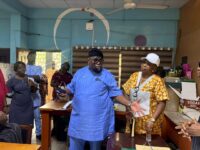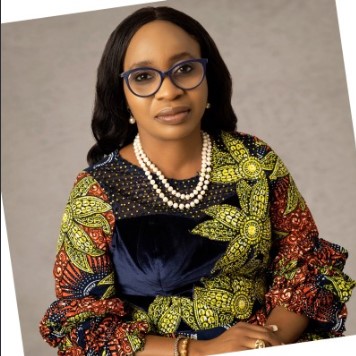
Recently, the United States House of Representatives voted to recommend a 100 per cent withdrawal of US aid to Nigeria over concerns about continued killings in the country. Although the proposal is yet to complete the legislative process and has not taken effect, it has raised concerns about the potential impact on Nigeria’s health sector, where US-funded programmes support HIV/AIDS, tuberculosis, malaria, maternal and child health, immunisation and laboratory services. In this interview with InsightWireNG, the National President of the Association of Medical Laboratory Scientists of Nigeria (AMLSN), Dr Casmier Ifeanyi, examines the possible implications of the proposed aid withdrawal, the risks to healthcare delivery, the link with insecurity, and why Nigeria must urgently strengthen domestic health financing and reduce its dependence on foreign assistance.
Excerpts:
What are the likely implications of the proposed 100 per cent withdrawal of United States aid to Nigeria?
The impact will be enormous and far-reaching. The United States provides a substantial proportion of international assistance to Nigeria, particularly in the health sector. If that support is withdrawn completely, the consequences will be devastating, not only for healthcare but also for the economy and social development.
For those of us in the health sector, we understand clearly what such a funding gap would mean. Many of the gains Nigeria has recorded in HIV/AIDS, tuberculosis, malaria control, maternal and child health, laboratory strengthening and disease surveillance have been possible because of sustained support from the United States.
If that support ends without adequate replacement, millions of Nigerians who depend on these programmes could be affected.
Which health programmes are likely to suffer the greatest impact?
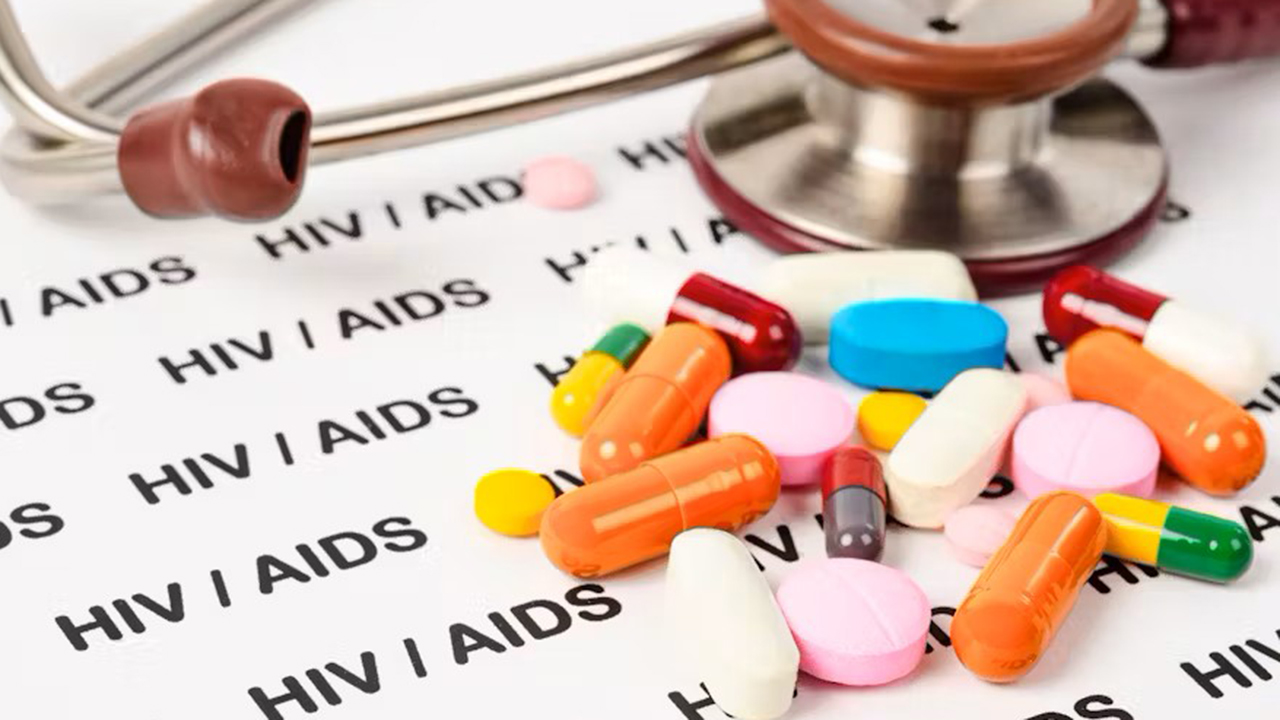
HIV/AIDS programmes will be among the hardest hit because they have received significant international support over the years. Tuberculosis control, malaria diagnosis and treatment, maternal and reproductive health services, childhood immunisation and several disease prevention programmes could also face serious setbacks.
These interventions have benefited greatly from initiatives such as PEPFAR and the Global Fund. Without alternative financing, Nigeria risks reversing years of progress in disease prevention, treatment and public health.
Could the withdrawal reverse the gains Nigeria has made in healthcare?
Absolutely. We have spent decades building these programmes. If funding is withdrawn abruptly, there could be interruptions in treatment, shortages of medicines and diagnostic supplies, weaker laboratory services and reduced disease surveillance.
That would ultimately translate into more illness, more deaths and greater pressure on an already stretched healthcare system.
Does the previous reduction in US support to the World Health Organization offer any lessons?
Certainly. When the United States withdrew funding from the World Health Organisation, it created financial challenges that affected some of WHO’s interventions globally, especially in Africa.
That experience shows how vulnerable global health programmes can become when major funding sources disappear. Nigeria should learn from that experience by strengthening domestic health financing and reducing dependence on external assistance.
What should Nigeria do if the aid withdrawal eventually takes effect?
Nigeria has enormous human and natural resources. The challenge is not necessarily the absence of resources but how those resources are managed.
Government must prioritise healthcare, improve transparency and accountability and ensure that resources allocated to the health sector are used efficiently.
We also need stronger domestic revenue mobilisation and greater investment in healthcare infrastructure, laboratories, medicines and health workers.
If we manage our resources responsibly, Nigeria has the capacity to finance a much larger share of its healthcare needs.
Should Nigeria appeal to the United States to reconsider its position?
Diplomatic engagement is always important and Nigeria should continue constructive dialogue with its development partners.
However, beyond seeking continued support, this situation should serve as a wake-up call for Nigeria to build a healthcare system that is resilient and less dependent on foreign aid.
Foreign assistance has helped save millions of lives, but long-term sustainability must come from stronger domestic investment.
How does insecurity relate to the proposed aid withdrawal?
The continued killings and insecurity across many parts of Nigeria are deeply troubling and deserve urgent attention.
It is encouraging that the international community continues to express concern about the situation. The loss of lives, regardless of religion or ethnicity, is a tragedy that requires decisive action.
Personally, I understand the consequences because my community has experienced violent attacks, displacement, and painful losses.
My concern is that ordinary Nigerians should not suffer twice—first from insecurity and then from the possible withdrawal of critical international support that helps sustain healthcare and development programmes.
Does Nigeria have the resources to fund its own healthcare system?
Yes. Nigeria is richly endowed with natural and human resources. We should not remain perpetually dependent on external aid.
The real issue is governance and effective management of available resources. If public funds are managed transparently and leakages are blocked, Nigeria can finance essential health programmes and strengthen its healthcare system.
We must ensure that resources meant for development are invested in healthcare, education and other critical sectors that directly improve people’s lives.
What reforms should government prioritise?
We need stronger accountability in public spending.
Healthcare institutions should be transparent in the management of public funds, while governments at all levels should prioritise investments that improve access to quality healthcare.
There should also be greater emphasis on preventive healthcare, laboratory capacity, local production of medical commodities and sustainable financing mechanisms.
These are the investments that will protect Nigeria from future external funding shocks.
What is your final message to policymakers?
This should be a turning point.
Nigeria must invest more in its healthcare system and ensure that available resources are used efficiently.
Foreign aid has contributed immensely to improving health outcomes in our country, but we cannot depend on it forever.
This is the time to strengthen our institutions, build sustainable health financing and create a resilient health system that can continue to serve Nigerians regardless of changes in international support.
If we act decisively now, this challenge can become an opportunity to build a stronger and more self-reliant healthcare system for future generations.