By Destiny Obinna
The World Health Organisation (WHO) has called for urgent and sustained international support to prevent further collapse of essential health services in Sudan, where prolonged conflict, mass displacement, disease outbreaks and shortages of medicines and electricity are putting millions of lives at risk.
The global health agency said about 21 million people across Sudan require health assistance, while 37 per cent of health facilities are non-functional, leaving vulnerable populations with limited access to medical care.
WHO warned that the situation is particularly critical in White Nile and North Kordofan states, where growing humanitarian needs, displacement and pressure on already overstretched health facilities are worsening the country’s health crisis.
The warning followed a WHO mission to Kosti in White Nile State and El Obeid, the capital of North Kordofan, from November 7 to 12, led by the WHO Representative in Sudan, Dr Abdinasir Abubakar.
“The health needs I witnessed in White Nile and North Kordofan are immense. We urgently need to scale up essential health services in peripheral localities and displacement camps,” Abubakar said.
“Despite enormous challenges, health workers and partners remain committed to serving the most vulnerable communities. We must match their commitment with sustained support.”
According to WHO, shortages of electricity, medicines and operational resources are undermining healthcare delivery in both states, with frequent power interruptions disrupting critical services in operating theatres, intensive care units, neonatal incubators, oxygen generation facilities, blood banks, dialysis centres and laboratories.
The agency said reliable electricity, including solar-powered systems, was urgently needed to sustain these lifesaving services and prevent avoidable deaths.
White Nile State currently hosts more than 216,000 internally displaced persons and nearly 455,000 refugees, representing approximately half of Sudan’s refugee population, placing enormous pressure on already strained health facilities.
In North Kordofan, prolonged conflict, displacement, food insecurity and economic hardship have further increased health and nutrition needs.

WHO said El Obeid hosts most of the more than 141,000 internally displaced people in Sheikan locality, adding to the burden on overstretched medical facilities.
Highlighting its interventions, the organisation said its support to Kosti Teaching Hospital reached more than 24,000 people between November 2025 and April 2026.
It also supported oxygen-cylinder refills, supplied three oxygen concentrators and installed solar power capacity in the hospital’s Emergency Department.
A separate solar power system installed at the Kosti Renal Dialysis Centre is helping to sustain emergency dialysis services during frequent electricity outages.
In El Obeid, WHO interventions between 2025 and 2026 contributed to approximately 344,500 health services, including 90,000 patient consultations.
The agency also provided more than 9,000 litres of fuel to maintain electricity at El Obeid Teaching Hospital, alongside medicines, medical supplies, capacity-building and operational support.
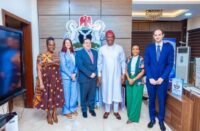
During the mission, Abubakar met with state government officials, health authorities, WHO teams and humanitarian partners to assess priority needs and ongoing humanitarian response and recovery interventions.
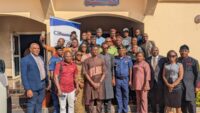
In Kosti, he opened a training workshop on Ebola virus disease preparedness, while in El Obeid, he participated in the monthly Health Cluster meeting with six health partners to strengthen coordination and the collective health response.
WHO called for urgent, sustained and flexible funding to maintain and expand essential health services, support frontline health workers, strengthen disease outbreak preparedness and response, and ensure reliable supplies of medicines, electricity and emergency referral services.
It also stressed the need for safe, sustained and unhindered humanitarian access, as well as the protection of health workers, patients and medical facilities.
The agency said it would continue working with health authorities, communities, humanitarian partners and donors to sustain lifesaving services and support the recovery of Sudan’s health system.