By Daniel Kudayah
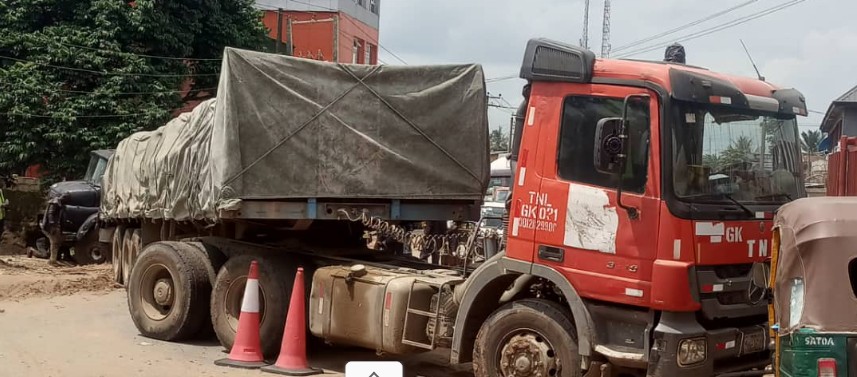
Truck owners operating around Tin Can Island Port have raised concerns over alleged multiple charges on export containers, saying they pay as much as N50,000 per container to move goods into the port.
The Chairman of the Association of Container Truck Owners of Nigeria (ACTOAN), Ridwan Bello, accused the Nigerian Ports Authority (NPA) and other agencies operating around the port corridor of making export operations more difficult and expensive.
Bello, in an interview with Vanguard, questioned the introduction of manifest requirements despite the electronic call-up system designed to control traffic and make access to the port easier.
He said the additional requirement had created more difficulties for truckers transporting export containers to the port.
According to him, truck owners are made to pay different charges at various stages of the export process, including an alleged N15,000 fee to drop each container.
He also claimed that some terminal operators charge as much as N10,000 to offload export containers.
Bello said the different payments could amount to about N50,000 per container, reducing the earnings of truck owners and making their businesses difficult to sustain.
He questioned how truck operators could remain in business under the situation, especially as the Federal Government was making efforts to increase non-oil exports and reduce dependence on oil revenue.
Nigeria’s non-oil exports reportedly rose to $6.1 billion in 2025 from $5.46 billion in 2024, showing the importance of efficient port operations to the country’s export trade.
The ACTOAN chairman called on the NPA to explain why the manifest requirement was necessary and clarify whether the electronic call-up system was still being properly used.
He also criticised trucking associations for failing to speak out against the alleged charges, urging them to address the problems facing their members.
Bello called on relevant authorities to review the charges and port procedures, warning that the alleged fees could discourage investment in the haulage business and affect Nigeria’s efforts to grow its export trade.