By Destiny Obinna
Escalating hostilities in Yemen have left at least 12,779 people dead or injured, displaced more than 347,000 others and pushed already overstretched hospitals to the brink, with health authorities warning of growing challenges in providing lifesaving emergency care.
The World Health Organsation (WHO) said the conflict, which escalated on August 6, 2026, had intensified across several parts of the country, with Marib, Lahj and Taiz among the worst-affected areas.
According to figures from Yemen’s Health Emergency Operations Centre, 12,779 conflict-related casualties had been recorded as of November 16, comprising 10,519 injuries and 2,260 deaths.
The agency said 1,024 casualties were recorded between November 8 and 16 alone, warning that the figures remained provisional and the actual toll could be higher because of underreporting.
The humanitarian crisis has also deepened, with the International Organization for Migration’s Displacement Tracking Matrix reporting that 347,321 people were displaced between August 1 and November 14. Of these, 18,780 were displaced between November 8 and 14, with Lahj and Taiz emerging as major destinations.
WHO said shifting frontlines through Lahj towards Aden were threatening referral routes and medical supply chains serving major hospitals, further undermining access to emergency healthcare.
In Taiz, severe shortages of fuel, surgical materials and anaesthesia medicines are disrupting emergency services, operating theatres and oxygen generation for intensive care units.
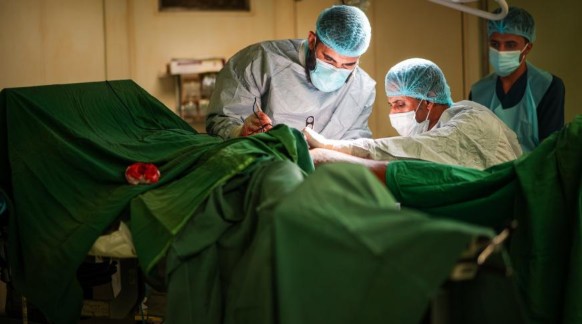
The pressure is particularly evident at Al-Mansoura General Surgical Hospital in Aden, where between 15 and 20 people with conflict-related injuries were arriving daily when WHO conducted its assessment.
Head of Orthopaedics at the hospital, Dr Mustafa Mohammed Munassar, said the growing number of casualties had overwhelmed the facility’s capacity and personnel.
“We receive between 15 and 20 people with war injuries every day, and our department performs five to six operations daily,” Munassar said.
“The number of wounded arriving at the hospital exceeds its capacity and the current staff.”
Beyond emergency operations, the hospital is struggling to provide the comprehensive care required by trauma patients, including diagnostic examinations, anaesthesia, medicines, nursing services and post-surgical monitoring.
The situation is further complicated by shortages of trained personnel and equipment, particularly in intensive care units.
Al-Mansoura Hospital has two intensive care units with six and four beds respectively, but staffing constraints have prevented the hospital from operating the smaller unit.
Head of the Intensive Care Unit, Dr Ahmed Mohammed Saeed Salem, said additional medical personnel were urgently needed to expand the facility’s capacity.
“We need medical staff – nurses and doctors – so that we can open the second care unit,” he said.
The hospital also lacks a CT scanner, forcing critically ill patients, some of whom cannot easily be moved, to be transferred elsewhere for diagnostic examinations.
Surgical departments also share a single C-arm imaging device, while shortages of laboratory supplies and essential medicines continue to hamper treatment.
In response, WHO, in collaboration with Yemen’s Ministry of Public Health and Population, is deploying specialised surgical teams to hospitals in Aden, Abyan and Taiz with funding from the United Nations Central Emergency Response Fund (CERF).
The intervention is aimed at strengthening local medical teams and expanding access to emergency trauma and surgical services for people affected by the conflict.
WHO is also providing fuel, medical supplies, intravenous fluids and equipment to help hospitals sustain essential services despite mounting pressure.
However, the organisation warned that sustained support was needed to address shortages of medical personnel, essential supplies and functional equipment.
The crisis is also threatening healthcare for patients whose conditions are unrelated to the conflict, as hospitals struggle to balance the increasing number of war casualties with routine emergencies and treatment for chronic illnesses.
Among patients receiving treatment at Al-Mansoura Hospital was 18-year-old Abdullah Waddah, who required emergency surgery following a road accident.
His case underscored the importance of maintaining essential medical services even as hospitals respond to the growing burden of conflict-related injuries.
“The surgery was successful and everything is fine, praise be to God,” he said. “Our brothers the nurses did their best.”
During a visit to the facility, WHO Representative in Yemen, Dr Syed Jaffar Hussain, met patients from Taiz and other conflict-affected communities, highlighting the growing burden on health facilities.
He said hospitals were being forced to treat people injured in the fighting while continuing to provide care for acute and chronic illnesses among surrounding communities and displaced populations.
Hussain warned that maintaining access to emergency surgery and critical care was essential as the conflict placed additional demands on an already fragile health system.
Through CERF funding, WHO is working with national health authorities and frontline health workers to keep lifesaving surgical services available to affected populations.
However, the organisation stressed that sustained investment and donor support would be critical to preventing further deterioration of healthcare services and ensuring hospitals could continue treating the wounded.
Thanking CERF for its intervention, Hussain appealed for continued assistance from international donors to sustain the emergency response.
“We will be able to save precious lives if we have the means,” he said.