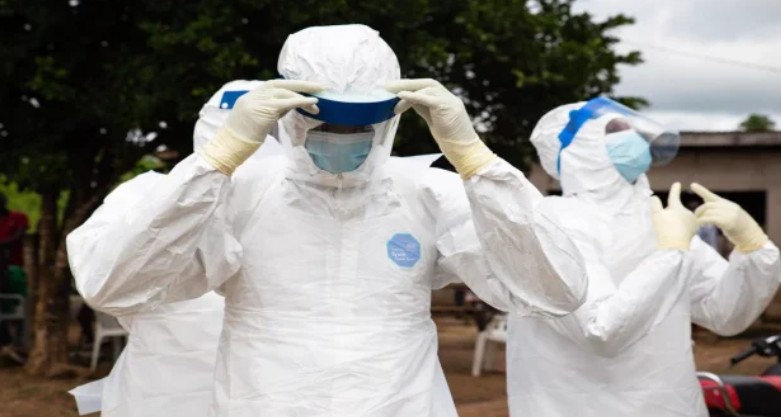
By Desire Uzochukwu
Conflict, displacement and weak health systems pose challenges as agency trains health workers and strengthens border surveillance
The World Health Organisation (WHO) has intensified preparedness for Bundibugyo virus disease (BVD) in Djibouti, Somalia and Sudan, identifying the three countries as priorities amid outbreaks in the Democratic Republic of the Congo (DRC) and Uganda and the confirmation of an imported case in Nairobi, Kenya.
Although no cases have been confirmed in the WHO Eastern Mediterranean Region, the agency warned that conflict, displacement and overstretched health systems could complicate efforts to detect and contain a potential outbreak.
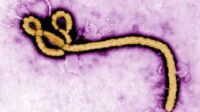
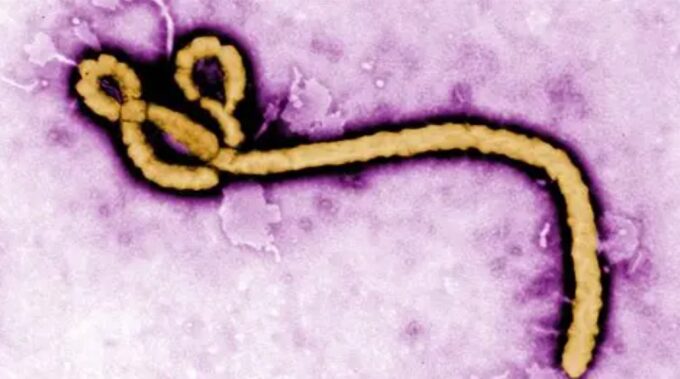
Bundibugyo virus disease is a severe illness caused by the Bundibugyo virus, a member of the same virus family as Ebola viruses.
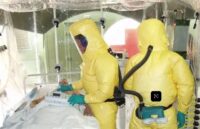
Between July and September 2026, WHO deployed multidisciplinary teams to Djibouti, Somalia and Sudan to assess preparedness and identify gaps in disease surveillance, laboratory testing, infection prevention and control, case management and emergency coordination.
The agency is working with national authorities to address the gaps through technical assistance, training, medical supplies and simulation exercises.
Somalia strengthens border surveillance
In Somalia, preparedness efforts have intensified following confirmation of the imported case in neighbouring Kenya.
WHO said federal and subnational readiness plans had been developed, a multisectoral task force established, and screening and cross-border information-sharing strengthened.
Isolation facilities have also been designated and assessed in Mogadishu, Garowe and Hargeisa.
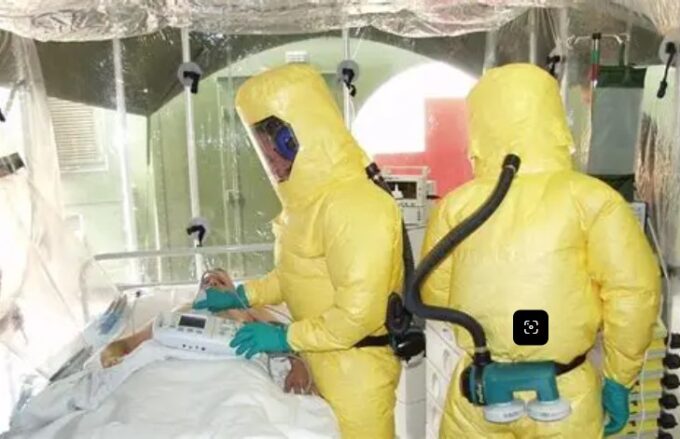
More than 150 health workers have received training in disease surveillance, case management, specimen collection, infection prevention and control, and water, sanitation and hygiene.
A simulation exercise involving more than 70 participants tested emergency coordination, cross-border collaboration and case notification procedures. Its findings informed a corrective action plan.
WHO has also supplied diagnostic kits and case-management materials and provided $200,000 from its Contingency Fund for Emergencies.
However, further assistance is needed to equip isolation centres, strengthen laboratory capacity and secure additional personal protective equipment.
Sudan battles preparedness challenges amid conflict
In Sudan, conflict, mass displacement and restricted access continue to complicate disease preparedness.
Following a WHO readiness mission, a national assessment was completed across all states, surveillance coverage expanded and emergency coordination mechanisms activated.
Fifty frontline health workers have been trained in Khartoum, while WHO has supplied laboratory kits, technical assistance and risk communication materials.
The agency identified stronger laboratory testing, improved frontline response capacity, infection prevention and control, and community engagement as key priorities.
Djibouti reviews emergency response plans
In Djibouti, WHO supported a national preparedness assessment and a review of response plans, including readiness at major points of entry.
Health workers have been trained in case detection, screening, triage, isolation, referral, waste management and infection prevention and control.
A simulation exercise helped identify gaps requiring further action, while experts deployed through the Global Outbreak Alert and Response Network supported surveillance activities.
Efforts are continuing to strengthen laboratory capacity, early detection and emergency response arrangements.
WHO identifies remaining gaps
Beyond the three priority countries, WHO has developed regional preparedness checklists, contingency planning tools and technical guidance while strengthening coordination between countries in the African and Eastern Mediterranean regions.
The agency has also provided laboratory supplies, guidance for travellers and community engagement resources to support national preparedness.
Despite these measures, WHO said gaps remained in early detection, laboratory confirmation, the availability of protective equipment and resources for emergency response.
Conflict, insecurity and restricted humanitarian access pose additional challenges, particularly in countries already grappling with major emergencies.
WHO said it would continue working with national authorities and partners to strengthen preparedness and ensure that suspected cases of Bundibugyo virus disease could be detected, investigated and managed promptly.