By Desire Uzochukwu
The Academy of Medical Sciences of Nigeria has urged Nigerians to avoid unnecessary physical contact, including handshakes and hugs, and adopt non-contact greetings as part of precautionary measures following the confirmation of an Ebola case in the Federal Capital Territory (FCT), Abuja.
In a public health advisory issued on Tuesday, the Academy endorsed the Federal Government’s response to the confirmed case involving a woman who recently arrived in Nigeria from Uganda. It commended the prompt isolation of the patient, the commencement of contact tracing and intensified disease surveillance.
The medical experts urged Nigerians to strengthen personal hygiene practices, including regular handwashing with soap and water or the use of alcohol-based hand sanitisers. They also advised the public to avoid contact with the body fluids of sick persons and refrain from handling the bodies of anyone suspected to have died from Ebola.
The advisory was jointly signed by the Academy’s President, Emeritus Professor Osato Giwa-Osagie; Foundation President, Professor Oladapo A. Ashiru; and a member of its Rapid Response Committee, Professor Boaz Adegboro.
The experts called on the Federal Government to extend heightened preparedness measures nationwide, drawing lessons from Nigeria’s successful containment of the 2014 Ebola outbreak and its response to the COVID-19 pandemic.
Academy Calls for Tighter Border Screening, Isolation Centres
The Academy recommended enhanced health screening at airports, seaports and land borders, particularly for travellers arriving from Ebola-affected countries.
It also called for the activation of isolation and treatment centres across the states to ensure that suspected cases can be identified and managed promptly.
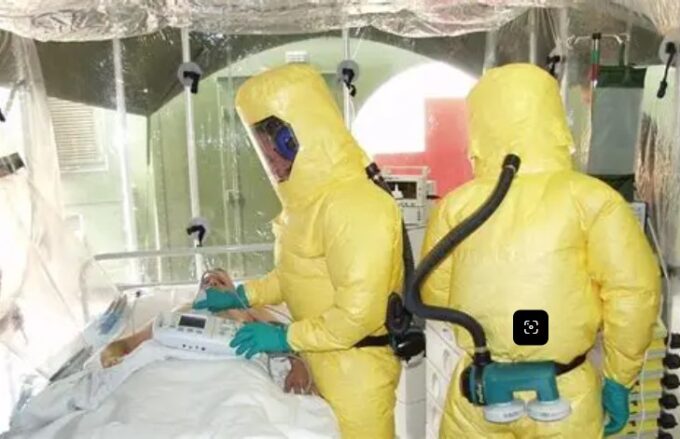
The experts stressed the need for strict infection prevention and control measures in both public and private health facilities, adequate supplies of personal protective equipment for healthcare workers and rigorous monitoring of identified contacts.
Healthcare professionals were urged to maintain a high index of suspicion, promptly isolate anyone suspected of having Ebola and immediately notify the relevant public health authorities.
Fever, Vomiting, Diarrhoea Among Symptoms to Watch For
The Academy identified fever, severe weakness, headache, vomiting and diarrhoea as symptoms requiring attention, particularly among people who may have been exposed to the virus.
It advised anyone who suspects they have been exposed to Ebola or develops symptoms to contact public health authorities before visiting a health facility. The precaution, it said, would help minimise the risk of exposing other people.
Addressing concerns about how the virus spreads, the experts explained that Ebola is not an airborne disease.
According to the advisory, transmission occurs through direct contact with the blood or other body fluids of an infected person who has developed symptoms, the body of someone who has died from the disease, or materials contaminated with such fluids.
The Academy further explained that an infected person cannot transmit Ebola before symptoms begin.
Nigerians Urged to Avoid Panic, Stigmatisation
The medical experts called for full cooperation with contact-tracing teams and warned against spreading rumours or stigmatising suspected cases.
They urged Nigerians to rely on verified information from official public health authorities and support efforts to contain the disease.
The Academy also directed members of the public to the Nigeria Centre for Disease Control and Prevention (NCDC) toll-free line, 6232, which the advisory said is available round the clock for public health information and assistance.