By Daniel Kudayah
The World Health Organisation (WHO) has reported significant progress in the global fight against neglected tropical diseases, with 63 countries eliminating at least one of the diseases as of June 2026.
The organisation, however, said about 1.41 billion people still required treatment and care for neglected tropical diseases in 2024, highlighting the need for stronger global health interventions.
WHO disclosed this in its latest report shared on X, noting that the number of people requiring treatment and care had declined by 36 per cent compared with the 2010 figure.
Despite the progress, the organisation warned that the global response remains uneven, with some diseases continuing to pose serious public health challenges, particularly in vulnerable communities.
It noted that dengue cases had reached record levels, while deaths from vector-borne neglected tropical diseases continued to rise.
The global health agency also expressed concern that the world was not on track to eradicate yaws, stressing that more efforts were needed to achieve global disease-control targets.
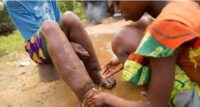
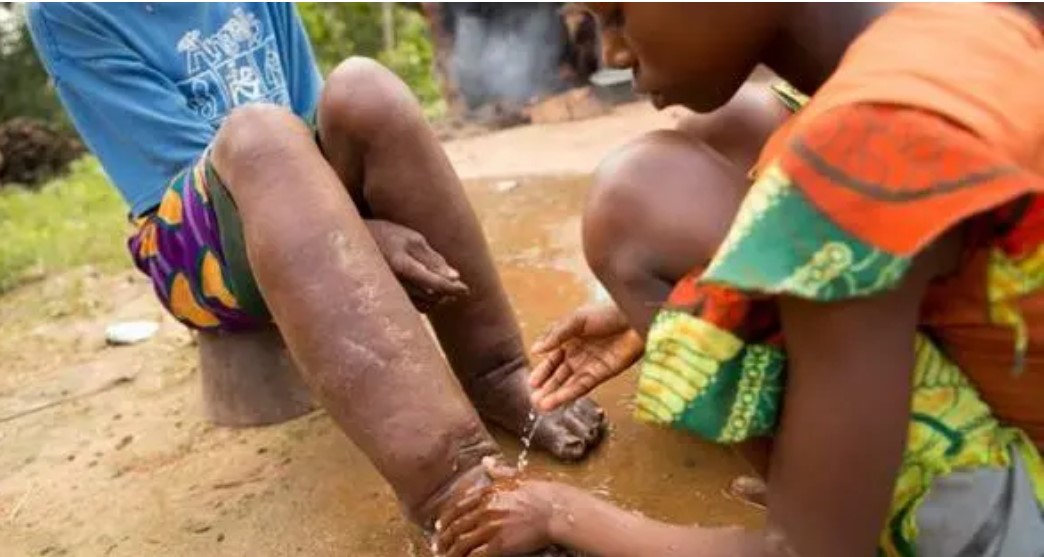
Neglected tropical diseases are a group of illnesses that affect mainly poor and vulnerable populations, particularly in tropical and subtropical regions. They can cause severe illness, disability and long-term health complications.
According to WHO, these diseases remain a major public health concern because affected communities often face limited access to healthcare services, preventive measures and treatment.
The organisation stressed the need for sustained investment, stronger healthcare systems, improved disease surveillance and wider access to essential medicines to accelerate progress.
It also called for greater collaboration among governments, health institutions and development partners to address existing gaps and ensure that more countries make progress towards eliminating neglected tropical diseases.