By Chidinma Oparaochaekwe
The Global Fund is supporting the training of 464 laboratory personnel across nine states to strengthen malaria and tuberculosis (TB) diagnosis, improve disease surveillance and enhance the quality of healthcare delivery in Nigeria.
The initiative, implemented through the National Malaria Elimination Programme (NMEP) and the Federal Ministry of Health and Social Welfare, is designed to build the capacity of laboratory personnel to provide accurate, reliable and quality-assured diagnosis of the two diseases.
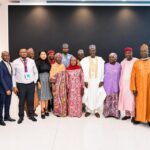
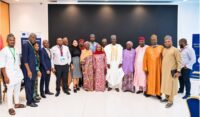
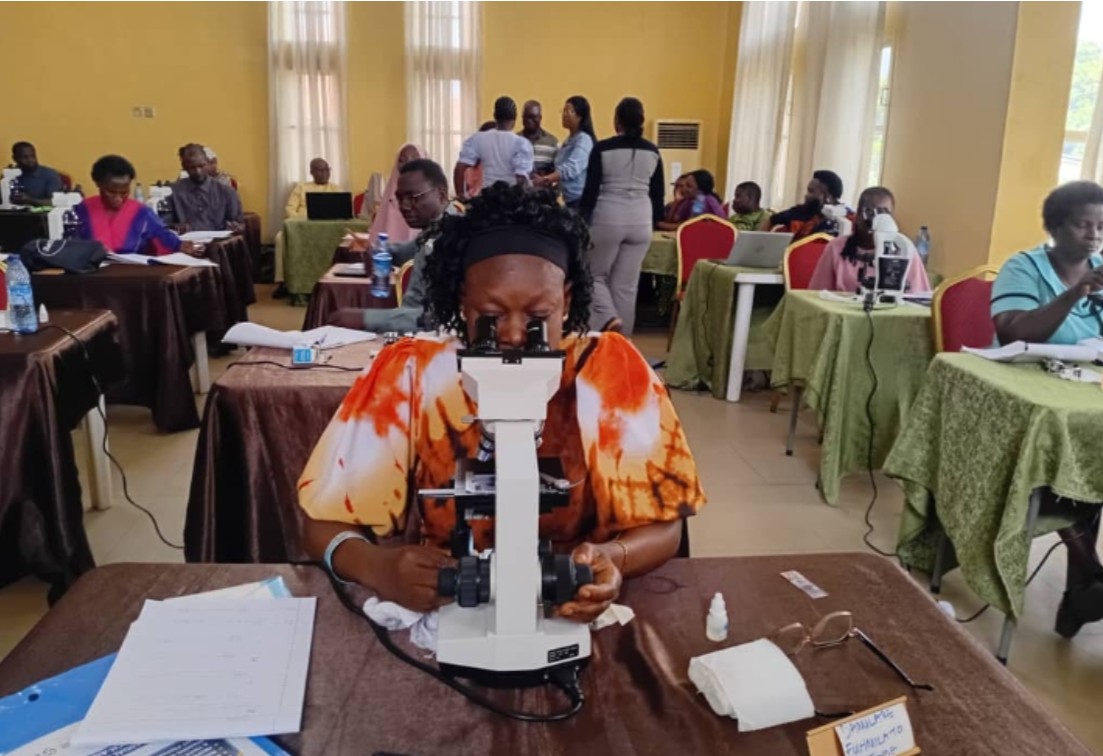
Described as the first integrated malaria and TB microscopy capacity-building programme of its scale in Nigeria, the training was inaugurated at Mokland Hotel, Ibara, GRA, Abeokuta, Ogun State, with government officials and other stakeholders in attendance.
Speaking at the opening ceremony, Consultant Medical Parasitologist at the College of Medicine, University of Lagos, Professor Wellington Oyibo, said accurate laboratory diagnosis was essential to identifying malaria infections and distinguishing the disease from other health conditions.
He explained that different malaria parasite species could produce varying clinical presentations and complications, citing Plasmodium malariae, which had been associated with kidney complications, including nephrotic syndrome.
Oyibo said although Plasmodium falciparum was the most common malaria parasite species, laboratory personnel needed to understand and identify other species to ensure appropriate diagnosis and management.
He noted that even uncomplicated malaria could disrupt patients’ daily activities, while severe cases could require hospitalisation.
“We are pleased that this opportunity has come to Ogun State.”
He explained that the initiative was initially considered as a pilot project but was expanded following the Global Fund’s support for a larger-scale implementation across participating states.
According to him, each supported state was expected to train at least 40 laboratory personnel, with the possibility of increasing the number depending on available capacity and the time allocated for the exercise.
He said the overall objective was to develop a critical mass of laboratory personnel capable of accurately detecting malaria parasites and supporting tuberculosis diagnosis and treatment monitoring through microscopy.
Oyibo explained that while rapid diagnostic tests and microscopy remained important tools for malaria diagnosis, molecular methods were used for the initial confirmation of tuberculosis, with microscopy retaining a role in treatment monitoring.
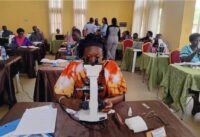
He said participants would be trained in diagnostic best practices, quality assurance, slide preparation and processing, microscopy, documentation and reporting.
The programme would also strengthen laboratory quality management systems in line with international standards, including ISO 15189, which specifies requirements for the quality and competence of medical laboratories.
Oyibo identified excellence, leadership and mentorship as the three major pillars of the training, explaining that participants were expected to become resource persons who would transfer their knowledge to colleagues in their respective facilities.
The professor stressed that accurate parasite density counting and standardised reporting were important for monitoring patients and assessing their response to treatment.
He further emphasised that laboratory workers must communicate effectively with clinicians and ensure that diagnostic results were delivered within appropriate turnaround times.
“The state needs you.”
The Ogun State Malaria Elimination Programme Manager, Mrs Olamide Adeyinka, identified inadequate testing and pressure from patients who insisted they had malaria despite negative results as some of the factors affecting malaria diagnosis and treatment.
She explained that some patients arrived at health facilities having already concluded that they had malaria and insisted on receiving antimalarial medicines.
According to her, some patients rejected negative test results, while health workers sometimes yielded to pressure because they did not want to be accused of lacking the knowledge to treat the illness.
She said this practice could lead to inappropriate treatment and distort the actual malaria burden in the state.
Adeyinka stressed that proper testing was necessary to guide treatment decisions and provide reliable information for planning malaria control interventions.
“We have always recorded a high malaria test positivity rate, but many of these cases are linked to the failure to conduct proper tests or patients refusing to accept test results.”
She disclosed that participants were drawn from all 20 local government areas of Ogun State, representing primary, secondary and tertiary health facilities, as well as faith-based and private institutions.
The Assistant Director, Medical Laboratory Services, Ogun State, Dr Simon Ijiezie, said the discipline associated with the training was intended to ensure that the investment made in laboratory personnel produced the desired results.
He said some laboratory personnel had previously provided inaccurate diagnoses, resulting in people without malaria taking antimalarial medicines unnecessarily.
Ijiezie explained that such practices contributed to economic waste and undermined efforts to improve malaria management.
Ijiezie appealed to the state government to provide the necessary equipment and materials to support laboratory services, particularly quality light microscopes.
He called for at least one good microscope for each facility represented in the current and previous batches, stressing that procurement should be properly guided to ensure quality.
“Without a good microscope, accurate diagnosis becomes difficult.”
The Assistant Director, Medical Laboratory Services, Ogun State Primary Health Care Board, Mr Atinsola Ayodeji Olalekan, said strengthening primary healthcare facilities would reduce pressure on higher levels of healthcare institutions.
Olalekan, who said he had also benefited from similar training, expressed confidence that the programme would help correct existing gaps and improve healthcare delivery, particularly in malaria diagnosis and management.
“We believe that when primary healthcare facilities get things right, there will be less pressure on higher levels of healthcare institutions.”
He said the training would mark the beginning of improved healthcare delivery and urged participants to put their knowledge into practice when they returned to their facilities.
“I am confident that this training will mark the beginning of better healthcare delivery, particularly in the area of malaria diagnosis and management.”
The Programme Manager for Tuberculosis in Ogun State, Dr Jimoh Babatunde, represented by the State TB Quality Assurance Officer, Mr Ogundimu Olusola, said the growing use of molecular diagnostic methods had reduced interest in microscopy among some laboratory personnel.
He, however, maintained that microscopy remained important in disease diagnosis and management, adding that the knowledge and skills of laboratory scientists were still essential to achieving successful treatment outcomes.
“With the introduction of molecular diagnostic methods, some people have gradually lost interest in microscopy.”
He expressed confidence that the training would produce 44 re-energised and better-equipped personnel who would contribute meaningfully to malaria diagnosis.
“I am confident that by the time this training is concluded, we will have 44 re-energised and better-equipped personnel who will contribute meaningfully to malaria diagnosis.”
The Assistant Director, Medical Laboratory Services, Hospital Management Board, Ogun State, Mrs Adebola Oke, appreciated the state government for allowing the training to take place in the state.
She also commended Oyibo for his commitment to the initiative, noting that she had been involved in the training programme for about 16 years and had witnessed his dedication over the years.
Oke urged participants to ensure that the knowledge acquired was shared with other laboratory personnel when they returned to their facilities.
“When you light a candle, you do not put it under a basket. You place it where it can illuminate the entire room.”
She assured participants of the state government’s readiness to provide the necessary support to enable them to carry out their responsibilities effectively.
The College Secretary, College of Medicine, University of Lagos, Dr Olayinka Obafemi-Moses, who represented the Provost, said proper diagnosis was important because even people with some medical knowledge could make wrong assumptions about their health.
Obafemi-Moses commended Oyibo and the leadership of the College of Medicine for their commitment to the training initiative.
He urged participants to cooperate with the facilitators, participate actively and remain open to new knowledge, regardless of their professional positions or titles.
“Do not allow your positions or professional titles to prevent you from learning.”
A Medical Laboratory Technician, Mrs Damilare Funmilola Yetunde, said the training had strengthened her microscopy skills, particularly her ability to identify Plasmodium malariae on a blood film.
She explained that she had previously relied largely on rapid diagnostic tests but had gained greater confidence in microscopy through the practical sessions.
“It’s not a program. It’s not a seminar. It’s a school.”
Another participant, Medical Laboratory Scientist, Mr Fashina Sunday Anthony, said the training had improved his knowledge and ability to distinguish malaria parasites from other blood components.
He described the practical sessions as demanding but beneficial, adding that the opportunity to work with quality microscopes had strengthened his confidence in carrying out laboratory investigations.
“I know that I have changed. Yes, I improved myself.”
The Principal Medical Laboratory Scientist at Babcock University Teaching Hospital, Ilesan-Remo, Dr Oluwadamilola Sadare, described the programme as worthwhile, noting that its intensive practical sessions offered a more rigorous learning experience.
She said the training had reinforced the need to improve laboratory procedures and strengthen communication between laboratory personnel and clinicians, particularly where treatment decisions depended on test results.
The programme is expected to strengthen the capacity of laboratory personnel across the nine participating states, improve the reliability of malaria and tuberculosis test results and support better treatment decisions through accurate diagnosis.